Holly-leaved Naiad Care (Najas marina)

Also known as: spiny naiad, holly-leaved water nymph, spiny water nymph
Holly-leaved Naiad

About Holly-leaved Naiad

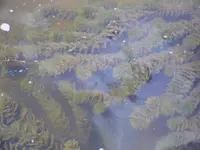
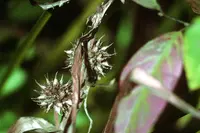
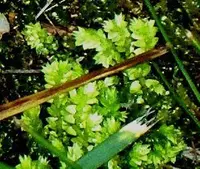
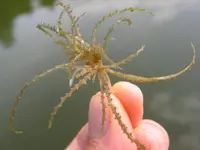
Holly-leaved naiad (Najas marina) is a submerged aquatic plant commonly found in lakes, ponds, canals, and slow-moving rivers. It forms dense underwater stands with slender, branching stems and narrow, sharply toothed leaves. These tough leaves give the plant a spiky, holly-like appearance that helps deter some herbivores. N. marina is native to parts of Europe, Asia, and Africa, but also occurs in North America, where it can behave as an invasive species in some waterways. It tolerates a wide range of water conditions, which generally makes it robust but sometimes challenging to manage. Those who want to know how to care for Holly-leaved Naiad should focus on stable water quality and adequate light.

Main Plant Requirements

Care Difficulty

Moderate Care

Light Preference

Full Sun

Water Requirements

Aquatic

Temperature Preference

Cool Climate

Hardiness Zone

4–11

Soil Texture

Sandy, Silty, Organic-rich

Soil pH

Slightly acidic (6.5–7.0), Neutral (7.0)

Soil Drainage

Waterlogged tolerant

Fertilization

Minimal (feed rarely)

Get Personalized Care Plan

Scan your plant to receive care tips personalized for your specific plant

Available on iOS and Android

How to Care for the Holly-leaved Naiad

This submerged aquatic plant depends on strong light levels for compact, healthy growth in clear water.

  • Provide 6–10 hours of direct sun on the water surface where possible; Holly-leaved Naiad thins out in dim, turbid conditions.
  • Accepts partial shade, but growth slows noticeably when direct sun drops below about 4 hours, especially in deeper or murky water.
  • Monitor in midsummer for overheating in very shallow, still ponds; extreme surface warming and intense afternoon sun can stress and bleach top foliage.

This species grows fully submerged, so watering relates to managing water depth, movement, and quality rather than soil moisture.

  • Keep plants under stable, standing or gently flowing freshwater at the intended depth; Najas marina declines quickly if water levels drop and stems are exposed to air.
  • Use substrates or sediments that do not produce anaerobic black sludge; foul, low-oxygen conditions and rotten smell indicate water quality and substrate problems rather than true overwatering.
  • Watch for pale, weak stems and sparse leaves as signs of nutrient-poor or very soft water, while sudden dieback can follow strong pollution, heavy treatments, or abrupt salinity changes.

This aquatic plant prefers temperate to warm water and reacts strongly to both cold snaps and extreme heat.

  • Best growth occurs around 68–77°F (20–25°C), with steady water temperatures supporting dense, leafy stems and reliable seasonal spread.
  • It tolerates roughly 50–86°F (10–30°C) but slows or becomes semi-dormant at the lower end and may suffer tip burn or stress at the upper end, especially in shallow water.
  • Avoid frost and ice cover; prolonged drops near or below 39°F (4°C) can cause significant dieback, with regrowth depending on surviving seeds or protected fragments.

This submersed aquatic plant relies on fully saturated water rather than air humidity, so room air humidity is largely irrelevant.

Najas marina grows rooted in saturated substrates under water, so focus on preparing a stable, oxygen-poor aquatic bed rather than terrestrial potting media.

  • Use fine sand or soft silt with some decomposed organic matter to create a smooth, easily penetrated underwater substrate.
  • Maintain slow water movement over the substrate so roots stay anchored while decaying debris does not accumulate excessively on the surface.
  • Aim for slightly alkaline conditions, around pH 7.0–8.0, which match many natural habitats of Najas marina.
  • Avoid coarse gravel-only beds or highly disturbed, shifting substrates that prevent firm root anchorage and encourage uprooting.

This species is suitable for container culture in outdoor ponds, tubs, and aquaria when the container setup mimics a shallow, stable aquatic bed.

  • Place a low, wide container inside the pond or tank so stems can spread horizontally without being forced upward by limited footprint.
  • Cap the substrate with a thin layer of heavier sand to reduce clouding and keep fine sediments from floating when water is disturbed.
  • Position the container away from strong pump outlets so water movement is gentle and does not uproot the flexible stems.

Najas marina usually grows in nutrient-rich water and needs little additional fertilization in aquaria or ponds.

  • Use a balanced aquatic fertilizer or complete NPK formulated for submerged plants if growth is pale or weak.
  • Dose at half strength every 2–4 weeks during active growth, following the lower end of label directions.
  • Reduce or stop dosing in winter or when growth slows noticeably to limit algae problems.
  • For Holly-leaved Naiad in soil-based ponds, light organic compost in the sediment is usually sufficient.

Najas marina responds well to light, frequent trimming to manage spread and maintain healthy growth in aquatic systems.

  • Prune during peak growth in spring and summer when plants recover fastest.
  • Use clean scissors or aquascaping tools to clip back long, tangled, or overcrowded stems.
  • Remove dead, yellowing, or damaged shoots to improve water flow and reduce decay in the tank or pond.
  • Shaping trims encourage denser stands and prevent the plant from shading slower-growing aquatic species.

This species is usually grown free-floating or lightly anchored, so care focuses on transplanting clumps rather than traditional repotting.

  • Transplant when stands become too dense, growth slows, or roots heavily mat the substrate or container edges.
  • Best timing is in spring or early summer, when water temperatures rise and growth is active.
  • Divide dense mats into smaller sections and replant or re-anchor them gently to limit root and stem breakage.
  • Handle underwater, keep roots continuously submerged, and avoid sudden temperature or water-chemistry changes to reduce stress.

Najas marina is commonly multiplied through stem fragments and sometimes by seed in naturalized settings.

  • Take healthy stem pieces 5–10 cm long during spring or summer when growth is fast.
  • Allow cuttings to float or anchor lightly in warm, clean, well-lit water with steady nutrients and low debris.
  • Ensure stable water temperature and moderate light to encourage quick rooting along the stem nodes.
  • In outdoor ponds, self-seeding may occur if flowering and seed set are allowed, often requiring no extra intervention.

In many climates this aquatic annual or short-lived perennial needs minimal direct winter care, especially in natural ponds.

  • In temperate outdoor ponds, plants often die back after frost while seeds or fragments overwinter and regrow.
  • In containers outdoors, lower the pot to the deepest ice-free zone so crowns avoid freezing solid.
  • For indoor aquaria, maintain stable cool water and normal lighting; no extra insulation or covering is usually necessary.

Care Tips

Control Water Flow

Place the plant in areas of the tank or pond with gentle water movement to keep leaves clean and oxygenated, but avoid strong currents that can uproot the fine root system.

Segmented Harvesting

Trim and remove mature upper shoots regularly instead of pulling whole plants to encourage dense regrowth and reduce the risk of decaying biomass lowering water quality.

Anchor With Substrate

Use a thin layer of fine sand or inert gravel over the rooting zone to help anchor stems and prevent them from floating up when fish or maintenance disturb the bottom.

Nutrient Load Management

Monitor fish stocking and feeding levels closely, since this species absorbs excess nutrients rapidly and benefits from moderate bioloads without heavy organic waste buildup.

Seasonal Density Adjustment

Thin out dense stands in warm months to maintain water circulation and light penetration, then allow slightly thicker growth heading into cooler periods to offer habitat and stability when growing Holly-leaved Naiad in outdoor ponds.

Common Pests and Diseases

Hydrilla leaf miner

This pest is a small fly whose larvae tunnel within the submerged leaves, creating translucent blotches and weakening the plant. Symptoms include pale mines, shredded leaf tissue, and slower growth in affected patches.

Solution

Remove and discard heavily damaged plant sections to reduce larvae numbers, and maintain moderate water movement to discourage adult egg‑laying on stagnant leaf clusters. In larger outdoor or pond settings, encourage natural predators such as aquatic insects and small fish, and avoid overfertilizing, which favors dense growth that shelters leaf miners.

Aquatic aphids

These insects form small colonies on tender shoot tips and upper leaves near the water surface, sucking sap and causing distortion and yellowing. Symptoms include sticky residues that may promote sooty films on nearby surfaces and reduced vigor of stems at the surface zone.

Solution

Rinse infested stems by gently swishing or spraying them with clean water to dislodge aphids, and manually remove heavily colonized shoots. Outdoor systems benefit from natural enemies such as lady beetles and lacewings, while indoor tanks or ponds should avoid chemical treatments and rely on mechanical removal and biological control using compatible fish species when possible.

Epiphytic algal overgrowth

This disease-like condition involves filamentous or slimy algae coating stems and leaves, blocking light and impairing photosynthesis. Symptoms include dull, dark, or fuzzy growth over the plant surface and progressive decline or shading out of the stand.

Solution

Reduce excess nutrients by limiting fish feeding, improving filtration, and performing regular partial water changes. Manually remove algal mats from N. marina stands, increase water circulation, and, if compatible with the system, introduce algae-grazing fish or invertebrates to keep algal growth in check.

Fungal stem blight

This disease develops when dense stands are stressed in warm, nutrient-rich, low-oxygen water, leading to brown or black lesions and softening of lower stems. Symptoms include collapsing patches, discolored tissue near the sediment, and fragmentation of weakened shoots.

Solution

Thin crowded stands to improve water movement, and avoid nutrient overload that promotes fungal growth and low oxygen conditions. Remove and discard decomposing or blighted stems, improve aeration or circulation, and maintain more stable water quality parameters to prevent recurrence.

Bacterial leaf spot and melt

This disease causes small translucent or brown water-soaked spots on leaves that can spread into larger patches, leading to rapid tissue breakdown or melt. Symptoms include disintegrating leaf blades, cloudy water from decaying tissue, and sudden thinning of affected areas.

Solution

Promptly remove decaying or spotted foliage to limit bacterial spread and organic load in the water, and increase partial water changes to improve clarity and oxygen levels. Avoid abrupt temperature or nutrient shifts, disinfect tools used between tanks or ponds, and maintain stable, moderate stocking and feeding levels to support plant resilience in Najas marina plant care.

Interesting Facts

Globally widespread aquatic

This submerged freshwater plant naturally occurs across Europe, Asia, Africa, and parts of North America, making it one of the most widely distributed aquatic macrophytes. Its broad range reflects a high tolerance for different water chemistries and temperatures.

Tolerance to salinity

Unlike many freshwater aquatics, this species can grow in slightly brackish waters, such as coastal lagoons and estuaries. This salinity tolerance allows it to occupy habitats where many other submerged plants cannot survive.

Spiny leaf adaptations

The narrow leaves carry small spine-like teeth along the margins, which make the plant feel rough or prickly under water. These spines are thought to reduce grazing by herbivorous fish and invertebrates and may help the plant resist water movement.

Botan icon

Did you know?

In several regions, dense growth of this species has become problematic, and it is considered invasive in some North American waters where it can form thick underwater mats that outcompete native vegetation and interfere with recreation and water flow.

FAQs about Holly-leaved Naiad

This submerged annual can grow very quickly in warm, nutrient-rich, still or slow-moving water, often doubling its biomass within weeks. Growth slows in cooler water, low light, or nutrient-poor conditions, and it dies back each winter.

Grow Healthy Plants with Botan Care

Keep your plants happy and healthy with plant identification, disease detection, and easy care guidance.

Botan plant care app — identify plants on mobile

Explore More Plants