glademallow Care (Napaea dioica)

glademallow

About glademallow

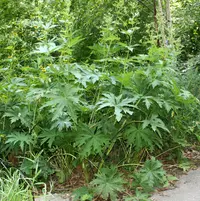
Glademallow, Napaea dioica, is a tall, herbaceous perennial in the mallow family. It forms strong clumps with upright stems and large, coarse, maple-like leaves. In summer it carries airy clusters of small white flowers that attract many pollinators and give the plant a light, clouded look above its solid foliage mass.

This species is native to moist prairies, stream banks, and lowlands in central North America. It suits larger gardens and naturalistic plantings because it can become quite tall and wide.

Glademallow is generally robust but needs consistent moisture and space, so site choice is important when planning how to care for glademallow. It grows best in full sun, with rich, deep, evenly moist soil that does not dry out for long periods.

Main Plant Requirements

Care Difficulty

Moderate Care

Light Preference

Full Sun

Water Requirements

Keep Soil Moist

Temperature Preference

Cold Hardy

Hardiness Zone

3–8

Soil Texture

Loamy, Silty, Organic-rich

Soil pH

Acidic (5.5–6.5), Slightly acidic (6.5–7.0)

Soil Drainage

Moist but well-drained

Fertilization

Minimal (feed rarely)

Get Personalized Care Plan

Scan your plant to receive care tips personalized for your specific plant

Available on iOS and Android

How to Care for the glademallow

This tall North American perennial grows best in open, consistently bright conditions.

  • Provide 6–8 hours of direct sun daily, ideally with morning sun and light afternoon shade in hotter regions to limit leaf scorch.
  • Tolerates light partial shade (around 3–4 hours of direct sun), but glademallow will grow taller, lean, and may flower less in too much shade.
  • Avoid dense shade or heavily filtered light; in low light stems weaken, while intense, all-day summer sun in dry soil can cause leaf burn and premature dieback.

This species is naturally adapted to moist riverbanks and bottomlands and prefers steady soil moisture.

  • Keep soil evenly moist, allowing only the top 2–3 cm to dry between soakings; in the ground, use rainfall plus deep, occasional watering during dry spells.
  • In spring and early summer, when Napaea dioica is actively growing, monitor more often and water whenever new growth begins to wilt slightly during the day.
  • In late summer and fall, reduce frequency as growth slows; yellowing, mushy stems suggest overwatering, while crisp, browning leaf edges indicate the soil has been drying too deeply.

This hardy perennial tolerates a wide climate range when planted outdoors in the ground.

  • Optimal growth occurs in cool to warm conditions around 65–80°F (18–27°C) during the main growing season, with consistent soil moisture.
  • Cold-hardy to about -20°F (-29°C) once established, the plant dies back to the crown in winter and re-sprouts in spring after sustained cold.
  • Handles short heat waves near 90–95°F (32–35°C) if soil stays moist, but prolonged high heat with dry soil stresses stems and can reduce flowering the following year.

This tall perennial prefers moderate ambient humidity but usually adapts well outdoors in most temperate regions.

  • Aim for 40–60% humidity; brief dips lower are usually tolerated without harm.
  • Dry, hot winds can crisp leaf edges and cause drooping, a sign of humidity stress in glademallow.
  • Increase local humidity by grouping plants and using organic mulch around the base to reduce moisture loss.

This species thrives in moist, deep, loamy soil that stays evenly damp without becoming stagnant.

  • Use a mix of garden loam, compost, and a small amount of coarse sand to create a nutrient-rich, friable structure.
  • Soil should drain freely yet retain moisture; water should infiltrate quickly rather than pooling on the surface.
  • Aim for slightly acidic to neutral pH, around 6.0–7.2, which supports nutrient availability for Napaea dioica.
  • Avoid compacted clay, shallow rocky soil, or sites that alternate between waterlogged and bone dry, as roots need steady air and moisture.

This species is generally not suitable for long-term container growing due to its large size and deep root system.

This native perennial usually needs minimal feeding in fertile garden soil, but light fertilization can support strong growth of glademallow in lean sites.

  • Use a balanced, slow-release fertilizer (for example 10-10-10) at half strength in early spring as new shoots emerge.
  • In very poor soils, supplement with a thin top-dressing of compost once per year during the growing season.
  • Avoid fertilizing in late fall or winter, when the plant is dormant and not actively using nutrients.
  • Do not overapply nitrogen, which can cause tall, weak growth prone to flopping.

Napaea dioica benefits from simple, seasonal pruning to keep the tall clumps tidy and healthy.

  • Cut back dead stems at ground level in late fall or very early spring using clean, sharp pruners.
  • Remove damaged, diseased, or broken stalks as soon as noticed to reduce pest and disease problems.
  • Thin out badly crowded stems at the base to improve air circulation and reduce flopping in windy sites.
  • Deadheading spent flower stalks can prevent unwanted self-seeding and direct energy back to the root system.

This tall prairie perennial is usually grown in the ground, so care focuses on thoughtful transplanting rather than frequent repotting.

  • Transplant young plants in early spring or early fall, when temperatures are mild and soil moisture is steady.
  • Look for signs such as slow top growth, roots circling a nursery pot, or the plant drying out quickly before transplanting.
  • Move plants with a generous root ball, disturbing roots as little as possible to reduce transplant shock.
  • Water deeply after planting, then keep soil evenly moist for several weeks until new growth shows successful establishment.

Napaea dioica is most commonly propagated from seed, with some additional options for gardeners managing established clumps.

  • Sow fresh seed outdoors in fall to allow natural cold stratification, which improves germination in spring.
  • For controlled sowing, cold-stratify seed in moist medium at 35–40°F for 6–8 weeks, then germinate in bright, cool conditions.
  • Divide only well-established clumps in early spring, taking large sections with substantial roots to maintain vigor.
  • Keep newly sown or divided plants evenly moist in deep, fertile soil to support strong root development.

This cold-hardy native typically needs little special winter care in most temperate climates.

  • The foliage dies back after frost; stems can be left standing for wildlife habitat, then cut to ground level in late winter.
  • Apply a 5–8 cm layer of organic mulch around the crown in late fall to moderate soil temperature and moisture.
  • Container-grown plants in cold regions should be sunk into the ground or moved to a sheltered, unheated but frost-free area.

Care Tips

Sturdy stem staking

Install tall, rigid stakes or a discreet wire frame early in the season to keep the 2–3 m shoots upright and prevent wind snap in exposed or riverside sites.

Rhizome spread control

Every 3–4 years, cut a narrow spade trench around the clump perimeter in early spring to limit rhizome spread and keep the colony from invading neighboring beds.

Mulch floodplain soils

Apply a 5–8 cm layer of coarse organic mulch around but not against the stems to stabilize moisture, reduce soil compaction from rain, and suppress aggressive weed competition.

Encourage self-seeding

If you want a naturalized stand, leave some seed heads to mature fully and drop in place, then mark the area to avoid disturbing emerging seedlings the following spring.

Monitor for lodging

After strong storms, inspect tall stems for leaning or partial uprooting and gently firm soil around the base and add extra staking to maintain vertical growth while growing glademallow.

Common Pests and Diseases

Japanese beetles

These insects chew irregular holes in the large leaves, often skeletonizing the foliage and giving clumps a ragged appearance in mid to late summer.

Solution

Hand-pick beetles in the early morning into soapy water, use row covers where practical, and reduce nearby favored host plants such as roses; in larger plantings, targeted use of neem-based products on foliage can reduce feeding while limiting impact on beneficial insects.

Flea beetles

These insects cause scattered shot-hole damage on young leaves, which can stunt growth of first-year plants and seedlings.

Solution

Float row covers over emerging plants in spring, keep nearby weeds down to reduce beetle reservoirs, and, if damage is heavy, use spot treatments with spinosad or pyrethrin on foliage in the evening to limit harm to pollinators.

Rust

This disease produces small yellow to orange pustules on leaf undersides and yellowing spots above, and heavy infection can lead to premature leaf drop.

Solution

Remove and dispose of affected leaves as soon as symptoms appear, avoid overhead watering, space plants to improve airflow, and if rust recurs yearly, apply a sulfur or copper-based fungicide labeled for ornamental perennials at the first sign of infection.

Powdery mildew

Symptoms include a white to gray powdery film on upper leaf surfaces, sometimes causing leaf distortion and reduced vigor in dense, shaded stands.

Solution

Thin crowded clumps, improve sun exposure and airflow, water at soil level rather than on foliage, and treat persistent cases with horticultural oil or potassium bicarbonate sprays applied according to label directions.

Leaf spots

This disease presents as scattered brown or purplish spots that may merge into larger blotches, leading to tattered or partially dead leaves later in the season.

Solution

Collect and discard fallen leaves in autumn to reduce inoculum, keep irrigation at the base of the plant, and in recurring problems use a preventive fungicide spray in spring when new growth emerges, rotating products to reduce resistance risk.

Interesting Facts

Only North American species

Napaea dioica is the sole species in its genus and the only member of the mallow family native to North America that forms such a large, herbaceous, colony-forming plant.

Impressive leaf size

Its leaves can reach more than 60 cm across on fertile, moist soils, giving the plant a coarse, almost tropical appearance despite being native to temperate river valleys.

Floodplain specialist

This species is naturally restricted to moist alluvial habitats such as river floodplains, low terraces, and wet prairies, where periodic flooding and rich sediments support its tall, robust growth.

Botan icon

Did you know?

Historical records from the 19th and early 20th centuries show that this plant was once much more widespread in the upper Mississippi River basin, but it has declined significantly due to channelization, drainage of wetlands, and conversion of river bottoms to agriculture, and is now considered uncommon or of conservation concern in several states.

FAQs about glademallow

This species forms large clumps from a stout crown but does not run by stolons or rhizomes. It can self-seed in suitable sites. Remove spent seedheads if you want to limit spread in smaller gardens.

Grow Healthy Plants with Botan Care

Keep your plants happy and healthy with plant identification, disease detection, and easy care guidance.

Botan plant care app — identify plants on mobile

Explore More Plants