Neolentinus cyathiformis Care

Neolentinus cyathiformis

About Neolentinus cyathiformis

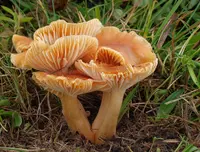
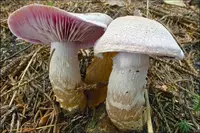
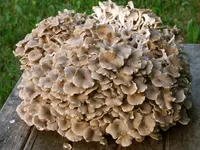
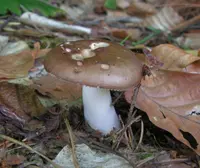
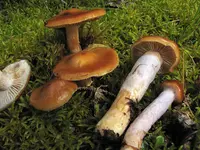
Neolentinus cyathiformis is a wood-decaying fungus rather than a traditional green plant. It typically forms thick, funnel-shaped caps with tough, fibrous flesh and prominent scales on the surface. The gills are often serrated, which helps distinguish it from many softer, edible mushrooms.

This species usually appears on dead or decaying conifer wood in forests and wooded areas, especially on logs and stumps. It is considered difficult to cultivate at home because it requires well-decayed wood, stable moisture, and clean conditions, so care for Neolentinus cyathiformis is mostly of interest to experienced mushroom growers rather than casual indoor gardeners.

Main Plant Requirements

Care Difficulty

Moderate Care

Light Preference

Partial Shade

Water Requirements

Keep Soil Moist

Temperature Preference

Warm Climate

Hardiness Zone

Unknown

Soil Texture

Loamy, Organic-rich

Soil pH

Acidic (5.5–6.5)

Soil Drainage

Moist but well-drained

Fertilization

Minimal (feed rarely)

Get Personalized Care Plan

Scan your plant to receive care tips personalized for your specific plant

Available on iOS and Android

How to Care for the Neolentinus cyathiformis

This wood-decaying fungus prefers stable, low to moderate light conditions rather than direct sun exposure.

  • Provide bright shade or dappled light, such as north-facing edges of woodpiles or shaded woodland, with at most 1–2 hours of weak morning sun.
  • Avoid direct midday or afternoon sun, which quickly dries fruiting wood and can halt or deform mushroom development.
  • In summer, increase shade and moisture retention; in autumn, slightly more open, filtered light can support sporocarp formation for Neolentinus cyathiformis.

Moisture management focuses on keeping the fruiting wood consistently damp, not waterlogged.

  • Maintain evenly moist conditions in the substrate or log; surface should feel damp to the touch but not glossy with standing water.
  • Allow the outer 2–5 mm of wood or substrate to lose surface sheen before rewetting, then soak or hose until moisture penetrates without pooling.
  • In hot, dry weather, mist 1–2 times daily and watch for shrinking, leathery caps as a sign of low moisture; soft, water-soaked tissue indicates excess water.

This fungus fruits best in cool to mild conditions and is sensitive to hard freezes and extreme heat.

  • Aim for a general growth range of 50–77°F (10–25°C), with many fruitings occurring around 59–68°F (15–20°C) in moist, shaded sites.
  • Short dips to 41°F (5°C) are usually tolerated if the substrate stays moist, but repeated frosts below 32°F (0°C) can damage developing fruiting bodies.
  • Prolonged heat above 82–86°F (28–30°C), especially with low humidity, often stops fruiting; increase shading and surface moisture during hot spells.

This wood-decaying fungus tolerates a wide humidity range but fruits best in consistently moist air.

  • Aim for 70–90% humidity around developing fruiting bodies, especially in sheltered or cultivation setups.
  • Dry air can cause caps to crack and margins to curl; prolonged low humidity may stop new fruiting.
  • Increase humidity by misting nearby surfaces, using a humidifier, or placing trays of water close without wetting the wood directly.

Neolentinus cyathiformis naturally grows on wood rather than in soil, so substrate structure is more important than mineral content.

  • Use a coarse, airy substrate based on hardwood chips, sawdust, or decaying logs, optionally blended with a small amount of compost.
  • Ensure rapid drainage so water runs through quickly; the substrate should stay moist but never waterlogged or anaerobic.
  • Maintain a slightly acidic to neutral environment (around pH 5.5–7) by avoiding excessive lime or strongly alkaline amendments.
  • Improve aeration by mixing in chunky bark or larger wood chips, and avoid compacted, fine-textured garden soil that holds stagnant moisture.

This species can be grown in containers when colonizing wood-based substrates rather than conventional potting soil.

  • Choose a deep, stable tub or bucket that can hold substantial wood pieces without tipping as the fungus fruits on one side.
  • Drill multiple side and bottom holes so excess water drains quickly and fresh air reaches the colonized wood core.
  • Use opaque or thick-walled containers to reduce light heating and slow surface drying of the wood substrate during dry weather.

This wood-decaying fungus gains most nutrients from its substrate and usually needs no supplemental feeding in cultivation.

As a fungus forming seasonal fruiting bodies, this species does not require structural pruning in the way vascular plants do.

When cultivated, this saprophytic fungus is managed by renewing its substrate rather than by classic repotting.

  • Replace the colonized wood or sawdust block when fruiting declines or becomes contaminated, usually after 1–2 flushes.
  • Time any move or substrate refresh for after a fruiting cycle, when mycelial growth is still active but no new caps are forming.
  • Handle the mycelium gently, keeping it attached to its main substrate block to limit tearing and stress.
  • Place the block into fresh, slightly larger containers or bags with new sterilized woody substrate tightly packed around it.

Propagation of Neolentinus cyathiformis is usually done by spore work or mycelial culture, which is technically demanding for beginners.

In nature this fungus tolerates normal outdoor winter conditions in its range and usually needs no specific winter care in the landscape.

Care Tips

Use hardwood blocks

Establish the fungus on untreated, freshly cut hardwood blocks or well-soaked logs rather than loose chips, as solid wood slows contamination and supports more stable, long-term fruiting.

Pre-soak substrate

Before inoculation, soak logs or blocks in clean water for 12–24 hours, then drain thoroughly so the wood is fully hydrated but not dripping, which helps the mycelium colonize faster and outcompete molds when growing Neolentinus cyathiformis.

Drill-and-plug inoculation

Drill evenly spaced holes (about 10–15 cm apart in a diamond pattern) and use plug spawn or tightly packed sawdust spawn, sealing each hole with melted cheese wax to reduce moisture loss and block competing fungi.

Controlled fruiting shock

Once the wood is fully colonized, trigger fruiting by soaking the log in cool, clean water for 12–24 hours, then stand it upright in a shaded, well-ventilated area to encourage uniform cluster formation.

Log rotation schedule

Rotate fruiting logs every few weeks between a resting area and a fruiting position so each log has recovery time, which maintains productivity and reduces exhaustion of the wood resource when caring for Neolentinus cyathiformis.

Common Pests and Diseases

Wood-boring beetles

These insects tunnel through the tough, woody fruiting bodies and the underlying dead wood, leaving small round exit holes and powdery frass. Symptoms include weakened brackets that break easily and a pitted or riddled cap surface.

Solution

Cut away and discard heavily bored brackets, then remove or burn highly infested dead wood to break the life cycle. For managed sites such as outdoor cultivation logs, store wood off the ground, keep it dry between fruiting cycles, and use tight mesh or physical barriers during peak beetle activity to reduce new attacks.

Fungus gnat larvae

These insects develop in very damp, organic substrates and can graze on young, forming fungal tissue, leading to distorted or aborted fruiting bodies. Symptoms include small black adult gnats flying near the substrate and pitted or chewed primordia on the brackets.

Solution

Allow the substrate surface to dry slightly between waterings, improve drainage, and remove any standing water around the growing site. Use yellow sticky traps to reduce adult populations and, if needed, apply a biological control such as Bacillus thuringiensis israelensis (Bti) to the substrate according to label directions.

Green mold (Trichoderma)

This disease appears as fast-spreading, bright to dark green patches on colonized wood or culture blocks, often outcompeting the slower-growing Neolentinus mycelium. Symptoms include stalled or deformed fruiting and a strong earthy or musty odor from the contaminated substrate.

Solution

Promptly remove and dispose of heavily contaminated substrate or blocks to prevent spore spread. For future cycles, use clean tools, pasteurized or well-seasoned wood, good air movement, and moderate moisture levels, and separate any contaminated pieces from healthy culture at the first sign of green patches to support more reliable Neolentinus cyathiformis care instructions.

Bacterial blotch

This disease causes water-soaked, greasy-looking spots or streaks on caps and stems, which may turn yellowish or brown and feel slimy in very wet conditions. Symptoms include localized collapse of affected tissue and a sour or unpleasant smell in severe cases.

Solution

Reduce overhead watering and avoid prolonged surface wetness on fruiting bodies by using gentler, indirect misting and stronger air circulation. Remove and discard affected brackets, clean nearby surfaces with a mild disinfectant, and keep humidity high but not condensing on the caps to limit bacterial spread.

Interesting Facts

Wood-decaying specialist

This fungus is a brown-rot species that primarily decomposes conifer wood, breaking down cellulose and hemicellulose while leaving much of the brownish lignin, which contributes to the crumbly texture of decayed logs.

Strongly toothed gills

Its gills are characteristically jagged or saw-toothed along the edges, a micro-morphological feature that helps distinguish it from other similar wood-inhabiting mushrooms.

Cold-season fruiting

In many temperate regions it tends to fruit in late fall to early winter, sometimes appearing after frosts when many other fleshy mushrooms have already disappeared.

FAQs about Neolentinus cyathiformis

This bracket fungus is considered inedible. The flesh is very tough and corky, and it is not used as food. Identification mistakes with wood-decaying mushrooms can be dangerous, so avoid consumption entirely.

Grow Healthy Plants with Botan Care

Keep your plants happy and healthy with plant identification, disease detection, and easy care guidance.

Botan plant care app — identify plants on mobile

Explore More Plants