

Control Rhizome Spread
Install a bottomless pond basket or flexible root barrier when planting to keep rhizomes from overrunning small ponds and to make future thinning easier.

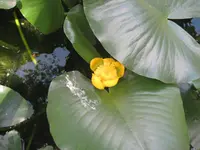
Spatterdock (Nuphar advena) is a hardy aquatic perennial commonly found in ponds, lakes, and slow-moving streams. It produces large, heart-shaped floating leaves and bright yellow, globe-shaped flowers.
This species forms dense colonies that provide shade and habitat for aquatic life. Its strong rhizomes anchor in the mud, allowing the plant to tolerate moving water and fluctuating water levels.
In the wild it is native to much of North America. Gardeners who care for spatterdock usually grow it in lined ponds or naturalized water gardens.
It prefers full sun, still or slow water, and nutrient-rich, muddy substrates, which makes it relatively easy to maintain in suitable aquatic conditions.

Care Difficulty
Moderate Care

Light Preference
Full Sun

Water Requirements
Aquatic

Temperature Preference
Cold Hardy

Hardiness Zone
4–10

Soil Texture
Loamy, Silty, Organic-rich

Soil pH
Acidic (5.5–6.5), Slightly acidic (6.5–7.0)

Soil Drainage
Waterlogged tolerant

Fertilization
Minimal (feed rarely)
Scan your plant to receive care tips personalized for your specific plant
Available on iOS and Android
This hardy aquatic plant prefers strong light but tolerates some shade in natural ponds and water gardens.
Nuphar advena grows as a true aquatic and depends on stable, standing water rather than typical soil watering.
This species is cold-hardy and adapted to outdoor ponds with a wide annual temperature range.
This aquatic species does not depend on ambient air humidity for healthy growth.
This species grows best rooted in saturated, heavy, organic-rich substrate under water.
This species can be grown in large, water-filled containers if they are deep and stable enough.
This hardy aquatic native usually needs minimal feeding in natural ponds, but light fertilization supports stronger growth in contained water gardens.
Pruning Nuphar advena focuses on sanitation and controlling spread rather than shaping the plant.
Transplanting this aquatic rhizome is mainly needed in container ponds or when stands become too dense in naturalistic plantings.
Nuphar advena is most reliably propagated by rhizome division, with seed used mainly for restoration or breeding work.
This species is cold hardy across much of its native range and usually needs only basic winter management in ponds.

Plant Health Check
Not sure what's wrong with your plant? Check your plant's health inside the app.
This species produces thick, cup-shaped yellow flowers that often stay partially closed, exposing only the central reproductive structures and creating a waxy, sculpted look very different from white waterlilies.
Nuphar advena is specialized for quiet, slow-moving freshwater like ponds, marsh edges, and backwaters of rivers, where its long, flexible petioles and floating leaves tolerate mild current without tearing.
Young leaves initially form underwater and are thin and flexible, then later leaves reach the surface and become tougher and more leathery, an adaptation that allows the plant to establish even when water levels fluctuate.

Fossil and historical evidence indicate that closely related yellow pond-lilies, including Nuphar advena, have persisted in North American freshwater habitats since at least the late Pleistocene, making them part of very long-standing aquatic plant communities.
Lack of flowers usually comes from insufficient sun, water depth that is too deep or too shallow, or poor nutrient levels in the sediment. Crowding from rhizomes or competition with other aquatic plants can also reduce flowering.
Keep your plants happy and healthy with plant identification, disease detection, and easy care guidance.

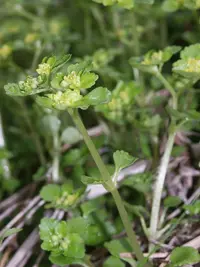
Opposite-leaved Golden Saxifrage
Chrysosplenium oppositifolium
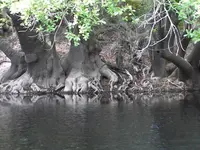
Ogeechee tupelo
Nyssa ogeche
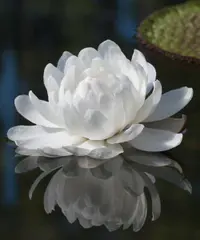
Amazon water lily
Victoria amazonica
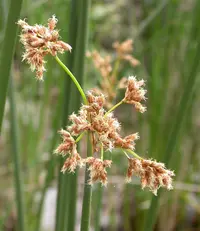
California bulrush
Schoenoplectus californicus
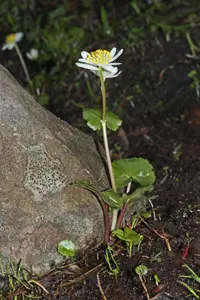
white marsh marigold
Caltha leptosepala
Alternate-leaved Golden-saxifrage
Chrysosplenium alternifolium
chairmaker's bulrush
Schoenoplectus americanus
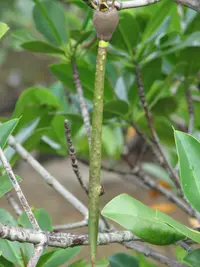
mangrove
Rhizophora mucronata