chairmaker's bulrush Care (Schoenoplectus americanus)

Also known as: Olney's bulrush, American bulrush, Swordgrass, Threesquare bulrush, American three-square bulrush, Olney's three-square bulrush
chairmaker's bulrush

About chairmaker's bulrush

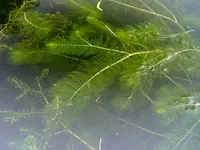
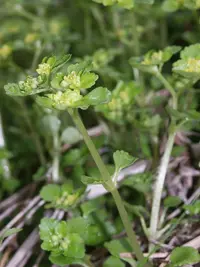
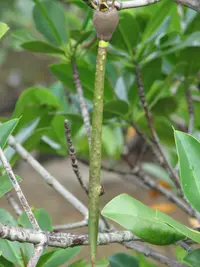
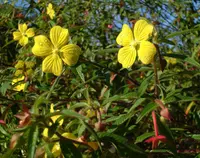
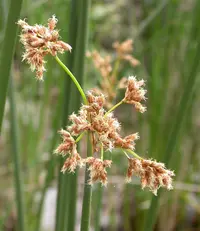
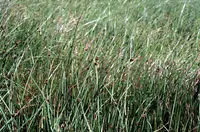
Chairmaker's bulrush, Schoenoplectus americanus, is a perennial wetland sedge-like plant native to North America’s marshes, shorelines, and brackish tidal areas. It forms dense clumps of upright, cylindrical green stems with small clusters of brownish flowers near the tips. The plant spreads by rhizomes, creating stabilizing mats that help control erosion in shallow water and saturated soils. It is valued in restoration projects and naturalistic ponds for its toughness and wildlife support. This species prefers full sun, consistently wet or shallowly flooded conditions, and mucky or sandy soils. For those looking to learn how to care for chairmaker's bulrush, its main needs are stable moisture and enough space to spread.

Main Plant Requirements

Care Difficulty

Moderate Care

Light Preference

Full Sun

Water Requirements

Aquatic

Temperature Preference

Cold Hardy

Hardiness Zone

4–10

Soil Texture

Sandy, Loamy, Silty

Soil pH

Acidic (5.5–6.5), Slightly acidic (6.5–7.0)

Soil Drainage

Waterlogged tolerant

Fertilization

Minimal (feed rarely)

Get Personalized Care Plan

Scan your plant to receive care tips personalized for your specific plant

Available on iOS and Android

How to Care for the chairmaker's bulrush

This wetland sedge prefers strong light and copes well with full sun in most temperate climates.

  • Provide 6–8 hours of direct sun daily; in hot inland areas, favor morning sun with light afternoon shade to limit leaf scorch.
  • Allow partial shade (3–4 hours direct sun) where summers are very hot; growth may be slightly taller and softer in lower light.
  • Watch for pale, floppy stems as a sign of insufficient light, and brown, crisp tips as an indication of intense, reflected sun, especially for chairmaker's bulrush near hard surfaces.

This species is adapted to saturated soils and shallow standing water rather than intermittently dry conditions.

  • Maintain soil consistently saturated; in ponds or shorelines, allow the crown to sit in 2–15 cm of water without exposing the root zone to drying.
  • In mucky beds, do not let the surface crust and crack; if the top 1–2 cm begin to lighten in color or gap from the container edge, increase flooding or irrigation.
  • Yellowing, soft stems and foul-smelling soil suggest poorly aerated, stagnant conditions, while browning, collapsing stems indicate Schoenoplectus americanus has been allowed to dry too much.

This native wetland plant is cold-hardy yet grows most actively in mild to warm conditions.

  • Aim for peak growth at 65–80°F (18–27°C); stems extend fastest once water and soil have warmed in late spring and early summer.
  • Tolerates winter lows near 10–15°F (-12 to -9°C) when roots are in the ground or submerged; top growth often dies back but rhizomes survive and resprout.
  • Handles summer heat up to about 90–95°F (32–35°C) if water remains cool and abundant, but extended extremes above this or rapid freeze–thaw cycles can damage emerging shoots.

This wetland species prefers very high humidity similar to marshy conditions.

  • Aim for ambient humidity above 70–80% and keep root zone constantly saturated or shallowly flooded.
  • In dry air, stems may brown at the tips and leaf sheaths may shrivel, signaling humidity stress.
  • Use water trays, bog planters, or place containers in standing water outdoors to maintain high moisture and humidity around chairmaker's bulrush.

Schoenoplectus americanus is adapted to saturated, organic-rich wetland soils.

  • Use a heavy loam or clay-loam with high organic matter, such as garden soil mixed with 30–40% compost.
  • Soil should hold water and stay saturated or shallowly flooded, not free-draining like typical potting mixes.
  • A pH of 6.0–7.5 suits this species; avoid strongly acidic or alkaline sites that limit nutrient availability.
  • In ponds or containers, cap the soil with a thin layer of sand to reduce float and keep the mix stable under water.

This species is suitable for containers, especially as a marginal or pond-edge plant.

  • Choose a wide, heavy container to prevent tipping as tall shoots become wind-exposed and top-heavy.
  • Select a pot without drainage holes or place it in a larger water-tight outer container to maintain flooded conditions.
  • Allow 25–30 cm of soil depth so rhizomes can spread and anchor the plant firmly in the container.

This native wetland species usually needs minimal feeding when grown in nutrient-rich, muddy or aquatic substrates.

  • Where growth is weak, apply a diluted balanced NPK fertilizer (around 1/4–1/2 strength) in spring as new shoots emerge.
  • Use a slow-release aquatic or marsh-plant fertilizer tablet pushed into the soil near the root zone.
  • Feed at most every 6–8 weeks during the growing season if water and soil are low in nutrients.
  • Stop feeding chairmaker's bulrush in late fall and do not fertilize in winter dormancy.

Pruning for Schoenoplectus americanus focuses on cleanliness and maintaining healthy new shoots rather than shaping.

  • Cut dead, yellowing, or damaged stems at the base with clean, sharp shears throughout the growing season.
  • In late fall or very early spring, remove old, broken, or crowded stems to encourage strong new growth.
  • Avoid heavy cutting of green, healthy stems, as this reduces photosynthesis and weakens the clump.
  • Disinfect tools before and after use to reduce the risk of spreading fungal or bacterial problems.

Transplanting is mainly needed when clumps outgrow their space or container and water movement or access becomes restricted.

  • Look for dense, congested rhizomes, roots circling a pot, or declining vigor as signals to divide and move the plant.
  • Plan transplanting for early spring, just before strong new growth, allowing roots a full season to re-establish.
  • For containers, shift into a wider, shallow aquatic pot every 2–3 years, keeping heavy, loamy soil around the roots.
  • Move divisions gently, keep roots continuously moist, and water thoroughly after planting to limit transplant shock.

Propagation of Schoenoplectus americanus is most reliable by division, with seed used mainly for restoration or larger projects.

  • Divide established clumps in early spring, lifting and cutting rhizomes into sections with several healthy shoots each.
  • Replant divisions at the same depth in saturated soil or shallow water and keep consistently wet while they establish.
  • For seed, sow fresh seed on the soil surface in trays kept wet and exposed to light, as many wetland seeds need light to germinate.
  • Maintain cool to mild temperatures and avoid drying out the substrate to support strong root and shoot development.

This species is cold hardy in most temperate climates and usually needs little special winter attention.

  • In ponds or wetlands, allow stems to brown naturally, then cut them back close to the base in late winter.
  • Where severe freezing occurs, leave some standing stems to trap insulating snow around the root zone.
  • For container plants in very cold regions, sink pots into the ground or move them to an unheated but frost-free space.

Care Tips

Water Level Management

In containers or lined bog areas, mark a reference line inside the pot and maintain the water level just above the soil surface during the growing season, then gradually lower it by 2–5 cm in late fall to reduce winter rot risk.

Rhizome Containment

Use a wide, shallow, no-drain pot or a buried root barrier to confine the creeping rhizomes, which prevents unwanted spread into nearby planting beds or natural shorelines.

Stand Renewal

Every 2–3 years, lift and divide crowded clumps in early spring, replanting only the youngest, firm rhizome sections to keep stems dense, upright, and less prone to lodging.

Erosion Control Use

On pond edges or wet ditches, plant small groups on 30–45 cm centers along the waterline to create a dense root mat that stabilizes soil and improves bank resistance to wave action.

Wildlife-Friendly Layout

When caring for chairmaker's bulrush in naturalistic plantings, group plants in irregular clusters with a few open gaps to provide shelter for amphibians and aquatic invertebrates while still allowing water movement and access.

Common Pests and Diseases

Leaf smut

This disease causes dark, sooty streaks or spots on culms and leaves, sometimes leading to tissue collapse on older shoots. Symptoms include black, powdery spore masses that can rub off on fingers or nearby material.

Solution

Cut and remove heavily affected stems at the base and dispose of them away from the pond or wetland area. Reduce dense crowding of clumps to improve air movement, avoid adding infected material to compost, and if the problem recurs, rotate planting spots or thin stands more frequently to limit spore buildup.

Rust fungus

This disease produces orange to brown pustules on stems and leaves that may merge into larger patches and weaken the plant. Symptoms include premature yellowing and drying of affected foliage, especially under warm, humid conditions.

Solution

Remove and discard infected stems before spores mature and spread, and thin dense stands to increase airflow over the foliage. Avoid overhead watering in container or nursery situations, and keep surrounding vegetation trimmed to lower humidity around the plant canopy.

Stem-boring midges

These insects lay eggs in young culms, and the larvae tunnel inside the stems, causing swelling, distortion, or dieback of shoots. Symptoms include weak, kinked, or hollow stems that may snap easily or fail to reach normal height.

Solution

Cut and destroy infested stems as soon as distorted growth or stem swelling is seen, focusing on younger culms where larvae concentrate. Maintain good stand vigor through appropriate water depth and nutrition so new, healthy shoots can replace damaged ones, and avoid leaving cut stems or stubble in place where midges can complete their life cycle.

Leaf-mining flies

These insects create winding, pale tunnels within the leaf tissue that can coalesce into larger blanched areas. This pest usually stresses young or container-grown plants more than established stands in natural wetlands.

Solution

Trim off and discard leaves with fresh mines to remove larvae before they mature, especially on young or nursery plants. Encourage strong growth with consistent moisture and light, and in small plantings use yellow sticky traps nearby to help monitor and reduce adult fly numbers.

Aquatic snails

These animals feed on tender shoots and young culms, leaving ragged edges or missing sections of stem, especially in shallow margins or containers. Symptoms include uneven grazing damage and sometimes complete removal of new growth tips.

Solution

Hand-pick snails in the early morning or evening and remove plant debris and algae that shelter them. In small ponds or containers, use physical barriers such as fine mesh around young clumps, or introduce appropriate biological controls like fish that consume snails where compatible with the aquatic setup and local regulations.

Interesting Facts

Coastal salinity specialist

This species naturally inhabits brackish and tidal marshes along Atlantic, Gulf, and Pacific coasts, tolerating moderate salt levels that would kill many freshwater wetland plants.

Powerful soil stabilizer

Its dense, fibrous rhizome network binds soft, muddy substrates, helping stabilize shorelines and reduce erosion in marsh restoration and living shoreline projects.

Key marsh wildlife plant

Stems and rhizomes provide cover and nesting structure for marsh birds and small mammals, while seeds and associated invertebrates offer food for waterfowl and wading birds.

Botan icon

Did you know?

Genetic and field studies have shown that this species can form extensive near-monospecific stands in some tidal marshes, strongly influencing habitat structure and sometimes outcompeting other native rushes and sedges under changing salinity and flooding regimes.

FAQs about chairmaker's bulrush

This species spreads steadily through rhizomes in wet soils and shallow water. In small ponds or rain gardens it can form dense colonies, so use barriers or periodic division to prevent it from overtaking nearby plants.

Grow Healthy Plants with Botan Care

Keep your plants happy and healthy with plant identification, disease detection, and easy care guidance.

Botan plant care app — identify plants on mobile

Explore More Plants