Dotleaf waterlily Care (Nymphaea ampla)

Dotleaf waterlily

About Dotleaf waterlily

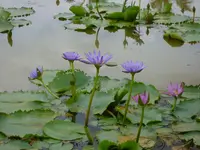
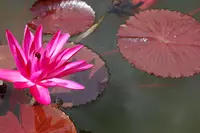
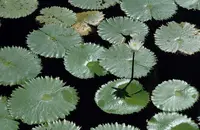
Dotleaf waterlily (Nymphaea ampla) is a tropical aquatic plant that grows rooted in still or slow-moving freshwater, with broad floating leaves and showy white flowers. It forms a spreading colony over the water surface, creating dense shade below.

This species is native to tropical and subtropical regions of the Americas, where it inhabits ponds, lagoons, calm river margins, and wetlands. It is considered moderately challenging, as it needs consistently warm temperatures, stable water conditions, and enough space.

Gardeners who want to know how to care for Dotleaf waterlily should note that it prefers full sun, nutrient-rich aquatic substrates, and clean, relatively still water for healthy growth and flowering.

Main Plant Requirements

Care Difficulty

Moderate Care

Light Preference

Full Sun

Water Requirements

Aquatic

Temperature Preference

Tropical / Frost Sensitive

Hardiness Zone

10–12

Soil Texture

Loamy, Silty, Organic-rich

Soil pH

Slightly acidic (6.5–7.0), Neutral (7.0)

Soil Drainage

Waterlogged tolerant

Fertilization

Moderate (every 2–4 weeks)

Get Personalized Care Plan

Scan your plant to receive care tips personalized for your specific plant

Available on iOS and Android

How to Care for the Dotleaf waterlily

This tropical waterlily needs strong sun to fuel flowering and healthy leaf growth.

  • Provide 6–8 hours of direct sun daily; morning to early afternoon sun is ideal for Dotleaf waterlily in most ponds.
  • Allow light partial shade (2–3 hours) in very hot climates to reduce leaf scorch and water overheating in shallow pools.
  • If plants produce many leaves but few blooms, or leaves stretch and pale, they are not getting enough direct sun, especially in late spring and summer.

This species is an aquatic plant that must grow with its roots and crown fully submerged in stable water levels.

  • Maintain water depth so the crown sits about 30–60 cm below the surface; do not allow the crown to dry out or freeze.
  • Use calm, non-chlorinated water when possible; strong currents, frequent splashing, or rapidly fluctuating levels stress Nymphaea ampla and limit flowering.
  • Yellowing lower leaves with firm, healthy roots often indicate aging or nutrient shortage, while foul smell, mushy rhizomes, and collapsing leaves point to stagnant, oxygen-poor water.

This tropical waterlily prefers consistently warm water and air to grow and flower well.

  • Aim for water temperatures of 75–86°F (24–30°C); growth slows below about 70°F (21°C) and flowering declines.
  • Protect from cold: sustained exposure below 60°F (16°C) weakens the plant, and near-freezing water can kill rhizomes, especially in shallow ponds.
  • In hot spells above 90°F (32°C), deeper water and some midday shade help prevent overheating, leaf burn, and reduced oxygen levels around the roots.

This aquatic species does not rely on ambient air humidity, as its leaves and roots are adapted to life in water.

This species grows best anchored in dense, still-water substrates rather than typical potting soil.

  • Use heavy loam or clay-rich garden soil with high mineral content and minimal undecomposed organic matter to prevent floating.
  • Aim for neutral to slightly alkaline conditions, around pH 7.0–8.0, which suits Nymphaea ampla in most ponds and tubs.
  • Compact the soil firmly in the planting container so it stays in place under water and resists disturbance from fish or water movement.
  • Avoid peat-heavy, sandy, or very loose mixes that cloud the water, reduce root anchoring, and decompose too fast underwater.

This species is suitable for container growing when the container is submerged in a pond or water feature.

  • Choose a wide, shallow aquatic basket or tub at least 30–40 cm across to allow rhizomes to spread without crowding.
  • Use a heavy container material, such as rigid plastic or ceramic, so the pot stays stable on the pond bottom and does not tip.
  • Position the container so the rhizome sits lower than the rim, allowing 20–40 cm of water above the crown for stable leaf and flower development.

Nymphaea ampla responds well to moderate, consistent nutrition during its warm-season growth.

  • Use a balanced aquatic slow-release fertilizer or fertilizer tablets made for waterlilies, avoiding general-purpose lawn products.
  • Feed every 4–6 weeks during active growth, inserting tablets into the planting medium near the rhizome.
  • Apply at half to three-quarter label strength to avoid leaf burn and algae blooms when caring for Dotleaf waterlily.
  • Stop feeding in late fall and withhold fertilizer completely during winter dormancy.

Pruning supports clean growth and reliable flowering in Nymphaea ampla.

  • Trim yellowing, torn, or diseased leaves at the base of their petioles throughout the growing season using clean scissors or pruners.
  • Remove spent flowers promptly to direct energy back to the rhizome and reduce unwanted seed set.
  • Thin overly crowded leaves to improve light penetration, water circulation, and flower production.
  • Avoid cutting healthy submerged stems too hard, which can stress the rhizome and slow regrowth.

Transplanting and dividing Nymphaea ampla keeps plants vigorous and prevents overcrowding in ponds or tubs.

  • Plan to lift and divide clumps every 2–3 years in late spring when new growth starts and water temperatures rise.
  • Look for signs like rhizomes filling the container, roots circling, reduced flowering, or stunted leaves as cues for transplanting.
  • Gently rinse off soil, trim damaged roots, and cut rhizomes into firm sections, each with several buds and healthy roots.
  • Replant in wide, shallow aquatic baskets with heavy loam, anchor rhizomes firmly, then submerge gradually to reduce shock.

Multiplying Nymphaea ampla is usually done by division rather than seed for faster, more predictable results.

  • Divide mature rhizomes in late spring or early summer when plants are actively growing and water is warm.
  • Use a clean, sharp knife to cut firm rhizomes into sections, each with at least 1–2 growth eyes and attached roots.
  • Dust cut surfaces with powdered charcoal or a fungicide to limit rot, then plant in suitable aquatic soil in baskets.
  • Maintain warm water, stable water depth, and full sun to encourage quick establishment of new divisions.

Winter care needs depend on climate, as Nymphaea ampla is sensitive to freezing conditions.

  • In frost-free or very mild climates, plants usually overwinter in place with minimal intervention.
  • In regions with light frost, sink containers deeper so rhizomes stay below the coldest water layer.
  • In colder climates, lift containers before hard frost and overwinter rhizomes in moist sand or peat at 40–50°F indoors.

Care Tips

Weighted planting baskets

Use wide, shallow aquatic baskets lined with burlap and add a top layer of washed gravel to keep the rhizomes weighted and prevent soil from clouding the water when you place or move the plant.

Depth adjustments by season

Start plants in shallower water and slowly move the container deeper over several weeks, then raise it slightly in cooler seasons so new leaves can still reach the surface efficiently.

Leaf and bud thinning

Regularly remove yellowing pads and overcrowded buds with clean scissors just above the rhizome to improve light penetration, water circulation, and flower quality.

Manage nutrient runoff

Site containers away from direct inflow of lawn or field runoff and avoid overstocking fish, which helps prevent algae blooms that can shade pads and reduce flowering when growing Dotleaf waterlily.

Winter storage protocol

In regions with cool winters, lift containers before temperatures drop below 50°F, trim soft foliage, and overwinter the rhizomes in water-filled tubs kept indoors or in a frost-free greenhouse.

Common Pests and Diseases

China mark moth

This pest is a common caterpillar on waterlilies that chews irregular holes and folds or rolls leaves together with silk and plant debris. Symptoms include notched leaf margins, floating frass, and leaves that look cut or windowed.

Solution

Handpick and destroy caterpillars and leaf rolls, collecting any floating larvae and debris from the water surface. For heavier infestations, use a targeted biological control such as a Bacillus thuringiensis (Bt) product labeled for caterpillars, applied in the evening and kept away from fish intake points as much as possible.

Aphids

These insects often cluster on emerging pads and flower buds, sucking sap and causing distortion, sticky honeydew, and sooty mold on the leaf surface. Symptoms include curled or stunted new growth and visible small soft-bodied insects along leaf veins and stems.

Solution

Rinse colonies off pads and buds by dipping affected leaves under water or using a gentle hose stream directed away from flowers. Where populations persist, introduce or encourage natural predators such as lady beetles, or use a low-toxicity insecticidal soap labeled for aquatic-edge use, keeping spray drift away from open water and fish.

Waterlily crown rot

This disease affects the rhizome or crown, causing yellowing pads, poor flowering, and collapse of leaves from the center of the plant while outer pads may remain for a time. Symptoms include soft, foul-smelling tissue in the crown and new leaves that emerge small and quickly decay.

Solution

Remove and discard all affected rhizome material and severely damaged pads, taking care not to spread muddy debris between containers or ponds. Replant only firm, healthy rhizome sections in clean, well-anchored aquatic soil, avoid overcrowding, and maintain good water quality to reduce stress that favors infection.

Leaf spot disease

This disease produces brown, tan, or purplish spots on pads that may merge into larger dead areas, especially in warm, still water. Symptoms include spots with distinct margins and older leaves deteriorating faster than new ones.

Solution

Trim and remove spotted or decaying leaves from the pond to reduce pathogen buildup, and avoid leaving dead plant material to rot in the water. If the problem recurs severely, improve water circulation, reduce overcrowding of pads, and consider rotating or replacing heavily affected plants with clean stock.

Waterlily beetle

These insects, including adults and larvae, feed on pads, leaving shot holes, trenches, or skeletonized areas that reduce the effective photosynthetic surface. This pest often rests on the upper leaf surface and may drop into the water when disturbed.

Solution

Handpick adult beetles and larvae in the early morning or evening, placing them in soapy water, and remove heavily damaged pads to limit egg and larval stages. For persistent outbreaks, use a targeted insecticidal soap or neem-based product applied only to the leaf surface above water, avoiding drift into the pond where fish and beneficial organisms live.

Interesting Facts

Night-blooming schedule

This tropical waterlily opens its large white flowers at dusk and keeps them open through the night, then closes them again by late morning, matching the activity patterns of its nocturnal pollinators.

Beetle-based pollination

The flowers are mainly pollinated by scarab beetles that are attracted by the bloom’s strong fragrance and pale color, an example of cantharophily, which is pollination specialized for beetles.

Salty-water tolerance

Unlike many freshwater waterlilies, this species can grow in slightly brackish waters such as coastal lagoons and cenotes, reflecting adaptation to limestone-rich and occasionally saline habitats in its native range.

Botan icon

Did you know?

Archaeological remains and iconography from ancient Maya sites show that this species held symbolic importance and was frequently depicted in art and ritual contexts, often associated with water deities and concepts of fertility and rebirth.

FAQs about Dotleaf waterlily

Lack of blooms usually comes from insufficient warmth, shallow or nutrient-poor substrate, or too much shade. Ensure stable warm water, at least 4–6 hours of direct sun, and a rich aquatic planting medium to support flowering.

Grow Healthy Plants with Botan Care

Keep your plants happy and healthy with plant identification, disease detection, and easy care guidance.

Botan plant care app — identify plants on mobile

Explore More Plants