Blue Egyptian lotus Care (Nymphaea micrantha)

Also known as: Dwarf Madagascar Lily
Blue Egyptian lotus

About Blue Egyptian lotus

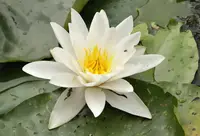
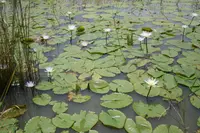
Blue Egyptian lotus, Nymphaea micrantha, is a tropical water lily grown for its star-shaped blue to violet flowers and patterned floating leaves. It forms rhizomes anchored in shallow, still water. Native to parts of tropical Africa, it is commonly cultivated in ornamental ponds and large water containers in warm climates. The plant spreads over the water surface, creating a calm, horizontal growth habit. It is considered moderately easy for hobbyists with suitable conditions, but less practical for very small indoor setups. Consistent warmth, full sun, and stable water levels are important when learning how to care for Blue Egyptian lotus.

Main Plant Requirements

Care Difficulty

Moderate Care

Light Preference

Full Sun

Water Requirements

Aquatic

Temperature Preference

Tropical / Frost Sensitive

Hardiness Zone

10–12

Soil Texture

Loamy, Silty, Organic-rich

Soil pH

Slightly acidic (6.5–7.0), Neutral (7.0)

Soil Drainage

Waterlogged tolerant

Fertilization

Moderate (every 2–4 weeks)

Get Personalized Care Plan

Scan your plant to receive care tips personalized for your specific plant

Available on iOS and Android

How to Care for the Blue Egyptian lotus

This tropical water lily needs strong light over its pond surface to flower and keep foliage compact.

  • Provide 6–8 hours of direct sun daily; morning and midday sun are ideal, with light afternoon shade in very hot regions.
  • Tolerates light partial shade (around 4–5 hours sun), but flowering of Blue Egyptian lotus declines and leaves may elongate and pale.
  • In summer, avoid reflected intense heat from walls or stone; in cooler months, position where low-angle sun reaches the water surface.

As an aquatic plant, this species relies on consistently flooded conditions rather than traditional soil watering.

  • Keep the rhizome submerged under 15–45 cm of water, ensuring leaves float freely; do not allow the crown to sit dry or exposed.
  • Water level should stay stable; large, repeated drops expose roots and cause leaf yellowing and crisp edges, a sign of underwatering stress.
  • If grown in a lined pond or container, avoid fast-flowing inlets directly on the plant, which can disturb soil and increase rot risk in Nymphaea micrantha.

This species grows best in warm, frost-free conditions with stable water temperatures.

  • Aim for 75–86°F (24–30°C) water for strong growth and flowering; shallow ponds warm faster and suit this range well.
  • Protect the plant from temperatures below 60°F (16°C); at 50–55°F (10–13°C) growth slows sharply and tissue damage may occur.
  • This tropical water lily has poor frost tolerance; avoid any freeze, and in hot spells above 95°F (35°C) provide some afternoon shade to limit water overheating.

This aquatic species prefers consistently high ambient humidity similar to its water surface habitat.

  • Target 60–80% humidity around leaves, which aligns with conditions at the pond or container water surface for Blue Egyptian lotus.
  • Dry indoor air below 40% can cause leaf edges to brown and curl, and new pads may emerge smaller.
  • Increase local humidity by grouping water containers, placing trays of water nearby, or using a room humidifier in enclosed spaces.

This species grows best in heavy, mineral-rich aquatic soil that stays submerged but not disturbed.

  • Use dense clay or loam with high mineral content and minimal organic debris to anchor rhizomes and prevent clouding.
  • Avoid fluffy potting mixes, perlite, or bark, which float, decompose quickly, and destabilize plants in water.
  • Aim for slightly acidic to neutral conditions, roughly pH 6.5–7.5, typical of many freshwater ponds where Nymphaea micrantha thrives.
  • Cap the soil with a 2–3 cm layer of coarse sand or fine gravel to limit soil disturbance and reduce nutrient loss into the water column.

This water lily is well suited to container culture in ponds, tubs, and patio water features.

  • Select a wide, relatively shallow container to allow rhizomes to spread horizontally while keeping leaves close to the water surface.
  • Choose a heavy, non-floating material such as ceramic or thick plastic to prevent the container from tipping or rising in the water.
  • Place the container deep enough that mature leaves just reach the surface, adjusting height with bricks rather than changing soil depth.

This aquatic species benefits from steady, moderate nutrition during its active season for reliable flowering and foliage growth.

  • Use slow-release aquatic fertilizer tablets or a balanced NPK such as 10-10-10 formulated for water lilies, never general lawn food.
  • Feed actively growing plants every 4–6 weeks in spring and summer by pushing tablets deep into the container soil around the rhizome.
  • Apply fertilizer at the manufacturer’s lower recommended rate to avoid leaf burn and algae blooms in the pond.
  • For caring for Blue Egyptian lotus, stop feeding in fall as growth slows, and avoid fertilizing during full winter dormancy.

Pruning focuses on keeping Nymphaea micrantha leaves and flowers healthy rather than shaping the plant.

  • Trim spent flowers as soon as petals fade, cutting stems near the rhizome to encourage continued blooming and reduce seed set.
  • Remove yellowing, torn, or diseased leaves at the base to limit rot and improve water quality and light penetration.
  • Use clean, long-handled aquatic scissors or pruners to reach pads without disturbing the rhizome or stirring up soil.
  • Carry out most pruning during the growing season, checking plants weekly so damaged parts never decay in the water.

Container-grown plants need occasional division and fresh soil to maintain strong flowering and balanced growth.

  • Plan to repot or divide every 2–3 years in late spring when water temperatures are warming and new growth starts.
  • Look for crowded rhizomes, many small leaves, or reduced flowering as signs the plant needs more space and nutrients.
  • Lift the container gently, rinse off soil, and trim damaged roots, then reset the rhizome in heavy loam with the growing tip just above the soil.
  • Work quickly, keep roots shaded and moist, and re-submerge the pot gradually to reduce transplant shock and stress.

This species is commonly propagated by dividing its rhizomes to produce vigorous, flowering-size plants.

  • Divide established clumps in late spring or early summer, when plants show active new growth and water is warming.
  • Lift the container, rinse away soil, and cut the rhizome into sections, each with at least 1–2 healthy growing points and roots.
  • Plant divisions in sturdy aquatic baskets filled with heavy loam, then cap with coarse sand or gravel to prevent soil loss.
  • Keep water still and relatively warm, around 70–80°F, with full sun to help new divisions root and resume growth quickly.

This tropical water lily is frost-tender and needs careful management in regions with cold winters.

  • In climates below about 55°F winter water temperatures, treat plants as tender and plan for indoor overwintering.
  • For container plants, lift baskets before the first frost and keep rhizomes in a tub of water at 60–70°F under bright light.
  • Alternatively, store cleaned rhizomes barely moist in peat or sand in a cool, frost-free place, then restart in warm water in spring.
  • In frost-free ponds, monitor for short cool spells and keep water depth stable so rhizomes remain insulated from temperature swings.

Care Tips

Container depth choice

Use a wide container at least 30–40 cm deep so rhizomes can spread horizontally while staying submerged at a stable depth, which reduces stress and encourages strong leaf and flower production when growing Blue Egyptian lotus.

Rhizome positioning

Set the rhizome at a slight angle with the growing tip just above the substrate surface and never fully buried, which helps prevent rot and promotes faster sprouting of new leaves.

Leaf thinning routine

Remove the oldest, yellowing, or damaged leaves at their base every 1–2 weeks so they do not decompose in the water and deplete oxygen needed by roots and beneficial microbes.

Water turnover management

Maintain gentle water movement with a small pump or fountain that circulates water but does not splash strongly on leaves, which helps limit algae and mosquito larvae while avoiding mechanical damage to the plant.

Winter storage method

In cooler climates, overwinter potted plants by moving the container to a frost-free area and keeping the rhizome submerged in clean, cool water with minimal light, allowing the plant to rest until outdoor conditions warm again.

Common Pests and Diseases

Water lily aphids

This pest feeds on tender pads, flower buds, and petioles, sucking sap and causing distortion, yellowing, and sticky honeydew on the water surface or leaves.

Solution

Manually wash colonies off pads and stems with a strong hose spray or by dipping individual leaves, then encourage predators such as lady beetles and avoid heavy nitrogen fertilization that promotes soft growth; in small ponds, use a labeled insecticidal soap directed only at infested foliage, keeping spray out of open water as much as possible.

China mark moth larvae

These insects are aquatic caterpillars that cut and roll pieces of leaves into floating cases, leaving pads with windowpane-like feeding damage and irregular holes.

Solution

Hand-remove rolled leaf cases and heavily damaged pads, then reduce nighttime lights over the pond that attract adult moths; in persistent infestations, use a Bacillus thuringiensis israelensis (Bti) product labeled for aquatic use, following dosage carefully to protect other pond life.

Water lily leaf spot

This disease causes small brown to purplish spots on pads that can enlarge, merge, and lead to premature leaf yellowing and collapse on the water surface.

Solution

Remove and discard affected leaves promptly to reduce spore spread, avoid overhead splashing when filling the pond, and maintain good water circulation; if leaf spot returns each season, start preventive treatment early with a pond-safe fungicide labeled for water lilies and avoid overcrowding of pads.

Crown and rhizome rot

This disease develops in warm, poorly oxygenated water or heavy, anaerobic soil, leading to soft, foul-smelling rhizomes and collapse of pads from the center of the plant.

Solution

Lift the plant, cut away all mushy tissue back to firm white rhizome, and replant only healthy sections in fresh, low-organic pond soil; improve water movement and depth, avoid overfertilizing, and keep rhizomes at the recommended planting depth to reduce stress and Nymphaea micrantha care issues related to rot.

Spider mites on overwintered stock

This pest can develop on plants that are overwintered indoors or in greenhouses, causing fine stippling, bronzing, and webbing on emergent or stored foliage before plants return to outdoor ponds.

Solution

Rinse leaves thoroughly under running water to dislodge mites, increase humidity around stored plants, and isolate infested specimens; for persistent infestations, use an insecticidal soap or horticultural oil labeled for mites, ensuring full coverage of leaf undersides and repeating at 5–7 day intervals as needed.

Interesting Facts

Distinctive mottled leaves

This species typically develops floating leaves with irregular purple or brown mottling on a green background, a pattern used by taxonomists to help distinguish it from related tropical waterlilies. The leaf undersides often show strong coloration as well, which may help reduce light penetration and protect tissues from excess solar radiation.

Day-blooming tropical flowers

It produces pale bluish to lilac flowers that open during the day and close later, following a circadian rhythm controlled by internal plant clocks and light signals. As a true tropical waterlily, it continues flowering in consistently warm water, unlike hardy temperate species that need a cool resting period.

Viviparous leaf propagation

This waterlily is notable for its ability to form plantlets directly on mature leaves, a trait known as vivipary, which allows rapid clonal spread. These small plantlets can detach, root, and establish new colonies without seed formation, which is useful for Nymphaea micrantha plant care in cultivation.

Botan icon

Did you know?

This species is considered one of the main wild progenitors of several modern tropical waterlily hybrids, so its genetic traits for leaf mottling, flower color, and vivipary have been widely used in ornamental breeding programs around the world.

FAQs about Blue Egyptian lotus

Lack of blooms usually comes from too little direct sun, water that is too cool, or insufficient nutrients. Shallow, warm water, full sun, and a low‑phosphorus aquatic fertilizer typically restore flowering over the next growing season.

Grow Healthy Plants with Botan Care

Keep your plants happy and healthy with plant identification, disease detection, and easy care guidance.

Botan plant care app — identify plants on mobile

Explore More Plants