Matchstick Flapwort Care (Odontoschisma denudatum)

Matchstick Flapwort

About Matchstick Flapwort

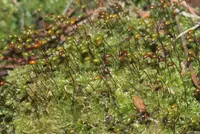
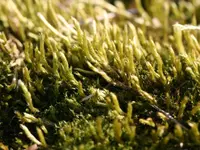
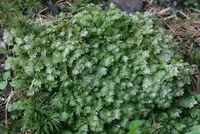
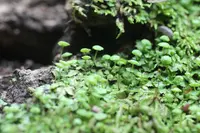
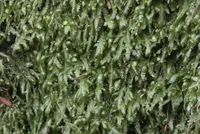
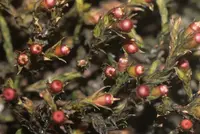
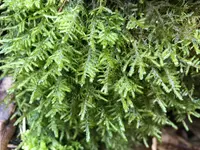
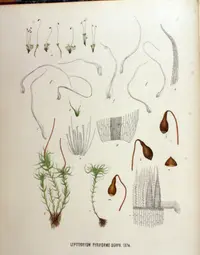
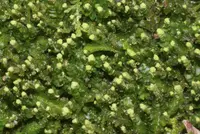
Matchstick flapwort (Odontoschisma denudatum) is a small leafy liverwort, a non-vascular plant related to mosses. It forms low, dense mats that creep over soil, rock, or decaying wood. The shoots are slender and often reddish-brown or olive, giving a fine, textured appearance at very close range.

This species occurs mainly in cool, humid forests of the Northern Hemisphere, especially in Europe and parts of North America. It favors shaded, consistently moist, acidic habitats, which makes indoor cultivation challenging. Those who want to learn how to care for Matchstick Flapwort should know it is sensitive to drying out and sudden environmental changes, so it suits controlled terrarium or specialist moss setups best.

Main Plant Requirements

Care Difficulty

Hard Care

Light Preference

Shade

Water Requirements

Keep Soil Moist

Temperature Preference

Cool Climate

Hardiness Zone

Unknown

Soil Texture

Peaty, Organic-rich

Soil pH

Strongly acidic (4.5–5.5), Acidic (5.5–6.5)

Soil Drainage

Waterlogged tolerant

Fertilization

Minimal (feed rarely)

Get Personalized Care Plan

Scan your plant to receive care tips personalized for your specific plant

Available on iOS and Android

How to Care for the Matchstick Flapwort

This small liverwort prefers low, cool light similar to a shaded forest floor.

  • Provide bright, fully shaded to deep dappled light, such as under ferns or shrubs, with no direct midday sun; brief early morning sun of 1–2 hours is usually tolerated in cool, humid sites.
  • Matchstick Flapwort performs best in constant low light rather than fluctuating full sun/deep shade cycles; heavy afternoon sun quickly scorches and dries its delicate shoots.
  • In summer, protect from any direct sun and reflectivity from rocks or glass; in winter, slightly more open shade is acceptable as long as the substrate never dries out from wind and light.

This species requires consistently moist conditions and reacts quickly to drying.

  • Maintain the substrate evenly moist at all times, similar to a damp forest floor or bog; do not allow the surface to turn light-colored or crusty, which indicates early drying.
  • In naturalistic outdoor plantings, use fine-textured, humus-rich, well-drained media that stay wet but never waterlogged; standing water for more than 24 hours promotes rot and algae growth.
  • Watch for pale, brittle, shrinking fronds as a sign of underwatering, and for dark, mushy patches or a sour smell as signs of overwatering in Odontoschisma denudatum.

This liverwort thrives in cool, stable conditions and declines in temperature extremes.

  • Aim for 45–65°F (7–18°C) for steady growth, mimicking a cool, moist woodland or bog environment with high humidity and low light.
  • Protect from frost; tissue damage occurs near 28–30°F (-2– -1°C), especially if exposed or dry, so provide cover or move trays to a frost-free, unheated but cool shelter in cold spells.
  • Heat tolerance is low; growth stalls above 75°F (24°C) and plants may desiccate above 80°F (27°C), so increase shade, airflow, and surface humidity during hot, dry weather.

This very small liverwort requires constantly high humidity to survive in cultivation.

  • Aim for 80–95% humidity, similar to a closed terrarium or shaded bog edge, to prevent fronds from drying and shrinking.
  • Low humidity causes crisping, brown margins, and rapid thinning of Matchstick Flapwort mats, especially at exposed edges.
  • Maintain humidity with a closed or semi-closed terrarium, frequent fine misting, and moist sphagnum around but not smothering the plant.

This species prefers a constantly moist, very soft, organic substrate that mimics bog or wet forest floor conditions.

  • Use a fine-textured mix based on milled sphagnum or peat with added leaf mold to create a spongy, moisture-retentive layer.
  • Ensure slow but consistent drainage by placing the mix over coarse sand or fine grit so water can move away from the rhizoids without drying the surface.
  • Keep pH slightly acidic, around 4.5–6.0, which matches typical Odontoschisma denudatum habitats such as peaty woodland and bog margins.
  • Avoid dense mineral garden soil, fertilizers, or liming materials, which compact the substrate, raise pH, and damage delicate tissues.

This species can be grown in containers, especially enclosed or semi-enclosed setups that stabilize moisture.

  • Choose a shallow, wide container to spread a thin substrate layer, which prevents buried, rotting mats and improves gas exchange at the surface.
  • Favor glass or plastic over porous clay to reduce evaporative loss and keep the microhabitat uniformly damp.
  • Tilt the container slightly or create a tiny slope in the substrate so excess water drains to one side and does not pool directly under the colony.

Odontoschisma denudatum usually grows on nutrient-poor substrates and needs little to no added fertilizer in cultivation.

Pruning needs for Odontoschisma denudatum are minimal and focus on hygiene rather than shaping.

  • Trim only dead, brown, or decaying patches with fine scissors to limit fungal problems.
  • Remove any loose, detached mats so light and air reach healthy tissue.
  • Avoid cutting into firm green growth, as this can slow spread and recovery.
  • Disinfect tools before and after use to reduce disease transmission.

Transplanting this delicate liverwort demands gentle handling and infrequent disturbance.

  • Transplant only when growth thins out, substrate decomposes, or water drainage becomes poor.
  • Choose cool, moist periods such as early spring or early fall for any move.
  • Lift thin mats with a flat tool, keeping the colony attached to a thin layer of original substrate.
  • Set onto fresh, acid, moisture-retentive medium and keep evenly humid to reduce stress.

Propagation of Odontoschisma denudatum is mainly achieved by division of existing mats rather than by spores in home culture.

  • Best timing is early spring or early fall, when temperatures are mild and humidity is high.
  • Gently tear or cut small sections of the mat, keeping each piece attached to a bit of substrate.
  • Press sections onto a fresh, moist, acidic medium and mist lightly to ensure close contact.
  • Provide low light, constant moisture, and good air movement to encourage steady establishment.

This species is cold hardy in its natural range and usually needs little specific winter care.

  • In outdoor culture, allow natural dormancy; snow cover often insulates the colonies.
  • Avoid sites with strong winter sun and drying winds that can desiccate the thin shoots.
  • For containers, place in a cold, bright, frost-exposed but sheltered spot with evenly moist substrate.

Care Tips

Shallow Mounting Technique

Attach the thallus in a very thin layer on cork, bark, or rock using fine nylon thread or plastic mesh so that the plant has firm contact but remains exposed to air, which greatly reduces rot risk in this moisture-loving liverwort.

Capillary Watering Setup

Place the mounted colony above, not in, a reservoir and use a strip of polyester felt or capillary matting to wick water upward, keeping the substrate evenly moist without direct standing water on the plant surface.

High-Airflow Humidity

Combine high humidity with constant gentle air movement from a small, low-speed fan aimed past rather than at the plant to prevent fungal growth on the delicate tissues while still avoiding desiccation.

Clean-Handling Protocol

Handle the plant only with disinfected tweezers or gloved hands and avoid touching the thallus with bare fingers, which limits mechanical damage and reduces contamination by oils and fungal spores when caring for Matchstick Flapwort.

Gradual Expansion Method

When the colony thickens, divide it into several thin, small patches and spread them to new sections of the mount, which maintains healthy airflow around each patch and encourages more even, stable long-term coverage.

Common Pests and Diseases

Fungus gnat larvae

This pest targets constantly moist bryophyte mats and feeds on tender rhizoids and young tissue. Symptoms include thinning patches, poor regrowth after trimming, and tiny black adult gnats hovering above the substrate.

Solution

Allow the surface layer to dry slightly between waterings, improve air movement over the culture, and use fine mesh over drainage to reduce larval habitat. For persistent problems, apply a biological control such as Bacillus thuringiensis israelensis (Bti) in the irrigation water and remove heavily infested substrate sections.

Slugs and snails

These insects are attracted to the cool, damp environments used for this species and graze directly on the leafy liverwort shoots. Symptoms include irregular bare patches, ragged edges on mats, and slime trails on containers or glass.

Solution

Physically remove slugs and snails during evening inspections and reduce hiding places such as loose debris or stacked pots around the culture area. In outdoor or greenhouse setups, use copper tape barriers or carefully placed iron phosphate pellets, ensuring baits do not contact the plant surface.

Algal overgrowth

This disease occurs when free water and high nutrients favor green algae that overgrow the liverwort surface. Symptoms include a bright green, glossy film that smothers the mat and slows or stops new growth.

Solution

Reduce watering frequency so the surface does not stay waterlogged, improve light and airflow, and flush away excess fertilizer from any nearby plants. Gently disturb and rinse off algae from the surface where possible, and in multi-species terraria maintain lean nutrient levels to favor Odontoschisma denudatum care rather than algae proliferation.

Filamentous mold

This disease develops in stagnant, overly humid enclosures and appears as fine white, gray, or pale green threads spreading across the mat. Symptoms include localized dieback, a cottony coating on decaying fragments, and slow thinning of the colony.

Solution

Increase ventilation by opening vents or briefly lifting lids, and remove affected plant fragments and any decaying organic material. Rinse the surface with clean, room-temperature water, avoid overhead misting that keeps tissue saturated, and maintain humidity through stable enclosure design rather than constant free water on the plant.

Interesting Facts

Leafy liverwort lifestyle

This species is a leafy liverwort that forms very low, irregular mats with flattened, leaf-like structures rather than true leaves, allowing it to cling tightly to damp soil and decaying wood in cool, shaded habitats.

Sensitivity to pollution

Populations often decline or disappear from sites with increased air pollution, nutrient enrichment, or physical disturbance, so its presence can indicate relatively clean, undisturbed microhabitats in coniferous and mixed forests.

Preference for acidic substrates

It typically grows on acidic, humus-rich soil or rotting logs, often among mosses and other small bryophytes, reflecting a strong ecological preference for low-pH, nutrient-poor forest substrates.

FAQs about Matchstick Flapwort

This liverwort grows best outdoors in cool, shaded, consistently moist environments, such as humid woodland or bog gardens. Indoors it is difficult to maintain stable humidity and airflow, so Matchstick Flapwort indoor care is considered challenging even for experienced growers.

Grow Healthy Plants with Botan Care

Keep your plants happy and healthy with plant identification, disease detection, and easy care guidance.

Botan plant care app — identify plants on mobile

Explore More Plants