schistidium moss Care (Schistidium apocarpum)

Also known as: Sessile Grimmia, Prickly Cannikin Moss
schistidium moss

About schistidium moss

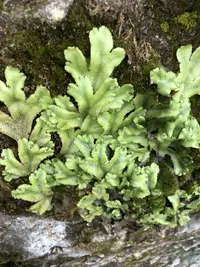
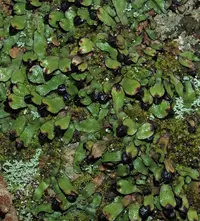
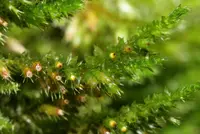
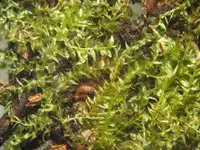
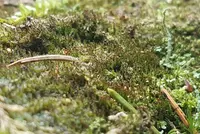
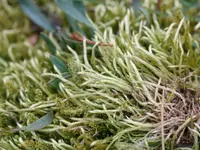
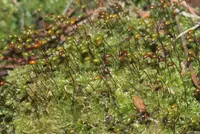
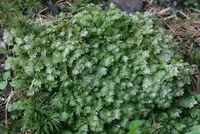
Schistidium apocarpum, often called sidewalk moss or pavement moss, is a compact, cushion-forming bryophyte that grows tightly against hard surfaces. It forms dense, dark green to brownish mats that can look almost velvety when hydrated.

In nature it commonly colonizes rocks, walls, roofs, and urban concrete, especially in cool, temperate regions. Its tough, drought-tolerant structure allows it to survive periods of drying, then quickly revive when moisture returns.

Because it is small and slow-growing, it is often used in rock gardens, terrariums, and detail work in moss landscapes. Those who want to care for schistidium moss should focus on stable moisture, bright but indirect light, and a firm, low-nutrient surface rather than rich soil.

Main Plant Requirements

Care Difficulty

Moderate Care

Light Preference

Partial Shade

Water Requirements

Keep Soil Moist

Temperature Preference

Cold Hardy

Hardiness Zone

3–8

Soil Texture

Rocky, Sandy, Loamy

Soil pH

Acidic (5.5–6.5), Slightly acidic (6.5–7.0)

Soil Drainage

Moist but well-drained

Fertilization

Minimal (feed rarely)

Get Personalized Care Plan

Scan your plant to receive care tips personalized for your specific plant

Available on iOS and Android

How to Care for the schistidium moss

This moss thrives in bright, indirect light that mimics open but not exposed rock surfaces.

  • Provide 3–6 hours of soft morning sun or bright, filtered light; avoid harsh afternoon sun that can dry and bleach schistidium moss.
  • Allow light partial shade, especially in hotter climates, where dappled light under shrubs or rocks protects it from midday intensity.
  • In winter, ensure it still receives bright, indirect light; in summer, increase shade if cushions look pale, crispy, or recede from exposed edges.

This species prefers frequent light moisture but tolerates short dry spells if rooted on well-drained surfaces.

  • Water when the surface feels dry to the touch but the underlying layer is still slightly damp; avoid constant saturation or standing water.
  • Use short, gentle soakings that rehydrate the moss and substrate, then allow excess to drain away to prevent rot and algae buildup on Schistidium apocarpum.
  • In hot, windy periods, increase misting or light watering; reduce frequency in cool, damp seasons and watch for gray, brittle pads as a sign of underwatering.

This hardy moss tolerates a wide temperature range but grows best in cool to mild conditions.

  • Optimal growth occurs around 45–70°F (7–21°C), especially in moist, shaded exposures that prevent rapid drying of cushions.
  • It survives short drops near 10–15°F (-12 to -9°C) once established, but repeated freeze–thaw with no snow cover can desiccate exposed patches.
  • Heat tolerance is moderate; above 80°F (27°C), shelter it from full sun and drying winds, and maintain higher humidity to limit stress and browning.

This moss prefers cool, moist air but adapts to a range of household conditions.

  • Aim for 50–80% humidity, especially when establishing new patches or recovering from dryness.
  • It tolerates brief dry indoor air if the substrate stays consistently damp but not flooded.
  • Brown, crisp tips or thinning cushions indicate humidity stress; increase humidity with frequent fine misting or a nearby open tray of water.

This species naturally anchors to rock and compact substrates, so soil choice mainly controls moisture and stability in cultivation.

  • Use a gritty, thin substrate layer such as 2 parts sand or fine gravel mixed with 1 part sieved compost or leaf mold on top of a firm base stone or slab.
  • Ensure very rapid drainage; water should pass through within seconds, leaving the surface moist but never muddy or spongy.
  • Keep pH near neutral to slightly acidic (pH 5.5–7); avoid strongly alkaline mixes or fresh lime additions.
  • For Schistidium apocarpum, avoid deep, peat-heavy pots that stay wet and anaerobic; prioritize shallow, well-aerated surfaces with minimal organic matter.

This species can be grown successfully in shallow containers that mimic rocky, fast-draining habitats.

  • Choose a low, wide tray or dish so mats can spread laterally and dry quickly between waterings.
  • Place a heavy stone or ceramic shard in the container to provide a firm anchor surface and prevent shifting when watered.
  • Use a rigid, weighty container outdoors to limit tipping or movement, which can break the moss cushions during heavy rain or handling.

This moss is adapted to low‑nutrient habitats and usually needs no supplemental feeding in cultivation.

Schistidium apocarpum rarely needs pruning, but light grooming maintains a dense, healthy cushion.

  • Trim only browned, dead, or obviously damaged patches, leaving green cushions intact.
  • Use small scissors or tweezers and avoid pulling, which can detach whole clumps from the substrate.
  • Work during active growth in spring or fall so the colony can re-knit gaps quickly.
  • Remove debris like fallen leaves to improve airflow and reduce fungal issues.

Transplanting is mainly relevant when Schistidium apocarpum is grown on stones, wood, or shallow trays.

  • Transplant if growth becomes patchy, the substrate breaks down, or water drains poorly and algae dominate.
  • Best timing is cool, moist weather in spring or early fall to limit desiccation stress.
  • Gently lift thin mats with a spatula, keeping attached substrate and rhizoids as intact as possible.
  • Reattach onto a similar, clean surface and mist frequently for 1–2 weeks until firmly reanchored.

This moss is multiplied most reliably by division rather than by spores in home culture.

  • In spring or fall, lift small, healthy cushions with a thin layer of attached substrate.
  • Press divisions onto new stone, wood, or gritty mix, ensuring close contact but not smothering them.
  • Maintain constant light moisture and bright, indirect light to encourage new rhizoid anchoring.
  • Spore propagation is slow and unpredictable, so it is mainly used in specialist or research settings.

Schistidium apocarpum is naturally cold hardy and usually needs no special winter care outdoors.

  • In the ground or on rocks, it tolerates freezing and thawing, entering a dormant, desiccated state.
  • For containers in very exposed sites, move to a sheltered, unheated area to reduce freeze–thaw heaving.
  • Avoid covering cushions with dense mulch or plastic, which traps moisture and encourages rot.

Care Tips

Substrate anchoring

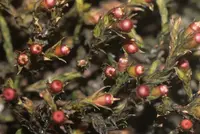
Press small, irregular stones or lava rock pieces gently onto fresh cushions to help rhizoids anchor and prevent the moss from being washed away during misting or rain events.

Controlled hydration cycles

If grown in trays or shallow dishes, allow water to just cover the base of the substrate for a few hours, then fully drain so the moss experiences alternating moist and slightly drier periods that mimic natural rock-face conditions.

Algae and liverwort control

To limit smothering by algae or liverworts, periodically siphon off green surface films with a small syringe or turkey baster and lightly disturb only the contaminated surface grains rather than the whole colony.

Seasonal light adjustment

In climates with strong seasonal shifts, move container-grown mats to a brighter but still cool position in winter and a slightly shadier, wind-exposed spot in summer to keep dense cushions compact instead of leggy.

Fragment propagation

When expanding a colony, tear off small moss fragments, crumble them finely, and press them into moist rock crevices or onto rough masonry, then cover with a breathable mesh for 2–3 weeks to keep them in place while they establish, which is a reliable method for growing schistidium moss on hard surfaces.

Common Pests and Diseases

Desiccation and browning

Symptoms include crisp, brown shoot tips and thinning cushions, often after hot, dry, or windy weather or direct afternoon sun exposure. This physiological stress is a primary issue for this rock-dwelling moss in exposed sites.

Solution

Provide bright but indirect light, reduce heat exposure, and keep the substrate consistently but lightly moist without waterlogging. Mist with clean, non-calcareous water during dry spells and, for schistidium moss indoor care, increase local humidity and avoid strong air currents or direct heater vents.

Algal overgrowth

This disease-like condition appears as slimy, green films or patches over the moss surface, usually triggered by standing water, poor air movement, and nutrient-enriched runoff. It can smother shoots and block light, slowing growth or causing dieback.

Solution

Reduce watering frequency, improve drainage and air circulation, and avoid fertilizer or nutrient-rich water contact with the colony. Gently rinse the surface with clean water, physically remove thick algal mats with a soft brush, and allow the substrate to dry slightly between waterings while still staying evenly damp overall.

Springtails

These insects are tiny, pale or gray jumping arthropods that thrive in constantly wet moss cushions and organic debris. This pest rarely kills the moss but can indicate excess moisture and may disturb delicate new growth in very dense populations.

Solution

Allow the moss surface to dry very slightly between waterings while keeping the interior moist, and remove decaying organic material trapped in the cushion. If numbers remain high, rinse the colony gently with water to dislodge insects, and, in enclosed setups, temporarily increase ventilation to lower excess humidity.

Mite damage

This pest issue is caused by small, often reddish or translucent mites feeding among moss leaves, sometimes creating patchy thinning, dull coloration, or fine webbing in sheltered, warm microhabitats. Infestations are more common in covered or indoor displays with stagnant air.

Solution

Improve airflow around the moss and avoid overheating in enclosed containers. Rinse the cushions thoroughly under a gentle stream of water, then repeat every few days; in persistent cases under glass, temporarily open lids, lower temperature slightly, and if needed apply a moss-safe insecticidal soap as a short contact treatment, followed by thorough rinsing.

Interesting Facts

Urban stone colonizer

This moss frequently forms dark, cushion-like patches on concrete, brick, and urban stonework, where it tolerates high pH and heavy metal deposits better than many other mosses.

Efficient water manager

Its dense, overlapping leaves and compact growth help reduce water loss, allowing it to survive repeated drying and rapid rehydration on exposed rock surfaces.

Bioindicator of habitat

Because it prefers nutrient-poor, often calcareous stone and masonry, its presence can indicate alkaline substrates and long-term atmospheric exposure patterns in both natural and built environments.

Botan icon

Did you know?

In some European cities, long-term studies of this species on building façades and old walls have been used to estimate surface age and weathering rates, effectively turning the moss into a biological tool for reading the history of stone structures.

FAQs about schistidium moss

Growth is slow. It usually extends only a few millimeters per year, forming tight cushions over time. Establishment may take many months, especially from fragments. Stable moisture and minimal disturbance support growing schistidium moss in cultivated settings.

Grow Healthy Plants with Botan Care

Keep your plants happy and healthy with plant identification, disease detection, and easy care guidance.

Botan plant care app — identify plants on mobile

Explore More Plants