Swartz's Feather-moss Care (Oxyrrhynchium hians)

Also known as: Spare Rug Moss
Swartz's Feather-moss

About Swartz's Feather-moss

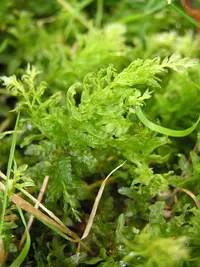
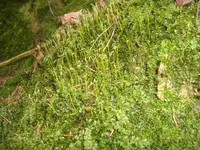
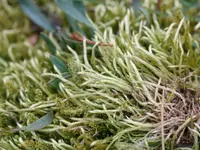
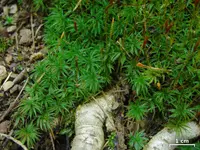
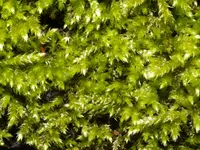
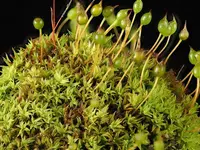
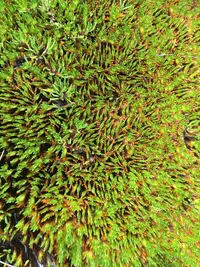
Swartz's feather-moss, Oxyrrhynchium hians, is a small, creeping moss that forms soft, green carpets on soil, rocks, and decaying wood. It has fine, feather-like stems with overlapping leaves that give it a delicate, textured look.

This species is widespread in temperate regions, often found in woodlands, shaded banks, and damp urban corners. It tends to be adaptable and can colonize disturbed or compacted ground.

Because it tolerates shade and variable moisture, it is usually considered easy to grow in moss gardens and terrariums. Understanding how to care for Swartz's Feather-moss mainly involves providing consistent moisture, gentle airflow, and a stable, not overly bright environment.

Main Plant Requirements

Care Difficulty

Moderate Care

Light Preference

Shade

Water Requirements

Keep Soil Moist

Temperature Preference

Cool Climate

Hardiness Zone

5–9

Soil Texture

Loamy, Silty, Organic-rich

Soil pH

Acidic (5.5–6.5), Slightly acidic (6.5–7.0)

Soil Drainage

Moist but well-drained

Fertilization

Minimal (feed rarely)

Get Personalized Care Plan

Scan your plant to receive care tips personalized for your specific plant

Available on iOS and Android

How to Care for the Swartz's Feather-moss

This moss prefers cool, shaded habitats with soft, indirect light rather than direct sun exposure.

  • Provide 0–2 hours of weak morning sun only, with 6–10 hours of bright shade or dappled light under shrubs, trees, or beside rocks.
  • Avoid strong midday and afternoon sun, which can dry and bleach Swartz's Feather-moss; leaf tips turning pale or crisp signal excess light and heat stress.
  • In summer, increase shade or leaf litter cover; in low-light seasons, ensure at least open shade rather than deep, enclosed darkness to maintain steady growth.

This moss thrives in consistently moist, cool substrates and reacts quickly to drying or stagnant conditions.

  • Keep the substrate evenly damp; the top 0.5–1 cm should not fully dry out, and fronds should feel slightly springy, not brittle, when gently touched.
  • In wet seasons, ensure excess water can drain or seep away to prevent sour, foul-smelling patches and dark, collapsing shoots from chronic overwatering.
  • During hot or windy periods, increase misting or gentle irrigation when fronds curl, dull, or feel crisp, which indicates Oxyrrhynchium hians is drying and entering stress.

This moss prefers cool to mild temperatures and tolerates moderate cold better than sustained heat.

  • Aim for 45–70°F (7–21°C) for best growth; steady, cool conditions with high humidity support dense, healthy mats.
  • It usually survives short drops to around 25°F (-4°C) if kept moist, but repeated hard freezes with drying winds can cause browning and dieback.
  • Above 80°F (27°C), provide extra shade and moisture; prolonged heat combined with low humidity leads to thinning, bleaching, and slower recovery.

This moss prefers consistently moist air but adapts to typical indoor humidity if not exposed to drying heat sources.

  • Aim for 60–80% humidity to keep Swartz's Feather-moss lush and prevent fraying of the fine shoots.
  • Crisping tips, dull color, and slow recovery after misting indicate humidity stress and overly dry air.
  • Increase humidity with a covered terrarium, humidity tray with water and pebbles, or grouping plants away from vents and fans.

This moss thrives in soft, moisture-retentive, organic-rich substrates that never dry out completely.

  • Use a fine-textured mix of sifted compost, leaf mold, and milled sphagnum over a stable base such as loam or inert gravel.
  • Keep drainage slow but not stagnant; the surface layer should stay damp while excess water seeps away within a few hours.
  • Target a slightly acidic to neutral pH around 5.5–7.0, which supports healthy rhizoid anchoring and nutrient uptake in Oxyrrhynchium hians.
  • Avoid coarse, sandy, or bark-heavy mixes that dry rapidly, as well as compacted or clay-heavy substrates that stay waterlogged and anaerobic.

This species can grow well in shallow containers, especially terrariums or dish gardens designed to maintain constant surface moisture.

  • Choose a wide, shallow container that allows the moss to spread laterally while keeping the moisture zone close to the surface.
  • Line the bottom with a thin layer of inert gravel so excess water can collect below the moss layer without saturating it.
  • Select glazed ceramic or glass containers when possible, as they reduce side-wall evaporation and keep the substrate evenly moist for longer periods.

Oxyrrhynchium hians, or Swartz's Feather-moss, generally needs little added fertilizer when grown on suitable, moist, organically rich substrates.

  • If growth is poor in a container or very nutrient-poor site, use a very dilute balanced NPK liquid fertilizer at 1/4 strength.
  • Apply during the main growing season only, about every 6–8 weeks, and skip feeding once temperatures drop in late fall and winter.
  • Prefer organic options such as very thin applications of compost extract rather than heavy granular products, which may burn delicate moss tissues.
  • Rinse the moss gently with non-chlorinated water after feeding to reduce salt buildup on the fine foliage.

Pruning needs for Oxyrrhynchium hians are minimal and focus on keeping the moss mat clean and even.

  • Best time for light grooming is during active growth in spring or early fall, when recovery is fastest.
  • Remove dead, browned, or damaged patches by carefully pinching or snipping them away with small scissors.
  • Thin out crowded or overly thick areas to improve air movement and reduce trapped debris in the moss carpet.
  • Use clean, sharp scissors or tweezers and avoid tearing, which can disturb the substrate and surrounding healthy shoots.

This moss is more often transplanted than repotted, since Oxyrrhynchium hians usually grows as a groundcover or on natural substrates.

  • Transplant when patches become overcrowded, growth slows, or when renewing a worn area in a terrarium or shade garden.
  • Carry out moves in cool, moist weather in spring or early fall to limit stress and drying.
  • Lift thin mats with a spatula or hand trowel, keeping the underlying substrate attached to protect the fine rhizoids.
  • Replant onto fresh, moist, shaded substrate, press gently for good contact, then keep evenly damp and out of direct sun for 1–2 weeks.

Propagation of Oxyrrhynchium hians is straightforward and usually done by division of existing mats rather than by spores.

  • Divide small tufts or sections of the moss carpet in spring or fall, when moisture levels are moderate and temperatures mild.
  • Place divisions onto a suitable moist substrate such as shaded soil, rotting wood, or stone with stable humidity.
  • Press fragments gently so the rhizoids touch the surface, then mist lightly to settle them in place.
  • Maintain high humidity and consistent, soft watering until new fine shoots spread and anchor the patch.

Oxyrrhynchium hians is generally cold hardy in temperate climates and usually needs little special winter care outdoors.

  • In very exposed sites, a light mulch around the surrounding soil helps stabilize moisture and temperature.
  • Container-grown mats in cold regions can be moved to a sheltered, frost-free but cool area for winter.
  • Avoid letting the substrate freeze solid and dry out; check moisture occasionally and water lightly during mild spells.

Care Tips

Substrate Anchoring

Press the moss gently but firmly onto rough, stable surfaces like lava rock, bark, or porous stone so the rhizoids can grip and form an even, durable mat instead of loose, shifting clumps.

Shaded Water Rinses

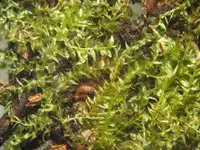
Every few weeks, rinse the moss gently with dechlorinated water in the shade to wash away dust, algae film, and fine debris that can block light and airflow between the tiny shoots.

Fragment Propagation

To expand a patch, tear small tufts by hand instead of cutting, then scatter and press them onto new damp surfaces, as the torn edges stimulate rapid branching and faster carpeting.

Microclimate Screening

Use low edging stones, logs, or shade-tolerant groundcovers around colonies to reduce drying wind and edge exposure, which helps maintain more stable moisture for Oxyrrhynchium hians care.

Foot-Traffic Protection

Place stepping stones or a small barrier around established mats in garden settings, since repeated compression from feet or pets can crush the delicate stems and leave bare, compacted patches that recover slowly.

Common Pests and Diseases

Slugs and snails

This pest commonly grazes on moist moss carpets, shredding shoots and leaving irregular bare patches. Symptoms include silvery slime trails and missing or ragged leaf-tips along the mat edges.

Solution

Hand-pick slugs and snails during damp evenings, use low-toxicity iron phosphate bait around but not on the moss, and reduce nearby hiding spots such as boards or dense debris. In very shaded, wet sites, slightly improving air movement and drainage also makes the habitat less favorable to heavy slug activity without drying the moss completely.

Bryophyte leaf spot

This disease causes small, water-soaked to dark brown spots on moss leaves that merge into diffuse, discolored patches, leading to a thinned and uneven mat. Symptoms include patchy yellowing or browning that spreads outward from a focal area in consistently wet, stagnant sites.

Solution

Remove and discard affected clumps to reduce inoculum, then improve air circulation and avoid persistent waterlogging or overhead irrigation that keeps the moss saturated. In outdoor settings, thinning overhanging vegetation slightly to allow better airflow and intermittent surface drying is usually enough to limit further infection.

Algal overgrowth

This problem appears as a slimy green film over the moss surface, especially on compacted, nutrient-enriched, and constantly wet substrates. Symptoms include dull, slippery patches where the moss loses texture and may weaken or die back under the algal layer.

Solution

Reduce nutrient input from fertilizers or runoff, gently loosen or top-dress the substrate with a thin layer of clean, low-nutrient sand or fine gravel, and increase light and airflow slightly without exposing the moss to strong sun. In containers or terraria, shorten the misting frequency and ventilate more often to discourage excessive surface moisture while still supporting Oxyrrhynchium hians care instructions.

Interesting Facts

Characteristic feathered mats

This species forms loose, glossy green mats with distinctly feathered, somewhat flattened shoots that often sprawl rather than grow upright, helping distinguish it from more rigid pleurocarpous mosses in the field.

Preference for nutrient-rich sites

It commonly colonizes base-rich or nutrient-enriched substrates such as calcareous soils, damp garden banks, and shaded walls, and often increases where there is mild nutrient input from urban runoff or footpaths.

Broad temperate distribution

The species has a wide distribution across temperate regions of Europe and parts of western Asia and North America, where it typically occupies lowland to montane habitats in moist, shaded micro-sites.

FAQs about Swartz's Feather-moss

This species spreads slowly to moderately by creeping stems and spores, usually forming soft mats rather than taking over large areas. It can edge into nearby damp soil, but is rarely considered aggressive in typical garden settings.

Grow Healthy Plants with Botan Care

Keep your plants happy and healthy with plant identification, disease detection, and easy care guidance.

Botan plant care app — identify plants on mobile

Explore More Plants