Adder's-tongue Care (Ophioglossum vulgatum)

Also known as: southern adder's-tongue, Common Adder's Tongue
Adder's-tongue

About Adder's-tongue

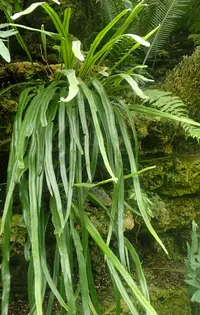
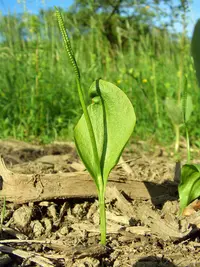
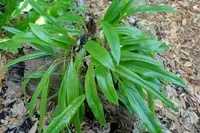
Adder's-tongue (Ophioglossum vulgatum) is a small, unusual fern native to damp meadows, woodland clearings, and marshy ground across parts of Europe and temperate regions. It grows from an underground rhizome and typically shows a single smooth leaf with a central, tongue-shaped fertile spike that carries the spores.

This species prefers cool, shaded, consistently moist sites with humus-rich, undisturbed soil. It has a delicate root system and dislikes disturbance, so it is slow to establish and not easy to move once planted.

Gardeners who care for Adder's-tongue often focus on recreating its natural, stable habitat rather than using intensive care routines.

Main Plant Requirements

Care Difficulty

Hard Care

Light Preference

Partial Shade

Water Requirements

Keep Soil Moist

Temperature Preference

Cool Climate

Hardiness Zone

5–9

Soil Texture

Loamy, Silty, Organic-rich

Soil pH

Acidic (5.5–6.5), Slightly acidic (6.5–7.0)

Soil Drainage

Moist but well-drained

Fertilization

Minimal (feed rarely)

Get Personalized Care Plan

Scan your plant to receive care tips personalized for your specific plant

Available on iOS and Android

How to Care for the Adder's-tongue

This woodland fern prefers soft, filtered light that mimics a shaded forest floor.

  • Provide dappled or light shade with 1–3 hours of gentle morning sun and no harsh midday or afternoon sun, as Adder's-tongue scorches easily.
  • Grow in partial to full shade under deciduous shrubs or trees, where moving foliage creates filtered light through the day.
  • In summer, shield from strong sun; in late winter–early spring, increased light before canopy leaf-out supports healthy frond and fertile spike development.

This species needs consistently moist but not waterlogged soil around its shallow roots.

  • Aim for evenly damp soil; the surface should feel slightly moist, never cracked or powder-dry, before watering again in garden or woodland settings.
  • Ensure humus-rich, well-drained soil; prolonged puddling, sulfur-smelling soil, or limp, yellowing fronds suggest overwatering and poor aeration.
  • During active growth in spring and early summer, prevent the top 1–2 cm drying out completely; in late summer dormancy, allow slightly drier soil while avoiding complete desiccation.

This temperate fern grows best in cool to mild conditions and tolerates typical outdoor climates in much of the US and Europe.

  • Optimal growth occurs around 55–70°F (13–21°C), especially in moist, shaded woodland or meadow sites.
  • Mature plants usually survive short dips to about 20–25°F (-6 to -4°C) under leaf litter or snow cover, but repeated bare-soil freezes can damage buds.
  • Protect from prolonged heat above 80–85°F (27–29°C) by extra shade and soil moisture, as sustained high temperatures with dry soil can cause fronds to collapse or enter early dormancy.

This fern prefers consistently moist air to mimic its natural woodland habitat.

  • Aim for 60–80% humidity, as prolonged air below 40% often leads to browning tips and slow growth in Adder's-tongue.
  • Watch for crisping leaf margins, pale fronds, and stalled new growth as signs of humidity stress.
  • Increase humidity with a nearby humidifier, grouped plants, or a shallow pebble tray under the pot, without letting roots sit in water.

Soil for this fern must stay evenly moist while remaining lightly aerated.

  • Use a fine-textured, loamy mix with high organic matter, such as 2 parts leaf mold or compost to 1 part garden loam and 1 part fine sand.
  • Ensure moisture-retentive but free-draining structure so water does not pool; excess standing water increases rot risk for Ophioglossum vulgatum.
  • Keep pH slightly acidic to neutral (pH 5.5–7.0), avoiding strongly alkaline mixes that reduce nutrient availability.
  • Improve aeration by incorporating fine horticultural sand or small-particle pumice rather than large, chunky bark that dries too fast.

This species can be grown in containers if moisture and root depth are carefully managed.

  • Choose a tall, narrow pot to provide cool, stable moisture around the shallow rhizomes while preventing surface drying too quickly.
  • Select a heavier clay or ceramic container outdoors to reduce rapid evaporation and keep the root zone cooler in summer.
  • Elevate the pot slightly on feet or tiles so drained water clears the base quickly, limiting constant saturation at the drainage holes.

This woodland fern is adapted to low-nutrient soils, so caring for Adder's-tongue usually means very light or no fertilization.

  • If growth seems weak in poor soil, use a balanced, dilute liquid fertilizer (such as 10-10-10) at 1/4 strength.
  • Feed at most 1–2 times during peak growing season in spring–early summer.
  • Avoid fertilizing during dormancy or winter to prevent root stress and soft, weak tissue.

Pruning needs for Ophioglossum vulgatum are minimal and focus on hygiene rather than shaping.

  • Best time is late autumn or very early spring, once fronds have yellowed or collapsed.
  • Use clean, sharp scissors to remove dead, diseased, or badly damaged fronds at the base.
  • Avoid cutting healthy fronds, since they support photosynthesis and spore production.
  • Dispose of diseased material, rather than composting, to reduce fungal and pest carryover.

This species is usually grown in the ground, and transplanting should be infrequent and gentle.

  • Choose early spring, just as new growth begins, to move clumps with minimal shock.
  • Transplant only if growth declines, soil stays waterlogged, or the site becomes too sunny or dry.
  • Lift a generous soil plug to keep the delicate root system and underground structures intact.
  • Replant immediately into moist, humus-rich, shaded soil, then water thoroughly and keep evenly damp.

Propagation of Ophioglossum vulgatum is specialized and usually left to experienced growers or conservation programs.

  • Spore propagation requires sterile technique, warm stable temperatures, and consistently high humidity.
  • Collect mature fertile spikes carefully, then sow spores on sterilized, low-nutrient medium.
  • Gametophyte and young fern stages develop slowly, often over many months to years.
  • Division of wild clumps is generally discouraged because plants are small, slow, and easily damaged.

This hardy fern tolerates typical temperate winters and usually needs no special winter protection in the ground.

  • In cold regions, a 3–5 cm layer of leaf mulch helps insulate the root zone and soil life.
  • Allow fronds to die back naturally, then remove them in late winter if desired for tidiness.
  • Container-grown plants in very cold climates can be sunk into the ground or moved to an unheated, frost-free shed.

Care Tips

Leaf litter mulch

Apply a 2–3 cm layer of fine, unsprayed deciduous leaf litter over the planting area each autumn to mimic woodland conditions, protect the shallow rhizomes, and keep the soil evenly cool and moist.

Discreet area marking

Mark the colony with small stones or low labels at the edges so you avoid treading on or digging into the small, often invisible plants when they are dormant.

Gentle colony expansion

If a colony is stable for several years, lift and divide small clumps in early spring with a narrow knife, keeping as much soil around the roots as possible, then replant divisions only a few cm away to slowly expand the patch without shocking the plants.

Slime and slug control

Use physical barriers like copper tape around pots or rough gravel rings around small outdoor clumps, combined with night-time hand removal, to protect the delicate fertile spikes from slug and snail damage without disturbing soil biology.

Long rest protection

During the long dormant period, leave the soil undisturbed, avoid hoeing or raking, and if needed place a simple mesh cover over the area to prevent pets or wildlife from digging up the underground structures while you are caring for Adder's-tongue.

Common Pests and Diseases

Rust fungus

This disease causes small yellow to orange spots on fronds that later darken and may distort the leaf tissue. Symptoms include premature browning and early dieback of affected fronds in humid, shaded sites.

Solution

Remove and dispose of affected fronds to reduce spore spread, then improve air movement around the plant by thinning nearby vegetation and avoiding overhead watering. If growing Ophioglossum vulgatum in cultivation, keep foliage dry, reduce prolonged leaf wetness, and use a sulfur-based fungicide only if the rust recurs and conditions stay very humid.

Leaf spot

This disease produces irregular brown to black spots on fronds that can merge into larger dead patches, often starting on older leaves. Symptoms include a patchy, scorched appearance while veins may remain green for some time.

Solution

Cut off and discard damaged fronds to remove the main source of infection and avoid wetting foliage when watering. Increase spacing for better airflow, remove dense ground litter around the plant, and if spots continue to appear, apply a low-impact fungicide labeled for ornamental ferns during periods of warm, wet weather.

Slugs and snails

These pests chew holes and ragged edges in the single fertile or sterile fronds, sometimes removing entire young fronds at ground level. This pest is most active in damp, shady conditions that also favor the fern.

Solution

Hand-pick slugs and snails in the evening, use beer traps or rough barriers such as crushed eggshells around clumps, and reduce moist hiding places like thick leaf debris right next to the plants. In heavier infestations, place iron phosphate bait near but not directly on the fern to limit damage to emerging fronds.

Fern aphids

These insects cluster on tender frond bases and undersides, sucking sap and causing mild distortion, yellowing, or sticky honeydew that can attract sooty mold. This pest is more common on cultivated or potted plants than in natural habitats.

Solution

Rinse colonies off with a firm stream of water, repeating every few days until numbers drop. For persistent infestations, treat undersides of fronds with insecticidal soap or a light horticultural oil, applied in the early morning and tested on a small section first to ensure the delicate fronds tolerate it, which supports practical Ophioglossum vulgatum care in controlled settings.

Interesting Facts

Single leaf structure

This fern typically produces just one sterile leaf blade and one fertile spike each year, an unusual growth pattern compared with most ferns that carry multiple fronds at once.

Subterranean life cycle

Its underground gametophytes and early juvenile stages live completely below the soil surface, often in association with mycorrhizal fungi that help supply nutrients in low-light habitats.

Preference for lime-rich soils

In its native range, this species is most often found in moist, unimproved grasslands and meadows over calcareous or base-rich soils, and can decline where intensive agriculture or fertilization alters these conditions.

Botan icon

Did you know?

Chromosome studies have shown that Ophioglossum vulgatum and related species hold some of the highest chromosome numbers known in plants, which has made the genus a classic subject in cytogenetic research.

FAQs about Adder's-tongue

This species spreads slowly by short rhizomes and spores. In gardens it usually forms small, scattered clumps rather than dense carpets. It is unlikely to become a nuisance and rarely needs active containment or division.

Grow Healthy Plants with Botan Care

Keep your plants happy and healthy with plant identification, disease detection, and easy care guidance.

Botan plant care app — identify plants on mobile

Explore More Plants