Rooting Pad Segments
When a pad breaks off, let the cut end callus in a dry, shaded spot for 7–10 days, then half-bury it upright in a gritty mix so only the lower 2–3 cm are covered to root a new plant with minimal rot risk.

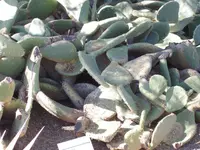
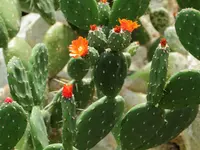
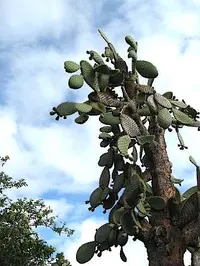
Cuija, Opuntia rastrera, is a low-growing prickly pear cactus native to arid and semi-arid regions of northern and central Mexico. It forms spreading mats of flat, oval pads covered with small spines and bristles.
This species is adapted to strong sun, heat, and poor, rocky soils, which makes it resilient in dry landscapes. Its drought tolerance and slow, compact growth habit can suit outdoor xeriscapes or very bright indoor collections.
Spines and tiny bristles require careful handling, but overall it is a sturdy plant once established. Those who want to learn how to care for cuija mainly need to focus on strong light and fast-draining soil.

Care Difficulty
Easy Care

Light Preference
Full Sun

Water Requirements
Low Water

Temperature Preference
Warm Climate

Hardiness Zone
8–11

Soil Texture
Sandy, Loamy, Rocky

Soil pH
Slightly acidic (6.5–7.0), Slightly alkaline (7.0–7.5)

Soil Drainage
Well-drained

Fertilization
Minimal (feed rarely)
Scan your plant to receive care tips personalized for your specific plant
Available on iOS and Android
This desert cactus needs strong, direct sun to stay compact and healthy.
This species stores water in its pads and prefers infrequent, deep soaking over light, frequent watering.
This low-desert cactus tolerates broad temperature swings but has limits to cold and prolonged extreme heat.
This desert cactus prefers dry air and usually does well in typical indoor humidity.
Opuntia rastrera needs very fast-draining, mineral-heavy soil to prevent root and stem rot.
This species is suitable for container growing when the pot is chosen to support its spreading, heavy pads.
Opuntia rastrera grows well in lean soils and needs only light, targeted feeding in containers or poor ground sites.
Opuntia rastrera benefits from occasional structural pruning to keep pads safe, compact, and healthy.
This species is usually grown in the ground, but container and young plants may need occasional transplanting to maintain vigor.
This cactus is commonly propagated from pad cuttings, with seeds used mainly for larger-scale or genetic diversity projects.
This desert cactus is fairly cold hardy when established, yet young or potted plants benefit from simple winter protection in colder regions.

Plant Health Check
Not sure what's wrong with your plant? Check your plant's health inside the app.
This cactus is a dominant low-growing shrub in parts of the Chihuahuan Desert, forming extensive mats that help define the structure and plant composition of these arid ecosystems.
Dense patches trap wind-blown sediment and organic matter, stabilizing desert soils and helping biological soil crusts persist in otherwise highly erodible habitats.
Its fruits and pads are eaten by native mammals and reptiles in northern Mexico, making it an important local food source in areas with few fleshy plants.
Insufficient light, very poor nutrition, or stress from recent repotting or pruning often reduces flowering. Ensure strong sun, avoid frequent disturbance, and use a low-nitrogen, cactus-specific fertilizer to support healthy buds and repeat blooming.
Keep your plants happy and healthy with plant identification, disease detection, and easy care guidance.