Pilosocereus lanuginosus Care

Pilosocereus lanuginosus

About Pilosocereus lanuginosus

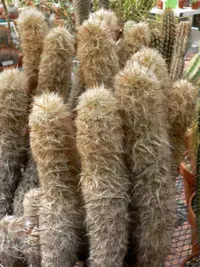
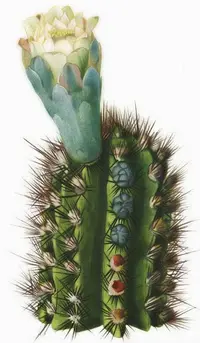
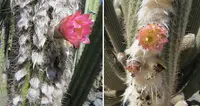
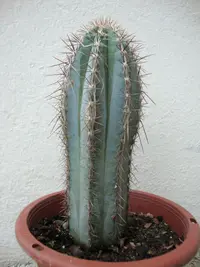
Pilosocereus lanuginosus is a columnar cactus known for its bluish-green stems lined with ribs and clusters of white, woolly hairs along the areoles. It forms tall, upright clumps that can become striking focal points in arid or modern-style plantings.

This species is native to dry regions of South America, where it grows in rocky, well-drained habitats with intense sunlight. Its drought tolerance and slow, steady growth make it reasonably straightforward for experienced succulent growers, but beginners should learn how to care for Pilosocereus lanuginosus to avoid overwatering and root problems.

It prefers bright, direct light, low humidity, and a very free-draining, mineral-rich soil mix that dries thoroughly between waterings.

Main Plant Requirements

Care Difficulty

Moderate Care

Light Preference

Full Sun

Water Requirements

Low Water

Temperature Preference

Tropical / Frost Sensitive

Hardiness Zone

10–12

Soil Texture

Sandy, Loamy, Rocky

Soil pH

Slightly acidic (6.5–7.0), Neutral (7.0)

Soil Drainage

Well-drained

Fertilization

Minimal (feed rarely)

Get Personalized Care Plan

Scan your plant to receive care tips personalized for your specific plant

Available on iOS and Android

How to Care for the Pilosocereus lanuginosus

This columnar cactus needs strong light to maintain compact, healthy growth.

  • Provide 6–8 hours of direct sun daily outdoors; morning sun plus light afternoon shade suits hot, arid or subtropical climates.
  • In very intense summer sun, especially in the US Southwest, protect from harsh mid‑afternoon rays to prevent bleaching or corky sunscald patches on the skin.
  • If stems stretch, lean, or turn dull green, light is too low; move Pilosocereus lanuginosus gradually into a brighter, more open exposure.

This species prefers infrequent, deep watering with thorough drying between soakings.

  • In active growth, water only when the top 3–5 cm of soil are completely dry; in-ground plants in hot climates may need this every 7–21 days, depending on heat and wind.
  • Ensure sharply draining, gritty soil; standing water or heavy clay greatly increases risk of root rot and black, mushy stem bases from overwatering.
  • In fall and winter, reduce watering to just prevent shriveling; slightly wrinkled ribs signal thirst, while soft, swollen tissue indicates excess moisture.

This cactus thrives in warm, arid to semi-arid conditions and is very sensitive to frost.

  • Aim for 70–90°F (21–32°C) during active growth; it tolerates brief heat up to 100–105°F (38–41°C) if roots are shaded and soil is not waterlogged.
  • Protect from cold below 45°F (7°C); tissue damage and scarring can start near 40°F (4°C), especially if combined with wet soil or wind.
  • Absolute minimum is about 32°F (0°C) for very short periods; in regions with freezing winters, treat Pilosocereus lanuginosus as a container plant that can be moved to a frost-free space.

This cactus handles dry indoor air well and rarely needs special humidity adjustments.

  • Target 30–50% humidity, similar to most heated or air-conditioned homes, without aiming for higher levels.
  • Dry tips or shriveling ribs combined with very fast soil drying can signal air that is too dry plus underwatering.
  • Use a pebble tray or group plants only if air is extremely dry below 25%, focusing more on correct watering than added humidity.

This species needs a very fast-draining, mineral-rich mix to prevent root rot and support upright growth.

  • Use a cactus mix amended with extra mineral material, such as 50–70% pumice, perlite, or coarse sand, plus 30–50% lean potting mix.
  • Aim for slightly acidic to neutral pH around 6.0–7.0, avoiding mixes heavily limed for strongly alkaline-loving plants.
  • Ensure the texture stays gritty and open; large particles create air pockets around roots and reduce waterlogging risk.
  • Avoid dense peat-only mixes, clay-heavy garden soil, or any medium that stays wet longer than 3–4 days after watering for Pilosocereus lanuginosus.

This species is well suited to container growing when the pot is stable and fast draining.

  • Choose a deep, heavy pot that resists tipping as the tall column becomes top-heavy in windy or high-traffic areas.
  • Select unglazed terracotta to allow faster evaporation, which helps prevent water from lingering around the roots.
  • Place the container on pot feet or a grill so drainage holes stay clear and water can exit quickly after each watering.

This cactus benefits from light, targeted feeding during the warm growing season to support steady, compact growth.

  • Use a diluted balanced cactus fertilizer (for example 10-10-10 or similar NPK) at 1/4–1/2 strength in spring and summer.
  • Feed every 4–6 weeks only when the plant is actively growing in bright light.
  • Skip compost-heavy mixes and choose low-organic, mineral-based fertilizers to avoid root rot.
  • Stop feeding Pilosocereus lanuginosus in fall and winter, when growth slows or pauses.

Pruning needs are minimal and focus on health and safety rather than shaping this columnar cactus.

  • Carry out any pruning in late spring or early summer, when the plant is actively growing.
  • Remove only dead, diseased, storm-damaged, or dangerously leaning stems using a clean, sharp saw or loppers.
  • Cut stems cleanly at the base or at a branching point, avoiding jagged tears that invite infection.
  • Limit height-control cuts, as removing large stem sections can permanently alter form and flowering sites.

Container-grown plants benefit from occasional repotting, while in-ground specimens of this species are usually left undisturbed.

  • Check for roots circling the pot, emerging from drainage holes, or slowed growth as signs it needs a larger container.
  • Plan to repot every 3–4 years in late spring, using a fresh, gritty cactus mix and a pot just 2–5 cm wider.
  • Handle the stems with thick gloves or folded newspaper, and keep the rootball as intact as possible to reduce stress.
  • After repotting Pilosocereus lanuginosus, keep it dry and shaded for 5–7 days, then gradually reintroduce bright light and normal watering.

This cactus is commonly propagated from stem cuttings or seeds under warm, bright, and dry conditions.

  • Take firm, healthy stem cuttings in late spring or early summer using a sterile, sharp knife.
  • Let cut surfaces dry and callus for 7–14 days in a shaded, airy place before planting.
  • Set callused cuttings upright in a barely moist, sandy cactus mix, and keep warmth around 70–80°F with bright, indirect light.
  • Sow seeds shallowly on sterile, gritty mix, keep slightly moist and warm, and expect slower, more variable germination than cuttings.

Cold protection is important for this frost-sensitive cactus, especially in regions with freezing winters.

  • Avoid exposure to frost; sustained temperatures below about 40°F can damage stems and roots.
  • Move container plants indoors or into a bright, cool, frost-free space for winter.
  • Keep soil almost dry during cold months to prevent rot in slow, dormant roots.
  • In mild climates, use a very light, dry mulch around the root zone, keeping it away from the stem base.

Care Tips

Rotate for symmetry

Turn the pot 90° every 2–3 weeks during active growth so the stem thickens evenly and does not lean permanently toward the strongest light source.

Stabilize tall stems

As the column elongates, use a heavy clay pot and a discreet bamboo or metal stake tied loosely with soft ties to prevent wind or accidental knocks from snapping the main stem at the base.

Manage wool cleanliness

Every few months, use a dry, soft brush or compressed air at low pressure to gently remove dust and debris from the woolly areoles, which helps reduce spider mite hiding spots and improves air circulation around the stem surface.

Winter light boost

In regions with dim winters, place the plant under a full-spectrum LED grow light for 8–10 hours daily to prevent etiolation and maintain compact, sturdy growth when growing Pilosocereus lanuginosus.

Salt buildup control

Once or twice a year, flush the pot thoroughly with plain water until it runs freely from the drainage holes to wash out accumulated fertilizer salts that can burn the shallow root system over time.

Common Pests and Diseases

Mealybugs

This pest feeds on the succulent ribs and areoles, often hiding in the woolly hair and spine clusters where it is difficult to see. Symptoms include white cottony masses, sticky honeydew, and slowed or distorted new growth.

Solution

Isolate the plant, then dab visible insects with cotton swabs dipped in 70% isopropyl alcohol and repeat weekly until no new clusters appear. Improve light and airflow, avoid overfertilizing, and, for heavier infestations, use a labeled systemic insecticide for cacti according to Pilosocereus lanuginosus care instructions.

Spider mites

These insects favor the dry, warm conditions often used for this cactus and can colonize the grooves between ribs and around areoles. Symptoms include fine webbing, dusty-looking skin, and pale, speckled, or bronzed patches on the stems.

Solution

Rinse the stems thoroughly with a firm stream of lukewarm water, then increase humidity slightly and improve ventilation without keeping the soil wet. Treat remaining mites with several applications of insecticidal soap or a horticultural oil labeled for cacti, making sure to coat the rib grooves and woolly areas.

Scale insects

This pest appears as small, hard, brown or gray bumps along ribs and areoles and can blend with the spine bases. Symptoms include yellowing, dull skin, and weak growth due to sap loss.

Solution

Manually remove scales with a soft brush or toothpick, followed by wiping stems with diluted isopropyl alcohol to reach insects under their shells. For persistent cases, apply a systemic insecticide suitable for succulents and repeat as directed to catch newly emerging crawlers.

Corky scab

This disease causes rough, brown, cork-like patches on the lower or more exposed parts of the stems, often where there has been past mechanical damage or sun stress. Symptoms include firm, dry lesions that do not feel soft or wet but may slowly expand.

Solution

Remove only any loose, dead tissue, then keep the plant in bright but not suddenly intense sun and avoid repeated wetting of the stems. Improve airflow, adjust watering so the soil dries fully between waterings, and monitor to distinguish stable corking from any new soft, spreading lesions that could indicate rot.

Stem bacterial rot

This disease enters through wounds or water-saturated tissue and causes soft, water-soaked, dark areas on the columnar stems, sometimes with a foul odor. Symptoms include rapid collapse of sections and a mushy texture under the skin.

Solution

At the first sign, cut away all affected tissue with a sterile knife back into firm, healthy flesh, then let the wound dry and callus in a warm, airy place. Reduce watering, keep water off the stem surface, improve drainage, and dispose of severely affected plants or sections to prevent spread to other cacti.

Interesting Facts

Woolly stem bands

This species develops distinctive pale woolly bands along the ribs where the areoles cluster, creating a strongly banded look that is far more pronounced than in many related Pilosocereus species.

Night-blooming flowers

It produces tubular, usually white to cream flowers that open at night and are adapted for pollination by nocturnal visitors such as moths or bats in its native range.

Neotropical dry-forest native

The species is naturally distributed in seasonally dry, rocky habitats of northern South America and the Caribbean region, where it tolerates high light, heat, and intermittent drought.

FAQs about Pilosocereus lanuginosus

This species thrives outdoors in warm, frost-free climates, where full sun and space allow taller, thicker growth. Indoors it stays smaller and slower. For successful Pilosocereus lanuginosus indoor care, provide maximum light and very sharp drainage.

Grow Healthy Plants with Botan Care

Keep your plants happy and healthy with plant identification, disease detection, and easy care guidance.


Botan plant care app — identify plants on mobile

Explore More Plants