Orbea mcloughlinii Care

About Orbea mcloughlinii

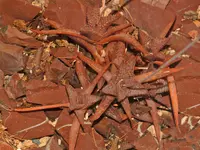
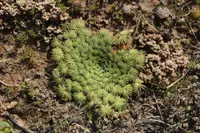
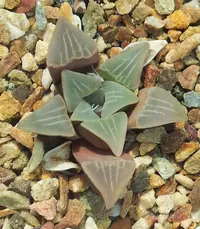
Orbea mcloughlinii is a small, clump-forming succulent from arid regions of southern Africa. It belongs to the stapeliad group, known for star-shaped, often patterned flowers. The stems are low, angular, and usually green to grey-green, forming compact mats over time. Flowers appear near the stem tips and can attract flies as natural pollinators. This species suits growers who appreciate unusual blooms and can provide bright light and very fast-draining soil. Its drought tolerance makes it relatively easy for attentive succulent owners, but it dislikes cold, damp conditions. Learning how to care for Orbea mcloughlinii mainly means avoiding overwatering and giving it enough light and warmth.

Main Plant Requirements

Care Difficulty

Moderate Care

Light Preference

Partial Sun

Water Requirements

Low Water

Temperature Preference

Tropical / Frost Sensitive

Hardiness Zone

10–11

Soil Texture

Sandy, Rocky, Loamy

Soil pH

Slightly acidic (6.5–7.0), Neutral (7.0)

Soil Drainage

Well-drained

Fertilization

Minimal (feed rarely)

Get Personalized Care Plan

Scan your plant to receive care tips personalized for your specific plant

Available on iOS and Android

How to Care for the Orbea mcloughlinii

This succulent favors bright, indirect light with limited direct sun exposure.

  • Provide 4–6 hours of bright, filtered light daily; gentle morning sun is preferable to harsh afternoon rays, especially in hotter regions.
  • Tolerates light, dappled shade, but stems may stretch and colors fade if grown in less than 3–4 hours of strong ambient light.
  • In summer, shield Orbea mcloughlinii from intense midday sun to prevent stem scorch; in winter, move closer to the brightest window or a grow light.

Watering should mimic an arid, sporadic rainfall pattern that allows the roots to dry between soakings.

  • Water only when the top 3–5 cm of soil are completely dry, then soak thoroughly so excess drains away; avoid letting the plant sit in water.
  • In spring and summer, this may mean watering every 10–21 days depending on heat, light, and airflow; in winter, reduce to light sips once every 3–5 weeks.
  • Use a very fast-draining, gritty mix; soft, yellowing, or translucent stems indicate overwatering, while deep wrinkling and shriveling signal underwatering.

This species prefers warm, dry conditions and does poorly in cold, damp environments.

  • Aim for an active growth range of 70–85°F (21–29°C), with acceptable normal variation down to about 65°F (18°C) at night.
  • Avoid temperatures below 45–50°F (7–10°C); prolonged exposure near or below this range greatly increases the risk of rot, and light frost can kill tissues.
  • In hot spells above 95°F (35°C), provide light shade and good airflow; keep Orbea mcloughlinii dry and sheltered from cool drafts and cold rain in autumn and winter.

This succulent handles relatively dry indoor air but prefers slightly raised humidity without staying damp.

  • Aim for 30–50% humidity, which matches most heated homes without extra devices.
  • Dry, wrinkling stems or stalled growth can indicate air that is too dry combined with underwatering.
  • Increase local humidity mildly with nearby pebble trays or grouped plants, but keep foliage and stems free from persistent surface moisture.

This species needs a very fast-draining, airy mix that mimics rocky, sandy ground.

  • Use a cactus or succulent base mix amended with extra mineral material, such as coarse sand, pumice, or perlite, to keep it loose and open.
  • Aim for slightly acidic to neutral pH, around 6.0–7.0, which suits most commercial cactus mixes without modification.
  • Include only a modest amount of organic matter, like fine bark or compost, so the mix does not hold excessive moisture around the roots.
  • Avoid dense, peat-heavy or clay-based soils, which compact, reduce aeration, and greatly increase the risk of root and stem rot for Orbea mcloughlinii.

This species is well suited to container growing because of its compact, clumping habit.

  • Choose a wide, shallow pot so the spreading stems have room while the relatively shallow roots do not sit in a tall column of moist mix.
  • Prefer unglazed terracotta if overwatering is a risk, since its porous walls help evaporate excess moisture from the root zone.
  • Place the container where it cannot tip, as the sideways-spreading stems can create uneven weight and make light pots unstable.

This succulent needs modest feeding to support compact, healthy growth in containers.

  • Use a balanced liquid cactus fertilizer at 1/4–1/2 strength for Orbea mcloughlinii during active growth in spring–summer.
  • Feed every 4–6 weeks only when the soil is warm and the plant is actively growing.
  • Do not fertilize in winter dormancy; keep the soil barely moist and nutrient input minimal.
  • Avoid rich compost or heavy slow-release pellets, which can cause soft, weak stems and root rot.

Pruning is light and mainly focused on sanitation and maintaining a compact clump.

  • In late spring or after flowering, remove dead, shriveled, or rotting stems at the base with clean, sharp scissors or pruners.
  • Thin out crowded, crossing stems to improve airflow and reduce fungal problems in Orbea mcloughlinii.
  • Trim only healthy tissue minimally to refine shape; excessive cutting can slow growth and flowering.
  • Disinfect tools before and after use to limit transmission of bacterial or fungal diseases.

This species prefers a tight pot and only occasional repotting in very free-draining mix.

  • Repot every 2–3 years or when roots circle the pot, growth slows, or the plant becomes top-heavy and unstable.
  • Choose late spring as the best time, using a shallow container with large drainage holes and gritty cactus mix.
  • Lift the plant gently, tease roots lightly, and remove old, soggy soil to reduce the risk of rot in Orbea mcloughlinii.
  • After repotting, keep in bright shade and withhold water for 3–5 days to allow any root damage to callus.

Propagation is commonly done from stem cuttings, with seeds used mainly by specialists or collectors.

  • Take firm, healthy stem cuttings in late spring–summer, cutting at a joint with a clean blade.
  • Allow cut surfaces to dry and callus for 3–7 days in a shaded, airy place before planting.
  • Set cuttings upright in a barely moist, gritty cactus mix and keep warm (70–80°F) with bright, indirect light.
  • Seeds of Orbea mcloughlinii need warmth, very free-draining substrate, and consistent light moisture to germinate.

This plant is not frost hardy and needs careful winter management in cool climates.

  • Keep temperatures above 50°F; brief drops near 40°F can damage stems or roots of Orbea mcloughlinii.
  • Move containers indoors or to a greenhouse before the first frost, providing bright, cool, dry conditions.
  • Water very sparingly in winter, letting soil dry thoroughly between sips to prevent rot.

Care Tips

Shallow pot choice

Use a wide, shallow pot rather than a deep one to let stems sprawl and to keep the relatively shallow roots from sitting in unused, wet lower soil that can promote rot.

Stone top dressing

Add a 0.5–1 in layer of clean aquarium gravel or pumice on the soil surface to keep stems off damp mix, reduce algae and fungus gnats, and visually flag when the substrate has fully dried.

Rot monitoring routine

Inspect the base of stems every 1–2 weeks and promptly cut away any soft, discolored sections with a sterile blade, dusting the wound with dry sulfur or cinnamon to limit rot spread.

Summer outdoor acclimation

If moving the plant outdoors for summer, acclimate it over 7–10 days by starting in bright shade and gradually increasing morning sun exposure to avoid stem scorch and stress.

Systematic offset propagation

Every 1–2 years, detach firm, healthy offsets with at least 2–3 segments, allow them to callus for several days, then root them in barely moist mix to maintain a backup plant and support long-term Orbea mcloughlinii plant care.

Common Pests and Diseases

Mealybugs

This pest feeds on plant sap and appears as white, cottony clusters around stems, leaf bases, and between the angled stems. Symptoms include stunted growth and sticky honeydew that can lead to sooty mold.

Solution

Isolate the plant, then dab visible insects with cotton swabs dipped in 70% isopropyl alcohol and repeat weekly until no new clusters appear. Improve light and airflow, and for heavier infestations use a ready-to-use insecticidal soap or neem oil spray, coating stems and crevices and repeating according to label directions.

Root and stem mealybugs

These insects hide in the potting mix and along the underground portions of the succulent stems, causing slow decline, yellowing, and poor new growth despite apparently normal top growth at first. This pest is common in clustered stapeliads that stay long-term in the same pot.

Solution

Unpot the plant, gently shake or wash off all soil, and inspect roots and stem bases for white cottony patches to remove manually with alcohol-dipped swabs. Discard the old potting mix, repot into fresh, very free-draining cactus/succulent soil, and water sparingly; for ongoing problems, use a systemic insecticide labeled for potted succulents, following dosage carefully.

Fungal stem rot

This disease usually follows overwatering or cold, damp conditions and causes sections of the angled stems to turn soft, brown, and sometimes foul-smelling. Symptoms include rapid collapse of affected stems, often starting at the base or at old wound sites.

Solution

Cut away all soft or discolored tissue back into firm, green stem using a sterile blade, then discard infected parts and allow cut surfaces to dry for 1–2 days before replanting. Reduce watering, keep the plant in warm, bright, well-ventilated conditions, and use a very gritty, fast-draining mix to reduce future infection; a sulfur dust or broad-spectrum fungicide on cut surfaces can further limit spread.

Black fungal spots

This disease shows as small to medium dark spots or patches on stems, sometimes with a slightly sunken or dry surface, and often follows minor mechanical damage or extended dampness on the plant surface. Over time, affected areas can coalesce and weaken that stem segment.

Solution

Remove and discard stems with extensive spotting and keep only firm, mostly unblemished segments. Improve light and airflow, avoid overhead watering, and keep stems dry; in humid conditions, a periodic application of a copper- or sulfur-based fungicide on early spots can help limit spread while adjusting watering and ventilation is the primary long-term control.

Snails and slugs

These pests chew irregular holes and notches in the fleshy stems, especially on plants grown outdoors or in open greenhouses. Symptoms include fresh bite marks, slime trails, and missing flower buds during damp weather.

Solution

Hand-pick snails and slugs during the evening or early morning and remove nearby hiding places such as dense ground cover and debris. Use physical barriers like copper tape around pots or, if damage persists, apply an iron phosphate slug bait around but not on the plant, following label instructions; keeping the area drier at night also reduces activity and supports successful growing Orbea mcloughlinii.

Interesting Facts

Carrion-scented blooms

The star-shaped flowers emit a faint carrion-like odor that attracts specific fly species, which act as pollinators by mistaking the blooms for decaying organic matter.

Distinctive ringed corona

Its flower center has a raised, ring-like corona with patterned lobes, a specialized structure that guides visiting insects and increases the chances of effective pollen transfer.

Stapeliad succulent lineage

This species belongs to the stapeliads, a group of African and Arabian succulents in the Apocynaceae family that evolved fleshy, angular stems and reduced leaves as adaptations to arid habitats.

FAQs about Orbea mcloughlinii

Lack of flowering is usually caused by insufficient light, a pot that is too large, or winter watering that is too generous. Provide bright conditions, a tighter pot, and a cool, drier winter rest to encourage buds.

Grow Healthy Plants with Botan Care

Keep your plants happy and healthy with plant identification, disease detection, and easy care guidance.

Botan plant care app — identify plants on mobile

Explore More Plants