montane dicranum moss Care (Orthodicranum montanum)

Also known as: Mountain Fork-moss, Crispy Broom Moss
montane dicranum moss

About montane dicranum moss

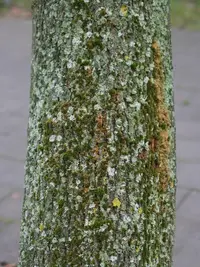
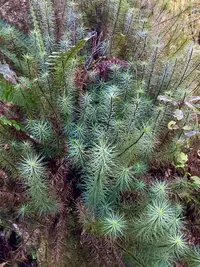
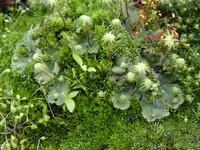
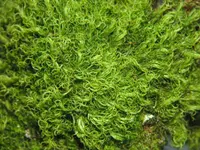
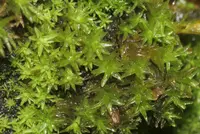
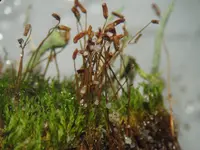
Montane dicranum moss, Orthodicranum montanum, is a small, cushion-forming moss typically found on rotting wood, tree bases, and shaded banks in cool, moist forests. It forms dense, green to yellow-green tufts with slightly curved, upright shoots that give a soft, textured appearance.

This species occurs across montane and temperate regions in Europe, North America, and parts of Asia, usually in humid, shaded microhabitats. Its preference for consistent moisture, shade, and clean air makes it moderately challenging to keep in typical indoor conditions and guides how to care for montane dicranum moss.

Main Plant Requirements

Care Difficulty

Moderate Care

Light Preference

Partial Shade

Water Requirements

Keep Soil Moist

Temperature Preference

Cold Hardy

Hardiness Zone

4–8

Soil Texture

Loamy, Silty, Organic-rich

Soil pH

Strongly acidic (4.5–5.5), Acidic (5.5–6.5)

Soil Drainage

Moist but well-drained

Fertilization

Minimal (feed rarely)

Get Personalized Care Plan

Scan your plant to receive care tips personalized for your specific plant

Available on iOS and Android

How to Care for the montane dicranum moss

This moss prefers cool, shaded woodland light that mimics its natural forest-floor habitat.

  • Provide bright, dappled shade with 1–3 hours of soft morning sun; avoid direct midday or afternoon sun that can scorch and dry the cushions.
  • Site montane dicranum moss under shrubs, open-canopy trees, or beside rocks where it receives filtered light and remains protected from harsh exposure.
  • In summer, increase shade or use taller plants for protection; in winter, leafless canopies usually still give enough low-angle light without overheating.

Orthodicranum montanum thrives in consistently moist, cool substrates without prolonged waterlogging.

  • Aim for moisture similar to a wrung-out sponge; surfaces may look damp but should not have standing water or feel soupy underfoot.
  • Use soil or substrate with good structure and drainage, such as humus-rich woodland soil over mineral ground, so excess water can percolate away after rain.
  • Watch for dull, crisping shoots as a sign of drying and black, mushy patches as a sign of chronic saturation, then adjust exposure and drainage accordingly.

This species is adapted to cool, temperate climates with moderate seasonal temperature shifts.

  • Optimal growth occurs around 45–65°F (7–18°C), typical of shaded forest floors with steady moisture and limited temperature swings.
  • Plants tolerate brief drops near 20°F (-7°C) under snow or leaf litter but can suffer desiccation damage from exposed, freezing winds without insulating cover.
  • Heat above 80°F (27°C), especially with full sun and low humidity, increases stress; provide deeper shade and reliable moisture during hot, dry periods.

This moss prefers consistently moist, high-humidity conditions to maintain dense, green cushions.

  • Aim for 60–90% humidity, especially in enclosed or sheltered plantings, to mimic its montane forest habitat.
  • It tolerates brief dips to 40–50% humidity if the substrate stays evenly moist, but prolonged dry air thins and browns shoots.
  • Crisping tips, dull color, and shrinking cushions signal humidity stress; increase moisture with frequent fine misting, a nearby water tray, or a closed terrarium for montane dicranum moss.

Orthodicranum montanum thrives on cool, moist, well-aerated, organic-rich substrates.

  • Use a loose mix of fine bark, leaf mold or composted forest litter, and a small amount of sand to create a fibrous, humus-rich surface layer.
  • Provide steady, slow drainage so the substrate stays damp but never waterlogged; excess standing water quickly leads to rot and dieback.
  • Target slightly acidic conditions, roughly pH 5.0–6.0, which support moss protonema and rhizoid development while discouraging lime-loving competitors.
  • Avoid compacted, clay-heavy, or strongly alkaline substrates; improve aeration by blending in fine bark chips or rinsed sharp sand and keeping the surface crumbly, not crusted.

This species can adapt to shallow containers when moisture and stability are carefully controlled.

  • Choose a wide, shallow tray or dish that allows the moss to form an even carpet while limiting deep water accumulation.
  • Use a heavy ceramic or stone container outdoors to prevent the lightweight moss mat from shifting or lifting in wind or heavy rain.
  • Create a slight tilt or micro-contours in the container base so excess water drains to one edge, leaving most of the moss on consistently moist, not submerged, substrate.

This moss performs best with minimal feeding, especially when grown on natural substrates or in low-nutrient setups.

  • Use a very dilute balanced NPK liquid fertilizer (about 1/8–1/4 strength) only if growth appears weak in contained culture.
  • Apply during active growth in spring–early fall, no more than every 4–6 weeks to avoid salt buildup.
  • Avoid compost or rich slow-release products, which can encourage algae and competing plants around montane dicranum moss.
  • Stop feeding in winter or dormancy periods, maintaining only stable moisture and gentle airflow.

Orthodicranum montanum needs only light grooming rather than true pruning.

  • Best timing is during active growth in spring or early summer, when recovery is fastest.
  • Pinch or trim away dead, browned, or damaged tufts with small scissors to maintain a clean mat.
  • Remove overcrowded or lifted patches that trap debris, helping keep the cushion dense and even.
  • Use fine tweezers or fingers to pick out leaves and litter, improving airflow and reducing mold risk.

This moss is usually grown on substrate surfaces, so transplanting mats or patches matters more than classic repotting.

  • Transplant when mats lift, dry at the edges, or when growth stalls despite good moisture and light.
  • Best timing is in cool, moist conditions of spring or early fall to limit evaporation and stress.
  • Typically shift or divide every 1–3 years if the patch outgrows its stone, wood, or tray surface.
  • Lift sections gently with a thin spatula, keep the underside moist, press onto a fresh, slightly rough, damp surface, then mist well.

Propagation of Orthodicranum montanum is usually done by dividing and relocating small living patches.

  • In spring or early fall, cut or tear small clumps that include shoots and their underlying rhizoids (fine anchoring filaments).
  • Lay divisions firmly on moist, rough substrate such as bark, rock, or low-nutrient soil, pressing for good contact.
  • Maintain constant, gentle moisture and bright, indirect light to encourage new attachment and spreading.
  • For how to take care of montane dicranum moss from spores, provide sterile, moist medium and very stable humidity, though results are slower and less predictable.

This species is naturally cold hardy across much of its range and generally needs little special winter care outdoors.

  • Tolerates frost and light snow, entering a temporary dry, dormant state when frozen.
  • In containers, avoid deep, repeated freeze–thaw by placing trays in a sheltered, unheated but frost-moderated spot.
  • Keep substrate just slightly moist; do not water heavily onto frozen moss to reduce ice damage risk.
  • Avoid heavy mulch directly on the moss surface; if needed, shield surrounding soil only to limit heaving.

Care Tips

Use shallow substrates

Provide a thin, even layer (0.5–2 cm) of stable substrate such as fine bark, crushed lava rock, or compacted sandy loam so the rhizoids can anchor without being buried, which improves colony stability and long‑term health when growing montane dicranum moss.
Create cool microclimates

Position cultures on the north or east side of structures, near shaded stone, or at the base of larger plants to mimic the naturally cool, sheltered forest microclimate this species prefers.

Control competing growth

Regularly remove germinating tree seedlings, grasses, and broadleaf weeds by pinching or cutting at the base, as these quickly outcompete the moss for light and space if left unchecked.

Minimize foot traffic

Install stepping stones or a defined access route near moss patches and avoid direct walking on the cushions to prevent compression of the shoots and damage to the delicate rhizoids.

Use natural mulched edges

Border moss areas with rotting wood, stone, or coarse bark pieces rather than plastic edging, which helps retain moisture, buffers temperature swings, and provides a more natural, stable environment for colony expansion.

Common Pests and Diseases

Slugs and snails

This pest feeds on soft moss cushions, shredding the shoots and leaving irregular bare patches and slime trails on the surface.

Solution

Hand-pick slugs and snails during damp evenings, use low-profile barriers such as copper tape around containers or terrarium rims, and keep dense leaf litter just around the moss slightly reduced to make hiding spots less favorable while still maintaining the cool, moist habitat needed for growing montane dicranum moss.
Moss mites

These insects are actually tiny arachnids that graze on moss tissue, causing thinning, dull color, and a rough or uneven surface texture in the colony.

Solution

Rinse the moss gently with clean, cool water to dislodge mites, reduce accumulated debris that shelters them, and if populations remain high, apply a mild, moss-safe insecticidal soap spray at low concentration, followed by a thorough fresh-water rinse after a short contact time.

Algal overgrowth

This disease-like condition appears as a smooth green film or slick patches on the moss surface, often following excess nutrients, stagnant water, or too much light.

Solution

Improve drainage and airflow, reduce fertilizer or nutrient-rich runoff, and slightly lower light intensity; gently rinse or brush the moss surface with cool water to remove algal films and avoid letting water stand on the colony for long periods.

Fungal blight

This disease produces brown or blackened moss cushions, often starting in overly shaded, saturated pockets with poor air movement.

Solution

Increase airflow, avoid continuous waterlogging, and carefully remove and discard severely affected clumps; after cleanup, water with a fine mist rather than heavy soaking and, if needed, apply a low-toxicity, broad-spectrum fungicide labeled as safe for mosses, testing on a small area first.

Springtails (overpopulation)

These insects usually act as decomposers but, in very high numbers in closed or very wet setups, can irritate moss surfaces and signal excess organic buildup and saturation.

Solution

Improve ventilation, reduce constant saturation, and rinse the moss with clean water to flush out excess springtails; remove decaying organic material around the colony and, in terrariums, briefly open the container more often to let surfaces dry slightly between waterings while keeping overall humidity moderate to high.

Interesting Facts

Woodland soil indicator

This moss is often used by bryologists as an indicator of relatively undisturbed, moderately acidic, well-drained woodland soils on rotting logs and stumps in temperate Europe and parts of western Asia.

Specialized leaf geometry

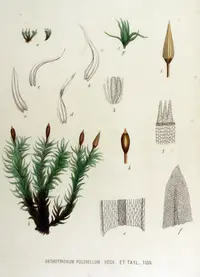
Its leaves are sharply curved and somewhat falcate (sickle-shaped), creating a distinctive tufted, sweeping look that helps channel water along the stem surface during rainfall and dew events.

Preference for decaying wood

The species shows a marked preference for rotten conifer and hardwood logs rather than living bark or bare mineral soil, playing a role in late stages of wood decomposition in forest ecosystems.

Botan icon

Did you know?

Although widely distributed in Europe, Orthodicranum montanum is strongly tied to humid, shaded montane and submontane forests, so its local presence can help researchers map and confirm microrefugia, small cool-moist forest pockets that may buffer biodiversity against regional climate warming.

FAQs about montane dicranum moss

This species usually performs better outdoors in cool, shaded, consistently moist conditions that mimic forest habitats. Indoors it is harder to maintain suitable humidity and airflow, so growth is slower and decline is more common.

Grow Healthy Plants with Botan Care

Keep your plants happy and healthy with plant identification, disease detection, and easy care guidance.

Botan plant care app — identify plants on mobile

Explore More Plants