orthotrichum moss Care (Orthotrichum diaphanum)

Also known as: White-tipped Bristle-moss
orthotrichum moss

About orthotrichum moss

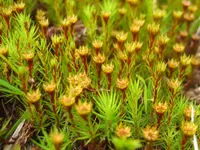
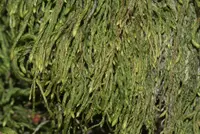
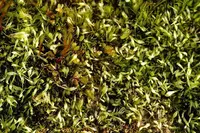
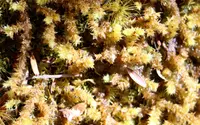
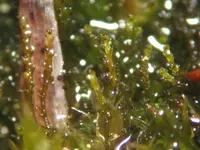
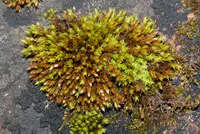
Orthotrichum diaphanum is a small cushion-forming moss commonly found on tree bark, rocks, and old walls. It forms dense, tufted mats with tiny upright shoots and fine leaves. This species is widely distributed in temperate regions, often thriving in urban environments where air quality is moderately good. Its compact growth and slow spread make it suitable for small terrariums and detailed moss displays. Orthotrichum moss prefers cool, humid conditions, gentle air movement, and a stable, lightly shaded position. Once established, it is fairly resilient, so learning how to care for orthotrichum moss is manageable for patient beginners.

Main Plant Requirements

Care Difficulty

Easy Care

Light Preference

Partial Shade

Water Requirements

Keep Soil Moist

Temperature Preference

Cold Hardy

Hardiness Zone

4–9

Soil Texture

Rocky, Loamy, Organic-rich

Soil pH

Acidic (5.5–6.5)

Soil Drainage

Moist but well-drained

Fertilization

Minimal (feed rarely)

Get Personalized Care Plan

Scan your plant to receive care tips personalized for your specific plant

Available on iOS and Android

How to Care for the orthotrichum moss

This moss prefers cool, soft light similar to shaded rock or tree bark habitats.

  • Provide bright shade or dappled light, such as under shrubs or on the north or east side of structures, with no more than 1–2 hours of gentle morning sun.
  • Avoid direct midday or afternoon sun, which can scorch cushions and cause bleaching or crisp, brown tips on orthotrichum moss.
  • In summer, increase shade or use overhead filtering; in winter, slightly more open exposure is acceptable if direct sun remains low-angle.

Watering should mimic light, frequent natural moisture rather than constant saturation.

  • Keep the substrate just moist, not waterlogged; allow the surface to feel barely damp before misting or gently watering again.
  • Increase moisture in warm or windy periods, watching for dull, shriveled cushions as a sign to re-wet, then let excess drain away completely.
  • Reduce watering in cool, shaded seasons but do not let the moss stay bone dry for more than a day or two, especially on exposed stone or bark.

This species is adapted to cool to mild outdoor conditions and tolerates a broad temperature range.

  • Optimal growth occurs around 50–68°F (10–20°C), especially in moist, shaded sites with stable humidity.
  • Plants survive down to about 14°F (-10°C) under natural conditions, though repeated freeze–thaw on exposed stone can damage cushions.
  • Heat above 86°F (30°C) is tolerated only with constant shade and regular moisture; combine shade, airflow, and hydration during hot spells to limit stress on Orthotrichum diaphanum.

This moss prefers moderately moist air but survives in a fairly wide humidity range.

  • Aim for 50–80% humidity, with consistently damp but not waterlogged cushions.
  • Tolerates short dry spells, but fronds crisp, pale, or curled tips indicate low humidity stress.
  • Increase humidity by using a shallow humidity tray, grouped plantings, or fine misting in the morning only.

This species naturally grows on bark, stone, or compact substrates, so a very thin, airy moss layer is preferred over conventional potting soil.

  • Use a mix of fine granite grit or sharp sand with a small amount of composted bark to give texture and anchoring surfaces.
  • Ensure rapid drainage; water should run through within seconds, leaving the substrate barely moist rather than saturated.
  • Keep pH slightly acidic to neutral (pH 5.5–7.0) by avoiding lime-rich gravel or alkaline tap water when possible.
  • Avoid dense peat-based mixes or deep, spongy substrates that stay wet, since they reduce aeration and promote rot.

Orthotrichum diaphanum can be grown in shallow containers if moisture and airflow are carefully balanced.

  • Choose a broad, shallow tray so the moss forms a low mat without deep, stagnant water pockets.
  • Line the base with coarse gravel or broken clay pieces to maintain a thin, moist surface layer over a free-draining foundation.
  • Use unglazed clay or porous stone containers outdoors to moderate moisture swings and prevent overheating of the thin substrate.

This moss species naturally grows on nutrient-poor bark and stone, so orthotrichum moss usually needs no fertilizer in cultivation.

Pruning Orthotrichum diaphanum is usually unnecessary and is limited to light tidying rather than shaping.

Transplanting Orthotrichum diaphanum focuses on moving intact cushions rather than disturbing fine rhizoids.

  • Transplant during cool, moist weather in spring or fall to limit desiccation stress.
  • Move only when growth mats detach easily or the current substrate is crumbling or unstable.
  • Lift moss as intact pads, keeping attached bark or stone, and place onto the new surface with firm contact.
  • Mist thoroughly after placing and keep evenly moist for several weeks to support reattachment.

Propagation of Orthotrichum diaphanum is usually done vegetatively rather than from spores in home settings.

  • Best period is cool, moist spring or fall when evaporation is lower.
  • Gently tear small pads from healthy, pest-free cushions, keeping them as intact as possible.
  • Press pads onto rough, clean bark, stone, or clay surfaces to maximize contact points.
  • Maintain high humidity and frequent light misting until new green tips and firm anchoring appear.

Orthotrichum diaphanum is cold hardy and normally requires no special winter care in outdoor settings.

Care Tips

Substrate Selection

Mount the moss on rough, inert materials like unglazed clay, lava rock, or weathered bark to mimic its natural habitat and encourage firm anchoring of new cushions.


Hydration Cycling

Allow the moss to go through regular moist–dry cycles by misting thoroughly and then letting it dry fully, which supports healthy spore capsule development and reduces rot risk when growing orthotrichum moss.

Airflow Management

Provide gentle, continuous airflow with a small fan set on low to keep leaf surfaces dry between misting while still maintaining local humidity around the colony.

Clean Water Use

Use rainwater, distilled water, or reverse-osmosis water in a fine mist to avoid mineral buildup on the tiny leaves, which can otherwise form a visible white crust and inhibit photosynthesis.

Colony Expansion

Encourage faster spread by carefully pressing small plugs of existing cushions into new crevices on the same mount, keeping them stable and lightly misted until they reattach and begin new growth.

Common Pests and Diseases

Slime moulds

This disease appears as slimy, often brightly colored patches that spread across moss cushions in prolonged wet, stagnant conditions. Symptoms include localized dieback of shoots under the slime layer.

Solution

Gently rinse affected cushions with clean water and improve air movement and drainage around the colony so surfaces dry between wet periods. If patches are heavy, carefully lift and discard the most affected moss, then re-establish clean fragments in a better-ventilated, less nutrient-enriched spot as part of general Orthotrichum diaphanum care.

Algal overgrowth

This problem shows up as a smooth, often green or dark film covering the moss surface, especially on nutrient-enriched, constantly wet substrates. Symptoms include thinning of moss shoots and reduced new growth under the algal layer.

Solution

Reduce constant surface wetness by allowing brief drying intervals and improving runoff, and avoid fertilizer or nutrient-rich runoff on the colony. Lightly rinse or brush the surface with soft water to remove some algae and, if possible, relocate or partially shade the moss to reduce direct polluted water exposure.

Slug and snail grazing

These animals feed on tender moss cushions, leaving ragged patches, missing tufts, and uneven, grazed surfaces. Symptoms include scattered bare spots and small slime trails across hard surfaces near the moss.

Solution

Hand-pick slugs and snails during damp evenings and reduce hiding places such as dense debris or boards close to the moss. Where allowed, use physical barriers like copper tape on small structures or set shallow beer or yeast traps nearby to draw grazers away from sensitive cushions when growing orthotrichum moss.

Fungal leaf spotting

This disease causes small brown to dark patches on moss shoots, often starting in overly shaded, constantly wet microhabitats. Symptoms include localized discoloration and gradual thinning or collapse of affected cushions.

Solution

Improve air circulation and light levels slightly so surfaces dry between rain or misting, and avoid heavy overhead watering in low-light conditions. Remove and discard the most affected clumps, then re-establish healthy fragments in a position with gentle airflow and moderate moisture rather than continuous saturation.

Interesting Facts

Urban wall specialist

This moss is especially common on old walls, concrete, and tree bark in towns and cities, tolerating alkaline and nutrient-poor surfaces better than many other bryophytes.

Distinctive glassy hair-tips

Its leaves have short, pale, almost translucent tips that give patches a frosted or sparkling appearance when dry, which is a key field feature used by bryologists to identify it.

Drying and rehydration tolerance

Like many mosses, it survives repeated cycles of drying and rewetting, but this species is particularly noted for quickly rehydrating and resuming photosynthesis after even brief rain or fog events on exposed substrates.

Botan icon

Did you know?

This species has expanded its range strongly in parts of western and central Europe over the last century, and its increasing abundance on man-made structures is often used by bryologists as an indicator of changing urban air quality and microclimate.

FAQs about orthotrichum moss

Growth is generally slow, with small cushions expanding only a few millimeters per year under natural conditions. In stable, moist, cool environments, it gradually forms thicker pads rather than rapidly spreading carpets or tall growth.

Grow Healthy Plants with Botan Care

Keep your plants happy and healthy with plant identification, disease detection, and easy care guidance.

Botan plant care app — identify plants on mobile

Explore More Plants