obtuseleaf aspen moss Care (Orthotrichum obtusifolium)

Also known as: Blunt-leaved Bristle Moss
obtuseleaf aspen moss

About obtuseleaf aspen moss

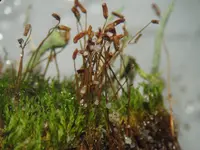
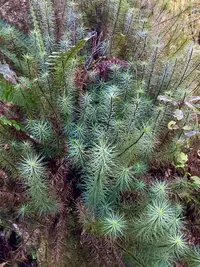
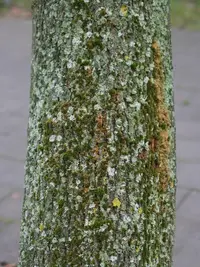
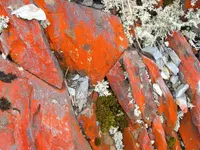
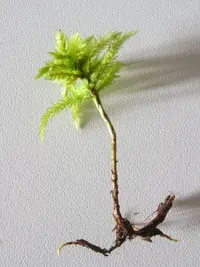
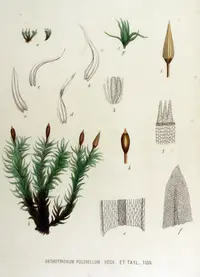
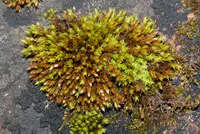
Obtuseleaf aspen moss, Orthotrichum obtusifolium, is a small, cushion-forming moss that typically grows on tree bark, especially poplars and other deciduous trees. It forms dense, tufted mats of short, upright shoots with blunt, closely packed leaves.

This species is native to temperate regions of Europe, Asia, and North America, where it prefers clean air and moderately humid conditions. It is relatively undemanding once established but can be sensitive to very dry air and heavily polluted environments.

For those learning how to care for obtuseleaf aspen moss, stable moisture, cool to mild temperatures, and soft, diffused light are the main factors that influence success under cultivation.

Main Plant Requirements

Care Difficulty

Moderate Care

Light Preference

Partial Shade

Water Requirements

Keep Soil Moist

Temperature Preference

Cold Hardy

Hardiness Zone

3–8

Soil Texture

Rocky, Organic-rich

Soil pH

Acidic (5.5–6.5), Slightly acidic (6.5–7.0)

Soil Drainage

Moist but well-drained

Fertilization

Minimal (feed rarely)

Get Personalized Care Plan

Scan your plant to receive care tips personalized for your specific plant

Available on iOS and Android

How to Care for the obtuseleaf aspen moss

This moss prefers cool, softly lit habitats that mimic shaded tree bark or rock faces.

  • Provide bright, indirect light or light dappled shade, such as under open-canopy trees receiving 1–3 hours of gentle morning sun and no harsh afternoon sun.
  • Tolerates deep shade for parts of the day, but growth becomes sparse if it receives less than 2–4 hours of diffuse daylight overall.
  • Avoid strong midday sun, which can scorch obtuseleaf aspen moss and cause rapid drying; in summer, shield from reflective surfaces and exposed south-facing sites.

This moss relies on frequent surface moisture rather than deep soil watering.

  • Outdoors on bark or rock, aim for consistently damp but not sodden conditions, letting the surface just begin to feel dry before the next soak or misting.
  • Increase misting or gentle hosing in hot, windy, or very sunny weather; reduce frequency in cool, humid, or shaded conditions to prevent prolonged saturation.
  • Watch fronds: crisp, greyed, or tightly curled shoots indicate drying; limp, dark, or slimy patches suggest overwatering or poor drainage beneath the moss layer surrounding Orthotrichum obtusifolium.

This species is adapted to cool–moderate climates with good tolerance of seasonal temperature swings.

  • Supports active growth around 45–68°F (7–20°C), with many populations continuing slowly up to about 72°F (22°C) if humidity stays high.
  • Tolerates brief drops to about 14°F (-10°C) on sheltered bark or rock, especially under snow cover, but repeated freeze–thaw with drying winds can damage exposed cushions.
  • Handles short warm spells up to 77–82°F (25–28°C) if shaded and kept moist; in hotter periods, increase humidity and avoid heat-reflecting hard surfaces to limit stress on Orthotrichum obtusifolium.

This moss prefers consistently moist, cool air with moderate to high humidity.

  • Aim for 60–80% humidity; prolonged exposure below 40% causes foliage to dry and curl.
  • Tolerates short dry spells if the substrate stays slightly damp, but repeated drying weakens cushions.
  • Increase humidity with a nearby open tray of water or fine misting that moistens foliage without leaving it dripping.

For potted culture, Orthotrichum obtusifolium needs a shallow, sharply drained yet moisture-retentive medium.

  • Use a mix such as 50% fine bark or coconut husk chips, 30% leaf mold or peat, and 20% sand or fine pumice.
  • Aim for slightly acidic to neutral conditions, around pH 5.5–7.0, to support steady growth.
  • Keep the mix loose and airy; avoid compaction by handling gently and not pressing the substrate down.
  • Avoid dense, clay-based, or peat-only mediums that stay waterlogged, as these promote rot and smother rhizoids.

This moss is suitable for small, shallow containers, especially trays or bowls designed for moss displays.

  • Choose a broad, shallow pot so the cushions can spread sideways while remaining easy to hydrate evenly.
  • Select a porous container material like unglazed terracotta only if rapid drying is desired in a very wet climate.
  • Elevate the container slightly so drainage holes stay clear and the lower moss layer does not sit against standing water.

This moss grows on nutrient-poor bark and usually needs no added fertilizer in cultivation.

Orthotrichum obtusifolium needs minimal pruning, mainly to keep cultivated cushions tidy and healthy.

  • Trim only browned, dead, or obviously damaged tufts using fine scissors or small snips.
  • Work during active growth in spring so cushions recover and refill bare spots faster.
  • Avoid cutting deeply into green, dense areas; this preserves natural mound shape and photosynthetic surface.
  • Blow or mist away loose debris afterward to limit trapped moisture and decay.

In cultivation, obtuseleaf aspen moss is usually transplanted between substrates rather than repotted in deep containers.

  • Transplant in cool, moist conditions in spring or early autumn to reduce desiccation stress.
  • Lift thin mats gently, keeping as much of the attached bark or rock surface as possible.
  • Press moss fragments onto the new host surface, then mist thoroughly so rhizoids can reattach.
  • Keep in shaded, humid conditions for several weeks, avoiding strong sun or drying winds.

Propagation of Orthotrichum obtusifolium is typically done by division of small cushions rather than by spores in home culture.

  • Divide healthy, moist clumps in spring when growth resumes and humidity is moderate.
  • Tear or cut cushions into small pieces, each with green shoots and some attached substrate.
  • Press sections firmly onto rough bark, rock, or a suitable moss substrate and mist well.
  • Maintain constant, gentle moisture and bright, indirect light until new growth clearly knits fragments together.

This moss is naturally cold hardy across much of its range and generally needs no special winter care outdoors.

  • Container-grown mats can remain outside if temperatures stay above about 10–15°F and do not dry completely.
  • In very exposed sites, shield from harsh winter wind that can desiccate foliage on bare bark or rock.
  • If grown in shallow trays, keep medium barely moist and avoid freeze–thaw cycles that lift or detach cushions.

Care Tips

Use rough substrates

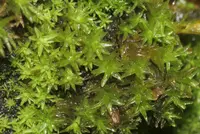
Attach cushions to rough, inert materials like unsealed bark slabs, lava rock, or old brick, since the leafy shoots anchor more reliably and spread faster on textured, stable surfaces than on smooth plastic or metal.

Mimic bark chemistry

If mounting on inert rock, lightly soak the surface in very dilute, unscented rainwater mixed with a pinch of crushed, untreated hardwood bark to encourage a biofilm layer that more closely matches tree bark where this moss naturally grows.

Control splash exposure

Position the colony where it receives fine water splash or drift from nearby irrigation rather than direct spray, which helps keep cushions hydrated without physically flattening or dislodging the delicate sporophytes.

Seasonal hydration shift

In regions with cold winters, allow longer moist periods in cool seasons and slightly drier intervals in hot summer spells, since this species is adapted to peak growth in cool, moist conditions on tree trunks.

Gentle colony division

To expand a healthy patch, lift and divide small intact cushions with a thin blade or spatula and press them firmly but gently onto new prepared substrate, maintaining close contact for several weeks to help them reattach when caring for obtuseleaf aspen moss.

Common Pests and Diseases

Desiccation damage

Symptoms include pale, bleached cushions that become brittle and may detach from bark during extended dry, windy periods. This condition is common when obtuseleaf aspen moss is exposed on sun‑facing trunks or branches without shelter.

Solution

Reduce exposure by providing partial shade or a windbreak if the colony is being monitored or conserved, and avoid scraping or handling dry cushions. Where cultivated or used in displays, maintain stable humidity around 50–70% and rehydrate gradually with fine misting rather than heavy watering to prevent further tissue damage, following general Orthotrichum obtusifolium care instructions in artificial settings.

Air pollution injury

This disease-like stress appears as general thinning of cushions, loss of deep green color, and necrotic (dead) leaf tips in sites exposed to traffic fumes or industrial emissions. This species is pollution‑sensitive, so colonies may decline or disappear in areas with poor air quality.

Solution

Improve conditions by relocating any translocated or cultivated material to cleaner air locations away from roads and chimneys. For conservation sites, avoid adding new pollution sources nearby and monitor colonies, gently misting during dry spells to support recovery where air quality has already improved.

Cushion smothering algae

This disease involves green or dark biofilm-forming algae that overgrow moss cushions, leading to a slimy surface and reduced photosynthesis. This issue occurs on shaded, periodically wet bark where nutrient-enriched water (for example, from runoff) encourages algal dominance.

Solution

Reduce nutrient inputs by avoiding fertilizer overspray, compost leachate, or runoff from treated surfaces above the colony. In controlled or cultivation settings, improve air movement and limit persistent wetness; light mechanical removal with a soft brush under gentle running water can help, but must be done carefully to avoid tearing moss cushions.

Fungal leaf spotting

This disease causes small brown to black spots on leaves, often merging into patches that dull the overall green cushion and can lead to localized dieback in persistently wet, stagnant air conditions. Lesions are usually superficial but may weaken dense mats over time.

Solution

Promote faster drying by improving air circulation around bark surfaces and avoiding overhead wetting in cultivation. If handling is appropriate, remove heavily affected tufts with clean tweezers to reduce inoculum, and keep the substrate only moderately moist rather than constantly saturated to discourage further fungal growth.

Mite grazing

This pest damage appears as fine, irregular thinning of leaf tips and a slightly ragged or dusty look to the cushions, often without visible insects. These microscopic arthropods feed on moss cells, particularly in dry, stressed colonies on exposed trunks.

Solution

Maintain more even moisture through gentle misting during dry weather and avoid full sun exposure that stresses cushions and favors mite buildup. In cultivation or display cases, briefly increase humidity and, if needed, rinse colonies with tepid, low‑pressure water to physically dislodge mites without using harsh chemicals.

Interesting Facts

Specialist on aspen bark

This moss occurs most often on the bark of aspen and other nutrient-rich deciduous trees in cool, humid regions, reflecting its adaptation to mildly base-rich bark chemistry rather than acidic substrates.

Distinctive obtuse leaves

Its leaves have a blunt, rounded tip and become strongly crisped and contorted when dry, then quickly spread out and green up again when rehydrated, which helps reduce water loss between rain events.

Sensitive air quality indicator

Populations of this species tend to decline in areas with higher air pollution, so bryologists often use it as one of several epiphytic mosses to indicate relatively clean, humid forest air.

Botan icon

Did you know?

In much of northern and central Europe, this species has shown noticeable range shifts and local declines over recent decades, and long-term bryological monitoring links these trends to changes in forest management, bark chemistry, and regional air pollution rather than to climate alone.

FAQs about obtuseleaf aspen moss

This species spreads slowly by spores and short lateral shoots, usually forming small, tufted patches. It does not behave aggressively and rarely becomes a nuisance, even on suitable bark or rock surfaces, under normal garden or landscape conditions.

Grow Healthy Plants with Botan Care

Keep your plants happy and healthy with plant identification, disease detection, and easy care guidance.

Botan plant care app — identify plants on mobile

Explore More Plants