Substrate Preparation
Before mounting, rinse bark or stone under running water and soak it for 12–24 hours so fine particles and soluble salts are removed, giving the moss rhizoids a clean, stable surface to anchor to.

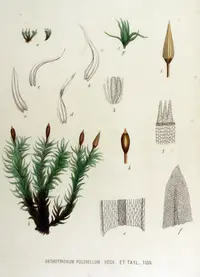
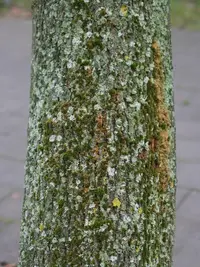
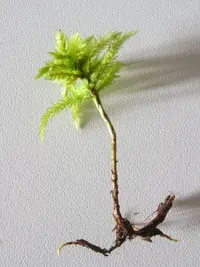
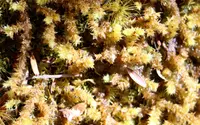
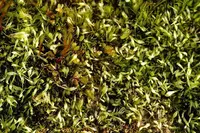
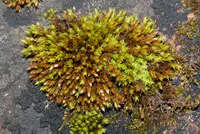
Orthotrichum pulchellum is a small, tuft-forming moss that typically grows on tree bark, rocks, or old walls in cool, moist environments. It forms dense, cushion-like clumps with fine, upright leaves that give surfaces a soft, velvety look.
This species is widespread across temperate regions, especially in areas with clean air and regular rainfall. It is generally considered easy to keep alive if moisture is stable, but it dislikes drying out completely or strong, direct sun.
Those learning how to care for orthotrichum moss should focus on cool conditions, gentle light, and a consistently damp but not waterlogged substrate.

Care Difficulty
Moderate Care

Light Preference
Partial Shade

Water Requirements
Keep Soil Moist

Temperature Preference
Cool Climate

Hardiness Zone
5–9

Soil Texture
Loamy, Rocky, Organic-rich

Soil pH
Acidic (5.5–6.5), Slightly acidic (6.5–7.0)

Soil Drainage
Moist but well-drained

Fertilization
Minimal (feed rarely)
Scan your plant to receive care tips personalized for your specific plant
Available on iOS and Android
This moss prefers soft, indirect light that mimics a shaded woodland or tree trunk habitat.
Moist but not constantly saturated conditions support healthy growth on bark, rocks, or old walls.
This species is adapted to cool, temperate climates with moderate seasonal variation.
This moss prefers consistently moist air but survives brief drier periods if its substrate stays damp.
This species naturally grows on bark or rock, so it prefers a shallow, sharply draining yet moisture-retentive substrate.
This moss can be grown in shallow containers, especially trays or pans, if moisture and drainage are carefully controlled.
This moss generally needs no fertilizer when grown on outdoor bark or stone in clean, mildly moist conditions.
Orthotrichum pulchellum needs almost no structured pruning, only light tidying when needed.
Transplanting Orthotrichum pulchellum focuses on moving small mats rather than conventional repotting.
Propagation of this moss is usually done by dividing and relocating existing cushions rather than from spores at home.
This species is quite cold hardy and usually needs no special winter care outdoors.

Plant Health Check
Not sure what's wrong with your plant? Check your plant's health inside the app.
This moss is considered an indicator of clean air and has expanded its range in parts of Europe as air pollution levels have declined, especially sulfur dioxide from industrial sources.
It commonly colonizes the bark of street and park trees, especially in cool, humid regions, showing a notable tolerance for moderate urban conditions compared with many other epiphytic mosses.
The leaves have short, pale hair points at the tips and a characteristic pattern of teeth along the leaf margins, which bryologists use to separate it reliably from closely related Orthotrichum species.

This species has shifted its distribution over recent decades, becoming more frequent and widespread in several European countries, and is used by bryologists as evidence of long-term improvement in regional air quality rather than climate alone.
Growth is slow to moderate. Small cushions can enlarge a few millimeters per year, forming noticeable patches over several seasons. Rate depends on constant moisture, clean air, stable shade, and minimal physical disturbance or trampling.
Keep your plants happy and healthy with plant identification, disease detection, and easy care guidance.