Clayton's sweetroot Care (Osmorhiza claytonii)

Also known as: hairy sweet cicely
Clayton's sweetroot

About Clayton's sweetroot

Clayton's sweetroot, Osmorhiza claytonii, is a woodland perennial herb native to eastern North America. It naturally grows in rich, shady forests and along moist slopes.

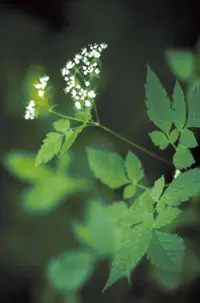
The plant forms clumps of divided, fernlike leaves and slender stems that carry small, white, starry flower clusters in late spring. Its roots and foliage have a sweet, anise-like scent when crushed.

This species prefers dappled shade, consistent moisture, and humus-rich, well-drained soil, which makes it well suited to naturalized shade gardens. Once its needs are understood, it is relatively low-maintenance, and learning how to care for Clayton's sweetroot helps it establish slowly but reliably over time.

Main Plant Requirements

Care Difficulty

Moderate Care

Light Preference

Partial Shade

Water Requirements

Moderate Water

Temperature Preference

Cold Hardy

Hardiness Zone

3–8

Soil Texture

Loamy, Silty, Organic-rich

Soil pH

Acidic (5.5–6.5), Slightly acidic (6.5–7.0)

Soil Drainage

Moist but well-drained

Fertilization

Minimal (feed rarely)

Get Personalized Care Plan

Scan your plant to receive care tips personalized for your specific plant

Available on iOS and Android

How to Care for the Clayton's sweetroot

This woodland perennial prefers cool, filtered light that mimics a forest understory.

  • Provide bright dappled shade or light morning sun with 2–4 hours of direct light, avoiding strong midday and afternoon sun that can scorch foliage.
  • Site Clayton's sweetroot under deciduous trees so it receives brighter light in early spring and more shade once the canopy leafs out.
  • Watch leaf color and texture: pale, crispy leaves suggest excessive sun, while weak, stretched stems indicate too little light.

This species prefers consistently moist, cool soil without becoming waterlogged.

  • Water when the top 2–3 cm of soil feel slightly dry, aiming for evenly moist soil during active spring growth, especially in sandy or fast-draining sites.
  • Use humus-rich, well-drained soil so Osmorhiza claytonii roots do not sit in standing water, which encourages rot and fungal problems.
  • Monitor foliage for cues: wilting and dry, floppy leaves suggest underwatering, while yellowing, soft stems or a sour soil smell indicate overwatering.

This temperate woodland plant is adapted to cool to mild outdoor conditions.

  • Active growth is best at 55–70°F (13–21°C), typical of spring woodland conditions with cool nights and mild days.
  • Dormant crowns survive winter cold down to about 0°F (−18°C) when protected by leaf litter or snow cover.
  • Plants tolerate short warm spells up to about 80–85°F (27–29°C), but extended heat and dry soil increase stress, so shade and soil moisture become more important in midsummer.

This woodland perennial handles typical indoor humidity but benefits from slightly moist air.

  • Aim for 40–60% humidity, similar to a mild woodland understory.
  • Tolerates short dry spells, but very dry heated rooms can cause leaf edges to brown and curl.
  • Increase humidity with a nearby tray of damp pebbles or grouping Clayton's sweetroot with other plants, rather than misting leaves.

Osmorhiza claytonii prefers steadily moist, loose woodland-type soil with high organic matter.

  • Use a loamy mix with 40–60% compost or leaf mold, blended with native garden soil where possible.
  • Ensure moderate drainage; the mix should stay evenly moist but not hold standing water for more than 1–2 hours after watering or rain.
  • Keep pH slightly acidic to neutral, around 6.0–7.0, which supports nutrient availability and healthy root function.
  • Improve aeration and drainage by incorporating shredded bark or pine fines plus a small portion of coarse sand, and avoid heavy clay that compacts when wet.

This species can be grown in containers, but the pot must mimic a cool, moist woodland root zone.

  • Choose a deep pot at least 25–30 cm tall to accommodate its taproot and prevent crowding of finer feeder roots.
  • Use a heavier or wider container to keep the tall, leafy stems stable and reduce tipping in wind.
  • Select a pot material that insulates roots from heat, such as thick plastic or glazed ceramic, to reduce rapid moisture loss in summer sun.

This woodland perennial usually needs minimal feeding when grown in humus-rich soil, so caring for Clayton's sweetroot focuses more on soil health than fertilizer.

  • Use a light top-dressing of garden compost or leaf mold in early spring to refresh nutrients.
  • If soil is poor, apply a diluted balanced liquid fertilizer (around 1/4 strength) once in mid to late spring.
  • Avoid fertilizing during summer dormancy or in winter, as the plant is not actively growing.

Pruning needs for Osmorhiza claytonii are light and mainly focused on tidying and plant health.

  • Cut back dead or winter-burned foliage in early spring with clean hand pruners or scissors.
  • Remove damaged or diseased stems promptly during the growing season to reduce pest and disease risk.
  • Deadhead spent flower stems after seed set if self-sowing is not desired, which maintains a neater clump.

This species is most often grown in the ground, so transplanting young plants is more common than repotting mature clumps.

  • Transplant in early spring or early fall when temperatures are cool and soil is moist.
  • Look for signs such as slow growth or roots circling a pot if grown in containers, then shift to a slightly larger pot.
  • Lift plants with a generous soil ball to keep the taproot intact, minimizing disturbance to fine feeder roots.
  • Water well after transplanting and keep soil evenly moist for several weeks to reduce transplant shock.

Propagation of Osmorhiza claytonii is usually done from seed, with attention to its need for cold stratification.

  • Sow fresh seed outdoors in late summer to fall so natural winter chilling breaks dormancy.
  • For indoor starts, cold-stratify seed in moist medium at 35–40°F for about 8–12 weeks, then sow in trays.
  • Provide bright, indirect light and consistently moist, humus-rich substrate for germination and early growth.

This woodland native is cold hardy in much of its range and usually needs little special winter care in the ground.

  • Tolerates typical freezing temperatures in USDA zones where it is native once established.
  • Apply a light layer of leaf mold or shredded leaves over the root zone in late fall to mimic forest litter.
  • If grown in containers, move pots into a sheltered, unheated area to prevent repeated freeze–thaw of the root mass.

Care Tips

Self-sowing management

Mark the colony edges in late spring and lightly rake or scratch nearby leaf litter after seed drop so viable seed contacts mineral soil and the patch can expand in a controlled direction rather than randomly through the bed.

Companion planting choice

Place plants with similar moisture and shade needs, such as trillium or Solomon's seal, nearby so the shared microclimate remains consistently cool and evenly moist, which stabilizes conditions for growing Clayton's sweetroot over many seasons.

Mulch layering strategy

Build a thin, multi-layered mulch using chopped deciduous leaves over a base of aged bark, which mimics woodland leaf litter, moderates soil temperature, and supports the fungi that this woodland species associates with around its roots.

Slug and snail control

Set out shallow traps or use copper barriers at the front edge of the colony in early spring, when new shoots are most tender, to prevent chewing damage that can sharply reduce the plant’s leaf area for the rest of the season.

Transplant timing and handling

If a clump must be moved, dig and divide only in early spring just as new growth emerges, keeping as much native soil on the roots as possible and replanting at the same soil depth to minimize shock and preserve established mycorrhizal partners.

Common Pests and Diseases

Leaf spot

This disease causes scattered tan to brown lesions on older leaves, often with irregular edges and sometimes a faint yellow halo. Symptoms include premature leaf yellowing and minor thinning of the clump in damp, shaded sites.

Solution

Remove and discard affected leaves to reduce fungal spore levels, and avoid overhead watering so foliage can dry quickly. Improve air movement by thinning surrounding vegetation and, if needed, apply a copper or chlorothalonil-based fungicide labeled for ornamental perennials during prolonged wet periods.

Powdery mildew

This disease produces a white, powdery coating on the upper leaf surface, especially in crowded woodland plantings with limited air movement. Symptoms include dull, distorted foliage and gradual loss of vigor later in the season.

Solution

Cut off and discard heavily coated leaves, then increase air circulation by spacing clumps and reducing dense groundcover nearby. In dry spells, water at soil level rather than over the leaves, and use a sulfur or potassium bicarbonate product labeled for powdery mildew if the problem recurs yearly.

Aphids

These insects cluster on tender stems, petioles, and flower stalks, sucking sap and leaving sticky honeydew that can attract sooty mold. This pest may cause leaf curling, distortion of young growth, and reduced seed set.

Solution

Dislodge colonies with a firm stream of water and pinch off heavily infested shoots if practical. Encourage natural predators such as lady beetles, and, if needed, use an insecticidal soap or horticultural oil sprayed thoroughly on the undersides of leaves and stems, repeating as label directions specify.

Slugs and snails

These pests chew irregular holes in the leaves, often starting at the edges, and leave shiny slime trails on or around plants in damp woodland beds. Symptoms include shredded foliage, especially on young spring growth.

Solution

Hand-pick slugs and snails in the evening, remove nearby hiding places such as boards and dense debris, and use iron phosphate baits placed around but not touching the crowns. Maintaining slightly drier mulch around the plant and reducing thick leaf litter right at the base will also lower feeding pressure.

Interesting Facts

Anise-like root aroma

The roots have a mild anise or licorice scent when crushed, a key field clue that helps botanists distinguish this woodland herb from similar umbellifer species that lack the sweet fragrance.

Specialist bee pollinators

Clayton's sweetroot is visited by a small suite of spring-flying bees, including Andrena and Lasioglossum species, which rely on its early-season nectar and pollen in shaded deciduous forests.

Sticky, hitchhiking seeds

The narrow, ribbed fruits develop minute hooked hairs that cling to animal fur and clothing, allowing the plant to spread through forests by epizoochory, a seed dispersal strategy that uses moving animals as carriers.

Botan icon

Did you know?

Molecular and morphological studies place Clayton's sweetroot within a small North American lineage of Osmorhiza that likely diversified in cool, mesic deciduous forests after the last glacial period, making it a useful species for studying postglacial plant migration in eastern North America.

FAQs about Clayton's sweetroot

This woodland perennial spreads moderately by short rhizomes and self-seeding, forming loose clumps rather than dense colonies. Seedlings may appear nearby, but it is not considered aggressive and is usually easy to manage by thinning.

Grow Healthy Plants with Botan Care

Keep your plants happy and healthy with plant identification, disease detection, and easy care guidance.

Botan plant care app — identify plants on mobile

Explore More Plants