Bulb Storage Rotation
After foliage dies back, lift the dormant tubers from overly wet or heavy soil, let them dry for 1–2 days in shade, then store in a labeled paper bag with some dry potting mix until the next cool season planting.

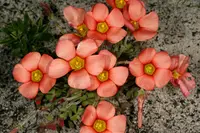
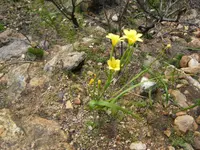
Yelloweye woodsorrel, Oxalis obtusa, is a small, clumping perennial often grown as a seasonal bulb or pot plant. It forms low mounds of trifoliate, clover-like leaves. Bright yellow, open-faced flowers rise just above the foliage, creating a dense, colorful display when in bloom. Plants usually have a compact, tidy habit that suits small containers, rock gardens, and mixed planters.
Oxalis obtusa occurs naturally in parts of South Africa, where it grows in open, sunny, and seasonally dry habitats. It is generally easy to grow if given good light, sharply drained soil, and protection from waterlogging during dormancy. Understanding how to care for yelloweye woodsorrel mainly involves matching its dry-rest and active-growth periods.

Care Difficulty
Moderate Care

Light Preference
Full Sun

Water Requirements
Moderate Water

Temperature Preference
Warm Climate

Hardiness Zone
9–11

Soil Texture
Sandy, Loamy, Organic-rich

Soil pH
Acidic (5.5–6.5), Slightly acidic (6.5–7.0)

Soil Drainage
Well-drained

Fertilization
Light (every 4–6 weeks)
Scan your plant to receive care tips personalized for your specific plant
Available on iOS and Android
Oxalis obtusa thrives in bright, soft light that mimics open woodland or rock garden conditions.
Oxalis obtusa prefers evenly moist but never waterlogged soil, with brief drying between waterings.
This species prefers mild conditions and dislikes both hard frost and extreme heat.
This species grows well in average home humidity if extremes are avoided.
Oxalis obtusa prefers loose, sharply drained substrate that mimics sandy, humus-rich ground.
This bulbous species is well suited to container growing for controlled drainage and seasonal rest.
Oxalis obtusa benefits from light, controlled feeding during its active growth phase.
Pruning Oxalis obtusa is simple and mainly focuses on keeping the clump tidy and flowering well.
Oxalis obtusa forms small bulb-like tubers and only needs repotting or transplanting when crowded or declining.
Multiplying Oxalis obtusa is most reliable through division of its small tubers, with seed use as a secondary option.
Oxalis obtusa is moderately frost tolerant in the ground but benefits from basic winter precautions, especially in containers.

Plant Health Check
Not sure what's wrong with your plant? Check your plant's health inside the app.
This species is native to South Africa’s winter-rainfall regions and grows actively in the cool, wet season, then enters summer dormancy when conditions become hot and dry.
Oxalis obtusa survives drought using small underground tubers that store water and carbohydrates, allowing it to resprout reliably when seasonal rains return.
Cultivated forms show a wide range of flower colors and patterns, from solid yellow or orange to bicolored and banded forms, which has made the species popular among specialty bulb collectors.

In parts of South Africa, Oxalis obtusa forms dense, short-lived spring displays that can color entire patches of veld or garden beds for only a few weeks before the plants retreat underground for the dry season.
This species spreads moderately through small bulbs and sometimes by self-seeding, forming low clumps or patches rather than taking over whole beds. Regular division and removing unwanted seedlings keep it contained and easy to manage in gardens.
Keep your plants happy and healthy with plant identification, disease detection, and easy care guidance.