Mark Dormant Clumps
After the foliage dies back, mark the bulb clumps with discreet tags or stones so you do not disturb them during weeding or bed renovation when the plant is completely underground.

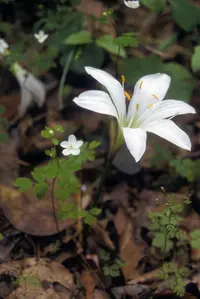
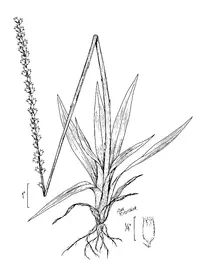
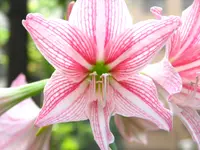
Atamasco lily, Zephyranthes atamasco, is a small bulb-forming perennial from the southeastern United States, often found in moist meadows, woodland edges, and roadside ditches. It produces narrow, grass-like leaves and short stems topped with elegant, white to pale pink, funnel-shaped flowers in spring. The blooms open after rain and give a clean, simple look that suits naturalistic gardens and rain gardens. This species tends to form clumps over time, but stays low and compact, which makes it easy to tuck into mixed borders. It is generally undemanding if given moist, well-drained soil and sun to light shade, so how to care for Atamasco Lily is straightforward for most gardeners.

Care Difficulty
Easy Care

Light Preference
Full Sun

Water Requirements
Regular Water

Temperature Preference
Cool Climate

Hardiness Zone
6–9

Soil Texture
Sandy, Loamy, Silty

Soil pH
Acidic (5.5–6.5), Slightly acidic (6.5–7.0)

Soil Drainage
Moist but well-drained

Fertilization
Minimal (feed rarely)
Scan your plant to receive care tips personalized for your specific plant
Available on iOS and Android
This bulb prefers bright, direct sun for strong flowering and sturdy growth outdoors.
This species needs moisture during active growth but benefits from a drier rest when dormant.
This rain lily prefers mild to warm conditions during its active growing season.
This species tolerates a broad humidity range and rarely needs special humidity management indoors.
This bulb prefers loose, well-drained but moisture-retentive soil that does not stay waterlogged.
This species is well suited to container growing outdoors on patios, balconies, or small gardens.
This native bulb needs only light feeding to support flowering without causing weak, lush growth.
Pruning needs for Zephyranthes atamasco are minimal and focus on cleanliness rather than shaping.
This bulb is most often transplanted in garden beds rather than kept long-term in containers.
Propagation is straightforward and commonly done by bulb division, with seeds as a slower backup method.
In much of its range, this species is hardy and needs only modest attention through winter dormancy.

Plant Health Check
Not sure what's wrong with your plant? Check your plant's health inside the app.
This species often blooms shortly after warm rains in spring, a response linked to soil moisture and temperature that helps synchronize flowering in its native wetland habitats.
It naturally occurs in wet meadows, swamp margins, and seasonally flooded areas of the southeastern United States, showing a strong adaptation to periodically saturated but not permanently submerged soils.
The plant survives unfavorable hot or dry periods as a dormant bulb underground, then resumes active growth when moisture and temperature conditions become suitable for growing Atamasco Lily.

Early European settlers in the southeastern United States noted the mass spring displays of this species so frequently that it became one of the characteristic wildflower icons of coastal plain wetlands in historical botanical writings.
Lack of blooms often comes from insufficient dormancy, overcrowded bulbs, or low light. Allow foliage to die back naturally, avoid overwatering in winter, and divide congested clumps every few years to restore flowering.
Keep your plants happy and healthy with plant identification, disease detection, and easy care guidance.