Site acidity check
Before planting, test soil pH in several spots across the planting area and choose the most acidic location (ideally pH 4.5–5.5), which will reduce chlorosis and keep foliage dense and green when growing sourwood.

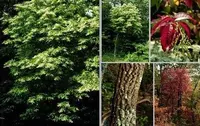
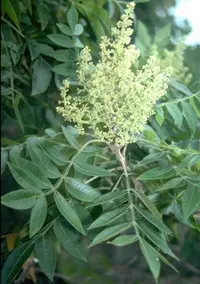
Sourwood, Oxydendrum arboreum, is a small deciduous tree valued for its fine texture, white summer flowers, and strong red fall color. It usually develops a narrow, upright crown and smooth gray bark that becomes lightly ridged with age.
This species is native to the eastern United States, most common in acidic, well-drained woodland soils. It is slow to moderate in growth and can be somewhat particular about soil pH and drainage, which can make it challenging in unsuitable sites.
In general, those who learn how to care for sourwood focus on providing consistent moisture, good drainage, and full sun to light shade for best health and color.

Care Difficulty
Moderate Care

Light Preference
Partial Sun

Water Requirements
Regular Water

Temperature Preference
Cold Hardy

Hardiness Zone
5–9

Soil Texture
Loamy, Sandy, Organic-rich

Soil pH
Strongly acidic (4.5–5.5), Acidic (5.5–6.5)

Soil Drainage
Moist but well-drained

Fertilization
Minimal (feed rarely)
Scan your plant to receive care tips personalized for your specific plant
Available on iOS and Android
This species prefers bright conditions with protection from harsh midday exposure.
Oxydendrum arboreum prefers evenly moist but never waterlogged soil.
This tree thrives in temperate climates with moderate warmth and cool winters.
This species handles typical outdoor humidity in its hardy range and rarely needs special attention.
Oxydendrum arboreum requires consistently moist, acidic, well-aerated soil to establish and grow reliably.
This tree is only marginally suitable for containers and works best in large, heavy outdoor tubs for temporary culture.
This acid-loving native tree needs only light feeding in poor soils, so fertilization for sourwood should be conservative and targeted.
Pruning Oxydendrum arboreum is usually light and focuses on maintaining a healthy, natural form.
This species is seldom kept long-term in containers, so care focuses on careful transplanting of young trees into permanent garden sites.
Propagation of Oxydendrum arboreum is considered slow and challenging, so it is not commonly done by home gardeners.
This deciduous tree is generally cold hardy in its suitable climate range and needs minimal winter care once established.

Plant Health Check
Not sure what's wrong with your plant? Check your plant's health inside the app.
This species is naturally restricted to acidic, well-drained soils of the eastern United States, especially in the Appalachian region, and is rarely found where soil pH is neutral or alkaline.
Its late-summer, nectar-rich flowers are highly valued by beekeepers in the southeastern US, producing a light-colored honey considered distinctive in flavor and often sold as sourwood honey.
The foliage typically turns a vivid red to crimson in autumn, often developing reliable color even in years when many associated hardwoods show weaker seasonal change.
Despite being a member of the heath family (Ericaceae), this tree is one of the few ericaceous species that naturally reaches true tree size in eastern North American forests, where many relatives remain shrubs or small understory plants.
Lack of flowers usually comes from too much shade, young age, or stress from transplanting, drought, or poor soil. Consistent moisture, acidic soil, and patience are key in Oxydendrum arboreum care to encourage reliable flowering.
Keep your plants happy and healthy with plant identification, disease detection, and easy care guidance.