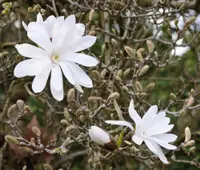
cottonwood Care (Ozothamnus leptophyllus)

Also known as: Tauhinu
cottonwood

About cottonwood

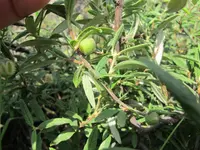
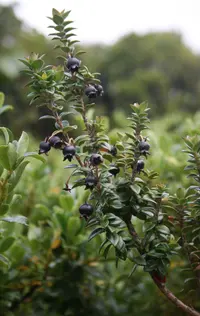
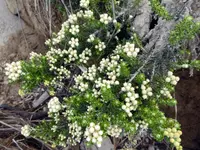
Ozothamnus leptophyllus, often called cottonwood, is an evergreen shrub or small tree from New Zealand, valued for its fine, needle-like foliage and small clustered flowers. It typically forms a dense, upright shape, which makes it useful as a shelter plant or informal hedge in coastal and windy sites.

This species naturally occurs on cliffs, scrublands, and open slopes, so it is adapted to sun, wind, and relatively poor, free-draining soils. It tends to be tough and low-maintenance once established, though young plants dislike waterlogged conditions. Gardeners looking to learn how to care for cottonwood mainly need to provide good light, drainage, and occasional pruning to maintain shape and vigor.

Main Plant Requirements

Care Difficulty

Easy Care

Light Preference

Full Sun

Water Requirements

Low Water

Temperature Preference

Cool Climate

Hardiness Zone

8–10

Soil Texture

Sandy, Loamy, Rocky

Soil pH

Slightly acidic (6.5–7.0), Neutral (7.0)

Soil Drainage

Well-drained

Fertilization

Minimal (feed rarely)

Get Personalized Care Plan

Scan your plant to receive care tips personalized for your specific plant

Available on iOS and Android

How to Care for the cottonwood

This shrub prefers bright, open sites with plenty of direct sun.

  • Provide 6–8 hours of direct sunlight daily; full sun promotes dense growth and abundant flowering.
  • It tolerates light partial shade, especially afternoon shade in hotter regions, but flowering may decrease if it receives under 4–5 hours of sun.
  • In summer, strong reflected heat can scorch foliage, while prolonged low light causes weak, leggy shoots; this applies similarly when caring for cottonwood in exposed sites.

This species prefers free-draining soil and modest moisture once established.

  • Allow the top 3–5 cm of soil to dry before watering; in the ground, this often means deep watering only after a period of no substantial rain.
  • During the first growing season, water when new growth softens or lower leaves start to lose turgor; reduce frequency in cool or wet weather.
  • Signs of excess water include yellowing leaves and stem dieback; ensure sharply draining, gritty soil to avoid root rot, especially in heavy clay.

This plant is adapted to mild, temperate climates with cool winters and warm summers.

  • Optimal growth occurs around 55–75°F (13–24°C), with best flowering in sites that avoid extreme heat and humidity.
  • Mature plants usually tolerate brief drops to about 20–23°F (-6 to -5°C), but repeated hard frosts below this can damage young shoots.
  • In hot summers above 85–90°F (29–32°C), growth may slow; provide mulch to keep roots cooler and avoid planting in heat-trapping pockets.

This species is tolerant of a wide humidity range and usually does not need special humidity management.

  • Aim for 30–50% humidity, similar to typical indoor air in heated homes.
  • The plant tolerates drier air well, so cottonwood indoor care rarely requires misting or humidifiers.
  • Watch for extreme dryness signs such as crispy new tips and accelerated leaf drop near heating vents.

Ozothamnus leptophyllus prefers mineral, sharply drained soil that mimics dry, rocky habitats.

  • Use a gritty mix such as 50–60% sandy or loamy soil with 40–50% coarse materials like pumice, perlite, or fine gravel to prevent waterlogging.
  • Keep pH slightly acidic to neutral (pH 6.0–7.0), avoiding strongly alkaline mixes that can reduce nutrient uptake.
  • Incorporate only modest organic matter, such as a small amount of compost, to avoid overly rich, moisture-holding substrates.
  • Avoid compacted, clay-heavy, or peat-dominated mixes that stay wet for long periods, as these encourage root rot and poor aeration.

This shrub can be grown in containers when drainage and stability are carefully managed.

  • Choose a wide, relatively heavy pot so the plant’s woody top growth does not tip the container in strong wind.
  • Use a raised pot stand or feet so drainage holes stay clear and excess water leaves the mix rapidly after rain.
  • Select unglazed terracotta if possible, as its porous walls help the coarse mix dry between waterings and reduce root problems.

This shrub is adapted to low-nutrient soils and only needs light feeding to maintain steady growth.

  • Use a balanced, low- to medium-strength granular or slow-release fertilizer in early spring, avoiding high-nitrogen lawn products often used for cottonwood.
  • Apply once in spring and, if growth is weak, once more in midsummer during the main growing season.
  • Use fertilizer at 1/2–3/4 the label rate, especially in containers or very free-draining soils.
  • Do not feed in late fall or winter, when growth slows, to prevent soft, frost-prone shoots.

Pruning keeps Ozothamnus leptophyllus dense, compact, and floriferous.

  • Carry out main pruning in late winter or very early spring before active growth starts.
  • Remove dead, damaged, or crossing branches with clean, sharp bypass pruners to maintain an open, healthy framework.
  • Shorten long, leggy shoots by 1/3 to stimulate bushier new growth and more flowering tips.
  • Avoid cutting into old, bare wood; always leave some leafy sections on stems to ensure good regrowth.

This shrub is usually grown in the ground, with transplanting done infrequently and at the right season.

  • Transplant when growth slows, roots densely fill the planting hole, or a container plant shows circling roots through drainage holes.
  • Choose early spring or early fall, avoiding extremes of heat or cold, to reduce stress and improve establishment.
  • Move no more often than every few years, giving each plant a well-drained, permanently sited position.
  • Water deeply before and after transplanting, keep the root ball intact, and shade temporarily if sun or wind is intense.

This species is commonly propagated from semi-hardwood cuttings rather than seed for reliable results.

  • Take 7–10 cm semi-hardwood tip cuttings in late summer or early autumn from healthy, non-flowering shoots.
  • Remove lower leaves, dip the base in a rooting hormone, and insert into a free-draining mix such as 50% perlite and 50% peat-free compost.
  • Maintain high humidity with a clear cover, bright but indirect light, and stable warmth around 65–75°F for rooting.
  • Sow seeds in late winter under cover on a light, sandy mix, barely covering them, and keep evenly moist until germination.

This shrub is moderately cold hardy and usually needs only light winter attention in mild to cool climates.

  • Tolerates light frosts but may suffer in prolonged freezes below the typical hardiness range for the planting region.
  • Apply a 5–8 cm mulch of bark or gravel around the root zone in late fall, keeping it slightly away from stems.
  • In very cold or exposed sites, use a breathable frost cloth around young plants to limit stem damage.
  • Container plants in colder regions can be moved to a cold, bright, sheltered area such as an unheated greenhouse or porch.

Care Tips

Wind-hardening seedlings

If raising plants from seed, expose young plants to increasing air movement outdoors over 7–10 days before planting out, as gradual wind-hardening reduces stem breakage in exposed coastal or hillside sites.

Staggered tip pinching

Lightly pinch just the very tips of selected shoots in late spring and again midsummer to encourage a denser, more wind-resistant framework without sacrificing the plant’s natural airy look.

Renewal pruning cycle

Every 2–3 years, remove a few of the oldest woody stems at the base in late winter to maintain vigor and prevent the shrub from becoming leggy and bare at the center.

Selective staking support

In very windy or new plantings, insert a single sturdy stake on the windward side and attach the main stem with soft ties in a loose figure-eight so the plant can flex while still being protected from uprooting.

Dry-climate mulching

Apply a thin, open-textured gravel or coarse bark mulch around but not touching the stems to reduce soil evaporation while keeping the root collar dry, which is important when growing cottonwood in low-rainfall regions.

Everything About cottonwood

Common Pests and Diseases

Myrtle rust

This disease causes bright yellow powdery pustules on young leaves, stems, and sometimes flower buds, often leading to leaf distortion and dieback of soft growth.

Solution

Prune out and dispose of affected shoots in household trash, avoid overhead watering, and improve airflow around the shrub; in regions where myrtle rust is established, follow local Ozothamnus leptophyllus care guidelines, including use of registered fungicides on high‑value plants and strict hygiene such as cleaning tools and clothing after handling infected material.

Scale insects

These insects appear as small, dome‑shaped bumps on stems and leaf undersides, feeding on sap and sometimes causing sooty mold on the honeydew they excrete.

Solution

Wipe or gently scrub stems with a cloth or soft brush dipped in diluted insecticidal soap or horticultural oil, repeat every 7–10 days until new growth is clean, and prune heavily infested twigs to maintain plant vigor and reduce reinfestation.

Leaf spot

This disease produces small brown or tan spots that may merge into larger blotches on older foliage, especially in humid or poorly ventilated conditions.

Solution

Remove and discard affected leaves, thin dense growth to improve airflow, avoid wetting foliage late in the day, and if spotting persists, apply a suitable ornamental shrub fungicide according to label directions while monitoring for new healthy growth.

Aphids

These pests cluster on shoot tips and young stems, sucking sap and causing distorted new growth, sticky honeydew, and sometimes attraction of ants.

Solution

Spray infested shoots with a strong jet of water to dislodge colonies, then treat remaining aphids with insecticidal soap or horticultural oil, repeating at short intervals and encouraging natural predators such as lady beetles by minimizing broad‑spectrum insecticide use.

Interesting Facts

New Zealand coastal specialist

This species is native almost exclusively to New Zealand and is especially common on windy coastal cliffs and dunes, where its narrow leaves and tough stems help reduce water loss and mechanical damage from salt-laden winds.

Key seral shrub

It often acts as a seral, or early-successional, shrub that quickly colonizes disturbed or open ground, stabilizing soil and creating shelter that allows slower-growing native trees and shrubs to establish over time.

Massed summer flowering

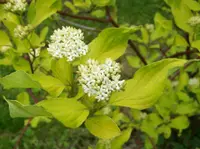
Plants produce many small, creamy-white flower heads in dense clusters, which can almost cover the foliage in summer and provide nectar and pollen for a range of native insects.

Botan icon

Did you know?

Indigenous Māori used the tough, straight stems of Ozothamnus leptophyllus for practical purposes such as walking sticks and tool handles, reflecting the plant’s naturally strong and resilient wood.

FAQs about cottonwood

Lack of flowers usually comes from insufficient light, heavy pruning at the wrong time, or nutrient‑rich, overwatered soil that encourages foliage instead of buds. Ensure full sun, avoid cutting new shoots, and keep soil free‑draining and moderately fertile.

Grow Healthy Plants with Botan Care

Keep your plants happy and healthy with plant identification, disease detection, and easy care guidance.


Botan plant care app — identify plants on mobile

Explore More Plants