woodland peony Care (Paeonia obovata)

woodland peony

About woodland peony

Woodland peony, Paeonia obovata, is a hardy, herbaceous perennial grown mainly for its elegant spring flowers and decorative seed pods. It forms low, leafy clumps that die back in winter and return reliably each year.

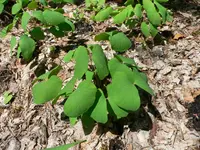
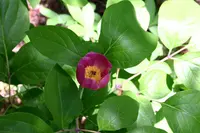
The plant typically bears single, cup-shaped blooms in white to pink shades above divided, often reddish-tinged foliage. After flowering, striking seed capsules with bright seeds add seasonal interest.

Paeonia obovata naturally occurs in woodland and forest edges across parts of East Asia, where it grows in dappled light and humus-rich, moist but well-drained soils. These preferences make it moderately easy to care for woodland peony in cool to mild climates, provided it has stable moisture and protection from harsh afternoon sun.

Main Plant Requirements

Care Difficulty

Moderate Care

Light Preference

Partial Shade

Water Requirements

Moderate Water

Temperature Preference

Cold Hardy

Hardiness Zone

4–8

Soil Texture

Loamy, Silty, Organic-rich

Soil pH

Acidic (5.5–6.5), Slightly acidic (6.5–7.0)

Soil Drainage

Moist but well-drained

Fertilization

Minimal (feed rarely)

Get Personalized Care Plan

Scan your plant to receive care tips personalized for your specific plant

Available on iOS and Android

How to Care for the woodland peony

This shade-tolerant woodland perennial prefers cool, dappled light rather than strong direct sun.

  • Provide 2–4 hours of gentle morning sun with bright dappled or filtered light the rest of the day, similar to a light woodland edge.
  • Allow light partial shade to full shade in hotter regions; woodland peony foliage scorches in strong afternoon sun, especially above 80°F (27°C).
  • In spring, use slightly brighter exposure to support flowering, then give more shade in summer to reduce stress and leaf burn.

This species prefers evenly moist, cool soil that never stays waterlogged.

  • Water when the top 3–5 cm of soil feels dry, aiming for consistently slightly damp soil around the root zone during active growth in spring and early summer.
  • Plant Paeonia obovata in deep, well-drained soil enriched with organic matter so excess water moves away and roots receive both moisture and air.
  • Reduce watering in late summer and fall as growth slows, watching for drooping leaves (too dry) or yellowing, mushy stems and sour smell (overwatering).

This hardy perennial is adapted to cool-temperate climates with cold winters and mild summers.

  • Active growth is strongest around 55–75°F (13–24°C), with cool nights supporting sturdy stems and flower development in spring.
  • Dormant roots tolerate winter lows near 0°F (−18°C) when planted in the ground with mulch, but young plants benefit from 5–8 cm of winter mulch for extra insulation.
  • In summer, plants cope with brief heat up to about 85°F (29°C) if soil stays cool and moist; extended heat above this may cause leaf scorch and earlier dormancy.

This species grows well in average outdoor humidity and typically does not require special humidity management.

Paeonia obovata prefers cool, deep, moisture-retentive but free-draining soil with plenty of organic matter.

  • Use a loamy structure enriched with leaf mold or compost to support steady moisture and nutrient availability.
  • Ensure drainage is moderate to strong so water moves through but the root zone never stays waterlogged for more than a few hours.
  • Aim for slightly acidic to neutral pH, around 6.0–7.0, avoiding highly alkaline or compacted clay conditions.
  • Improve aeration and drainage by working in coarse sand or fine grit, especially in heavier soils prone to puddling.

This species can be grown in containers but performs best long term in the ground.

  • Select a deep, heavy pot that prevents tipping and provides enough vertical space for its fleshy storage roots to develop.
  • Use a free-draining, loam-based potting mix so water drains quickly while still holding some moisture around the root zone.
  • Place the container where rainfall and irrigation do not pool on the soil surface, reducing the risk of crown and root rot.

This woodland peony benefits from modest, focused feeding rather than heavy fertilization.

  • Apply a balanced slow-release fertilizer (around 10-10-10) or well-rotted compost once in early spring, as new growth emerges.
  • Use fertilizer at half the label rate to avoid soft, weak growth and salt buildup in the soil.
  • Top-dress with compost or leaf mold after flowering to support root and bud development for the next season.
  • Stop feeding by late summer and do not fertilize during fall and winter dormancy.

Pruning Paeonia obovata is minimal and aims to keep the clump healthy and tidy.

  • Cut back spent flowering stems to just above the foliage after blooms fade to maintain a neat appearance.
  • In late autumn, remove all dead, yellowing, or diseased foliage at ground level using clean, sharp pruners.
  • Thin out any congested or crossing stems at the base to improve airflow and reduce fungal disease risk.
  • Dispose of removed material rather than composting if disease was present to limit reinfection.

This species is best treated as a long-lived garden perennial that dislikes frequent disturbance.

  • Transplant Paeonia obovata only when necessary, such as poor flowering, overcrowding, or obvious root binding in a container.
  • Schedule any transplanting or division for early fall, allowing roots to establish before winter.
  • Dig widely and deeply to lift the root system with minimal damage, keeping the fleshy roots and buds intact.
  • Replant crowns with buds 3–5 cm below soil level, water thoroughly, and keep soil evenly moist until growth resumes.

Paeonia obovata is usually propagated by division, while seed raising is slower and suited to patient growers.

  • Divide established clumps in early fall, when foliage is declining but soil is still workable.
  • Lift the plant carefully, then separate sections with at least 2–3 buds and several healthy roots.
  • Replant divisions promptly at the same depth, in well-drained soil, and water to settle soil around roots.
  • Sow fresh seeds outdoors in pots or seed beds, allowing natural cold stratification for better germination.

This peony is generally cold hardy and needs only light winter care in most temperate climates.

  • After frost blackens foliage, cut stems back to ground level and discard to reduce disease carryover.
  • Apply a 5–8 cm layer of organic mulch over the root zone, keeping it slightly away from the crown.
  • In very cold or exposed sites, add extra mulch in midwinter, then gradually remove excess in early spring.

Care Tips

Mark Dormant Clumps

Place a durable label or small stone marker where each crown sits in late autumn so you avoid damaging the buds when digging, mulching, or planting nearby during the plant’s long dormant period.

Early Slug Management

As soon as red shoots emerge in spring, ring the clump with a band of wildlife-safe slug bait or a rough grit barrier to protect the tender new growth from chewing damage before it becomes obvious.

Gentle Seed Collection

If you plan to raise plants from seed, wait until the follicle pods just begin to split, then collect them promptly and sow fresh in a cold frame or outdoor seedbed to take advantage of natural winter chilling for better germination.

Woodland Leaf Mulch

Top-dress each autumn with a thin layer of shredded, disease-free deciduous leaves, mimicking natural woodland litter to keep roots cool, improve soil structure, and support beneficial soil life when growing woodland peony.

Careful Division Timing

Only divide mature clumps in early autumn, lifting the crown with a fork, then cutting pieces so each division has at least 3–5 buds and replanting immediately at the same depth to minimize transplant shock.

Common Pests and Diseases

Botrytis blight

This disease often appears in cool, wet spring weather and causes buds to turn brown, fail to open, and stems to develop soft, grey, fuzzy patches. Symptoms include collapsing shoots and flower buds that blacken from the tip downward.

Solution

Remove and discard all blighted buds, stems, and fallen debris promptly, and avoid overhead watering so foliage dries quickly. Improve air circulation around clumps by thinning dense growth and spacing plants, and in severe or recurring cases apply a labeled fungicide in early spring according to Paeonia obovata care instructions.

Peony leaf blotch

This disease, also called red spot or measles, causes purple to reddish spots on leaves and streaks on stems, which can merge into larger blotches later in the season. Symptoms include distorted foliage and weakened plants over time.

Solution

Cut out and discard heavily spotted stems and clean up all fallen leaves at the end of the season to reduce inoculum. Ensure good airflow, keep foliage dry where possible, and use a suitable peony fungicide spray in spring if the problem recurs each year.

Thrips

These insects feed by rasping flower and leaf tissues, leading to silvery streaks, speckling, and deformed or discolored petals. This pest can reduce flowering quality and leave buds looking streaked or bronzed.

Solution

Inspect buds and young leaves regularly and remove heavily damaged flowers. Use a strong water spray to dislodge thrips, encourage natural predators such as lacewings, and, if needed, apply insecticidal soap or a horticultural oil labeled for thrips, targeting the undersides of leaves and developing buds.

Aphids

These insects cluster on tender stems and undersides of leaves, sucking sap and causing curling, distortion, and sticky honeydew that can attract sooty mold. This pest is most common on new spring growth and flower stalks.

Solution

Squash small colonies by hand or wash them off with a firm stream of water, repeating as needed. For larger infestations, use insecticidal soap or horticultural oil, ensuring thorough coverage of shoots and leaf undersides while avoiding treatment during hot, sunny periods to prevent leaf burn.

Botrytis crown rot

This disease affects the base of stems and crowns, particularly in heavy or poorly drained soils, causing shoots to wilt and collapse from the base with brown, decaying tissue. Symptoms include poor emergence in spring and dead eyes where buds fail to sprout.

Solution

Remove and destroy affected stems and any soft, rotting crown tissue, and avoid leaving organic debris packed around the plant base. Improve drainage with raised beds or soil amendments, avoid deep mulching over the crown, and in sites with persistent problems, relocate plants to a well-drained position and use preventative fungicide drenches as labeled for peonies.

Interesting Facts

Spring-emerging woodland herb

This species naturally grows as an understory herb in cool, deciduous forests from eastern Asia, emerging in early spring before the tree canopy fully closes and using that brief high-light window for rapid growth and flowering.

Contrasting seed display

After flowering, its seed follicles open to reveal a striking contrast of shiny dark-blue fertile seeds surrounded by bright red, usually sterile seeds, an arrangement thought to help attract birds that assist in seed dispersal.

Color-shifting flowers

Flower color in this species varies from white to soft pink, and aging flowers often deepen in tone before petals fall, a common trait in woodland peonies that may help signal pollinators toward fresher blooms.

Botan icon

Did you know?

In parts of Japan and China, local floras and Red List assessments treat some wild populations of this species as regionally threatened due to habitat loss and forest alteration, so ex situ cultivation in gardens can play a minor role in conserving its genetic diversity when plants are sourced responsibly.

FAQs about woodland peony

Lack of flowers usually comes from planting too deep, recent division, or insufficient winter chill. Plants also need several years to mature. Avoid heavy fertilizing with high nitrogen, which promotes foliage at the expense of buds when growing woodland peony.

Grow Healthy Plants with Botan Care

Keep your plants happy and healthy with plant identification, disease detection, and easy care guidance.

Botan plant care app — identify plants on mobile

Explore More Plants