


7 min read · 24 Aug 2026
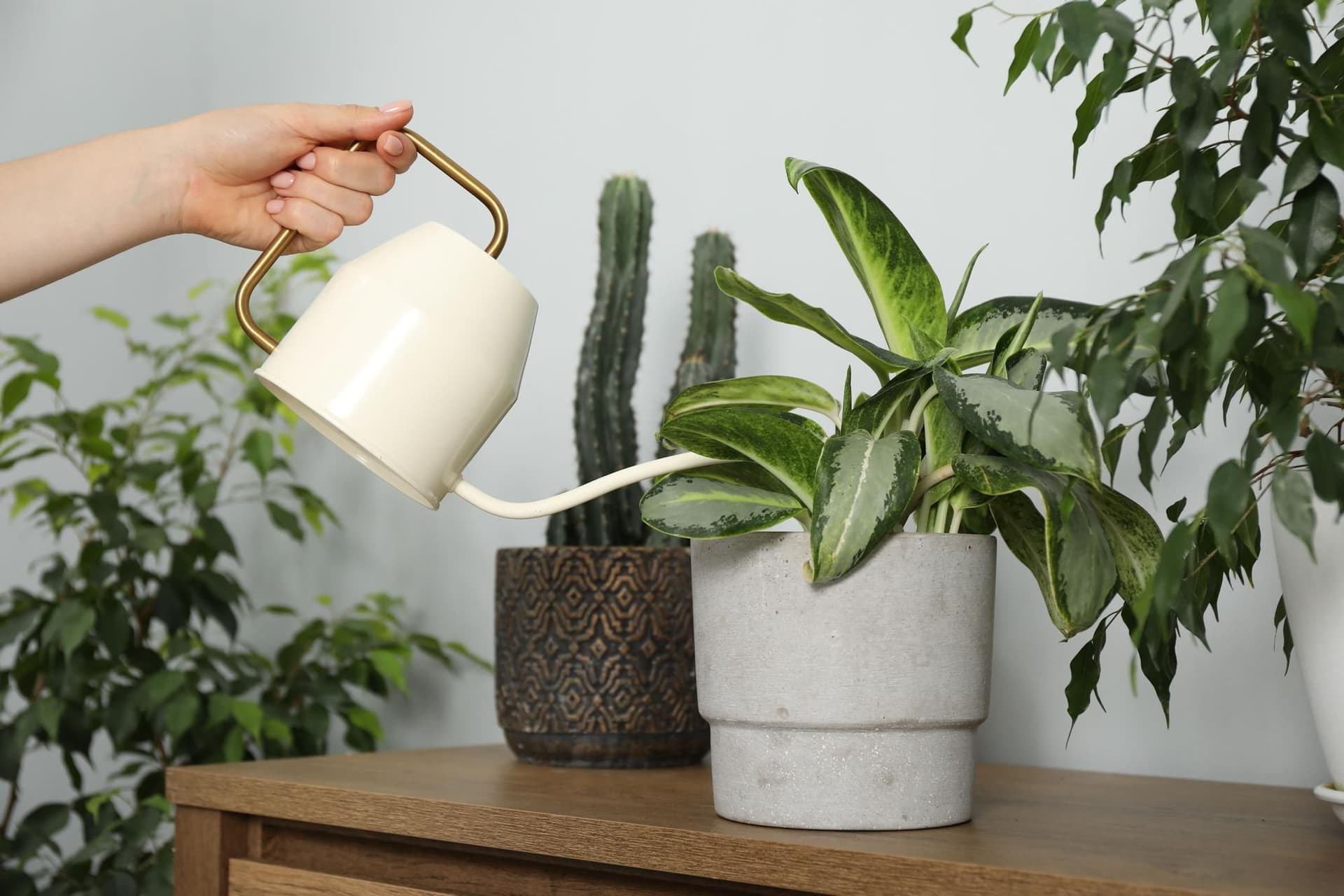
How to Water Houseplants: Watering Guide
Learn how often to water indoor plants, key factors for proper watering, and how to adjust the care routine by plant type, season, pot size, light, and indoor conditions.
Plant Care


Recognize Pallenis maritima by its low, spreading habit, spoon-shaped to narrow leaves packed densely along the stems, and single daisy-like flower heads with broad yellow ray florets around a raised golden center.
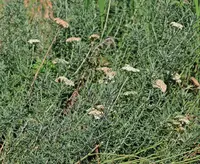
Plants usually stay close to the ground, forming compact mats rather than upright clumps.
Upload a clear image to check whether your plant ID is correct.
Clear images work best. Avoid photos taken too close or too far away
Use these quick checks to spot Pallenis maritima by eye.
The starry bracts beneath the yellow flower head are one of the easiest field marks.
Pallenis maritima shows clear structural shifts from low leafy growth to showy flowering heads.
Pallenis maritima is most distinctive from spring into summer, when bright yellow daisy-like flower heads become conspicuous above the low, gray-green foliage. As flowering progresses, the heads age to a straw-colored, papery look that can remain noticeable after peak bloom, giving patches a drier, seed-setting appearance.
A few yellow, daisy-like coastal plants can be mistaken for Pallenis maritima.
golden samphire(Inula crithmoides)
It shares a low seaside habit and yellow flower heads. The quickest check is the foliage: golden samphire has thick, cylindrical succulent leaves, while this plant has flat, hairy leaves. Its flower heads are also usually smaller and less showy.
sea daisy(Asteriscus aquaticus)
This relative can look similar because both carry yellow daisy heads on low, spreading plants. Sea daisy is usually an annual with thinner stems and narrower leaves, while Pallenis maritima forms a denser, more persistent mound with broader, rough-textured leaves.
Pallenis maritima is native to the Mediterranean region, including southern Europe, North Africa, and nearby islands. It is most often found in coastal habitats, especially sandy or rocky shores, dunes, and other maritime ground. That setting helps with identification because this species is strongly associated with seaside environments rather than inland meadows or woodland. Finding it close to the coast can narrow similar daisy-like plants to a smaller group.
What Plant Is This?
Find out what plant you have and get specific care tips
Use Botan to compare a photo and help identify the plant or confirm the name before you label or buy it.
The quickest clue is its daisy-like yellow flower head with a darker yellow center and a neat ring of long, narrow outer bracts beneath it. For gold coin identification, also note the low, silvery-green mound.
Use a photo to identify it with Botan, then get plant details, care information, and common problems for that species.

7 min read · 24 Aug 2026
Learn how often to water indoor plants, key factors for proper watering, and how to adjust the care routine by plant type, season, pot size, light, and indoor conditions.
13 min read · 28 Jul 2026
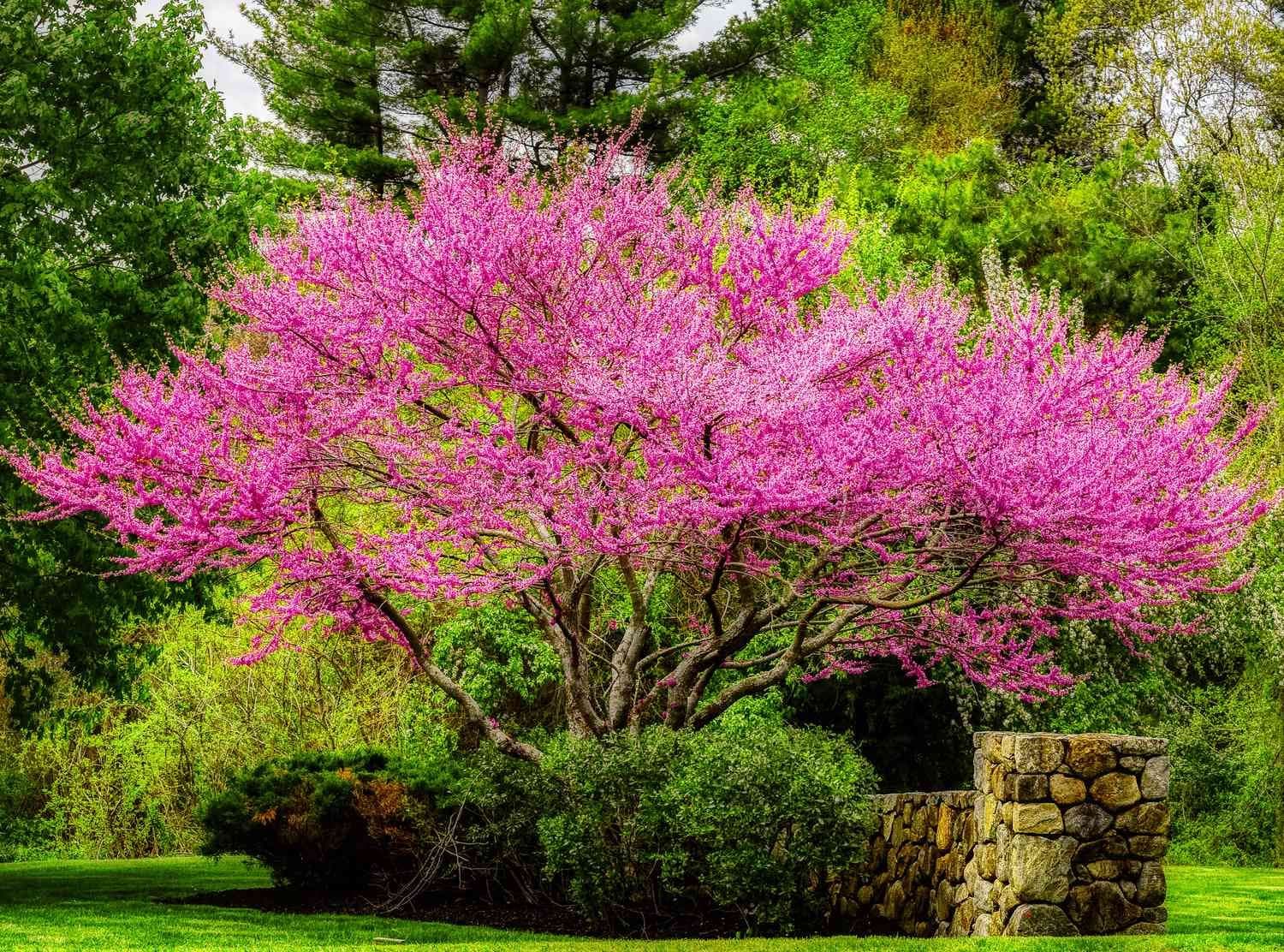
Learn which of the 15 fastest-growing trees will suit your area. We’ll share detailed information on each: growth rate, mature spread, key tree demands, and main vulnerabilities. Read on and make the best choice possible.
7 min read · 13 Oct 2026
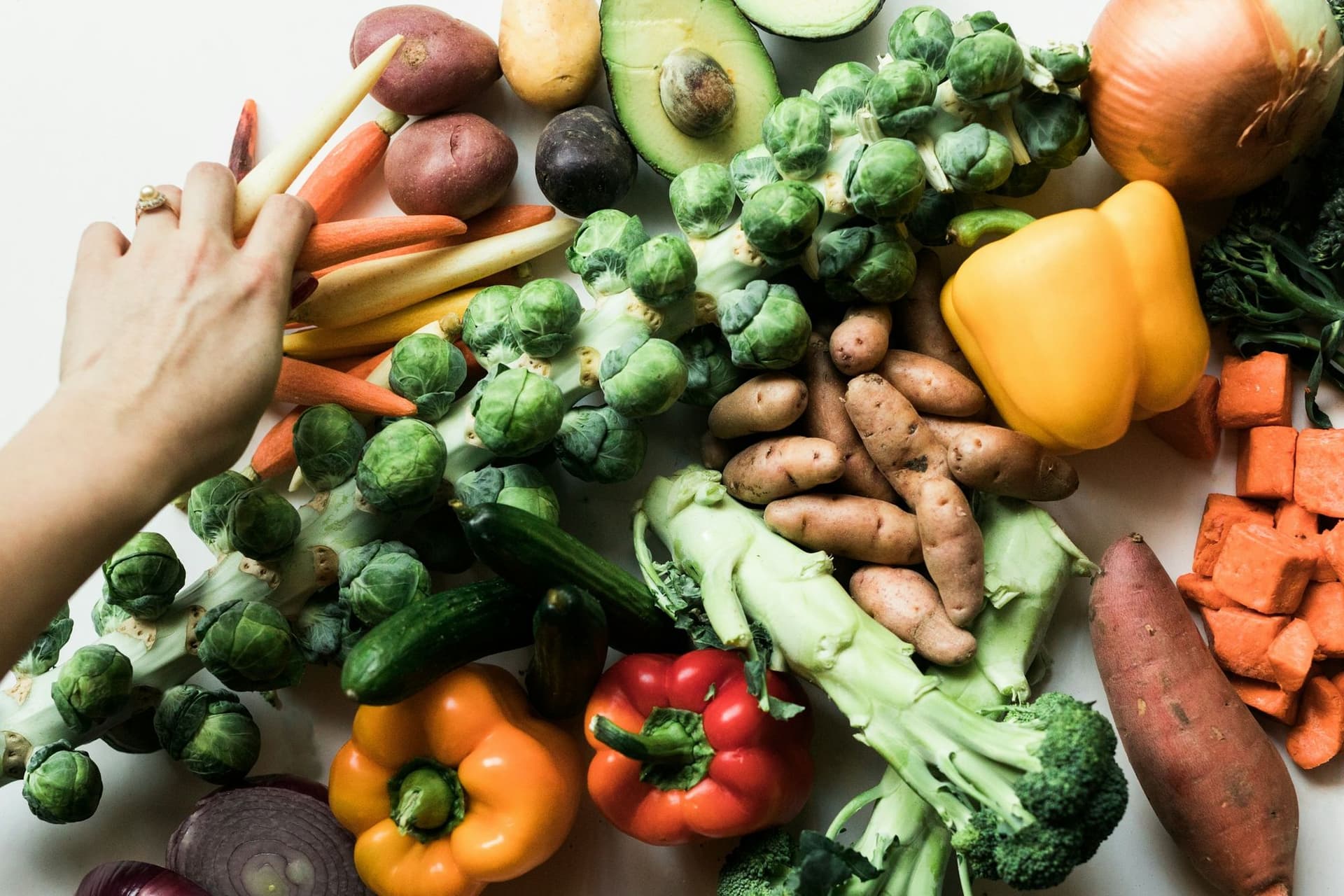
Cold-hardy vegetables can keep a garden productive through chilly fall, winter, and early spring weather. This guide covers 12 reliable crops, their frost tolerance, and practical growing tips for better cold-season harvests.