Dewdrop Mottlegill Care (Panaeolus acuminatus)

Dewdrop Mottlegill

About Dewdrop Mottlegill

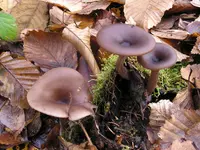
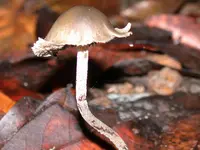
Dewdrop mottlegill, Panaeolus acuminatus, is a small, delicate mushroom rather than a leafy houseplant. It typically has a slender stem and a conical to bell-shaped brown cap, often with darker mottled gills beneath. This fungus commonly appears in grassy areas, pastures, lawns, and sometimes potted soil rich in decomposing organic matter.

It is a saprophytic species, meaning it feeds on dead organic material and helps recycle nutrients. Because mushrooms have very specific moisture and substrate needs, it is not an easy or reliable species to cultivate indoors, and most guides on how to care for Dewdrop Mottlegill focus on identification rather than intentional cultivation.

In nature it prefers consistently moist, nutrient-rich soil and mild conditions, often emerging after rain.

Main Plant Requirements

Care Difficulty

Moderate Care

Light Preference

Partial Shade

Water Requirements

Keep Soil Moist

Temperature Preference

Cool Climate

Hardiness Zone

Unknown

Soil Texture

Loamy, Silty, Organic-rich

Soil pH

Slightly acidic (6.5–7.0), Neutral (7.0)

Soil Drainage

Moist but well-drained

Fertilization

Minimal (feed rarely)

Get Personalized Care Plan

Scan your plant to receive care tips personalized for your specific plant

Available on iOS and Android

How to Care for the Dewdrop Mottlegill

This grassland fungus favors bright, indirect light and mild sun exposure rather than full, intense sun.

  • Provide 2–4 hours of gentle morning sun with light shade or filtered light for the rest of the day to prevent drying of the substrate.
  • Allow partial shade, especially under grasses or low vegetation, as the fruiting bodies of Dewdrop Mottlegill can scorch or shrivel in strong afternoon sun.
  • In summer, shield from prolonged full sun; in cooler seasons, slightly more direct light is acceptable as long as the substrate stays evenly moist.

This species develops best on consistently moist, not waterlogged, organic substrates such as manured grassland.

  • Keep the substrate evenly moist, allowing only the top 1–2 cm to begin drying before rewetting through natural rainfall or gentle irrigation.
  • Use well-drained soil or pasture with good structure so water does not pool; standing water promotes rot and may prevent normal Panaeolus acuminatus fruiting.
  • In hot, dry periods, increase light irrigation and monitor for shriveling caps as a sign of dryness; reduce watering in cool, wet weather to avoid soggy conditions.

This fungus prefers cool to mild conditions and fruits best when temperatures are moderate and moisture is steady.

  • Aim for an active growth and fruiting range around 55–70°F (13–21°C), typical of cool, moist seasons in temperate grasslands.
  • Avoid temperatures below 40°F (4°C), as hard frost can damage or halt fruiting, and prolonged freezing often destroys delicate fruiting bodies.
  • At higher temperatures above 80°F (27°C), shade and steady moisture become critical, as heat and drying winds quickly desiccate the substrate and caps.

This decomposer mushroom tolerates a wide humidity range but fruits best in consistently moist air.

  • Aim for 70–90% humidity around developing caps and gills to support uniform fruiting.
  • Tolerance to brief dry air is moderate, but caps of Dewdrop Mottlegill may crack or stall if humidity drops repeatedly below 60%.
  • Humidity stress shows as shriveled, dull caps; increase moisture by misting the substrate surface lightly and covering trays with vented plastic.

This saprophytic fungus requires a moist, nutrient-rich organic substrate rather than traditional potting soil.

  • Use a loose mix of well-rotted manure, composted straw, and shredded grass or hay to mimic pasture litter.
  • Maintain a structure that stays evenly moist yet not waterlogged; standing water quickly leads to anaerobic, foul-smelling conditions that inhibit Panaeolus acuminatus.
  • Keep substrate pH roughly neutral to slightly alkaline, around 6.8–7.5, by avoiding very acidic peat-heavy materials.
  • Improve aeration and drainage by incorporating coarse straw pieces or chunky wood chips, and avoid compacting the substrate surface.

This species is only moderately suitable for container cultivation under controlled, moist conditions.

  • Choose wide, shallow trays so the substrate layer is 5–10 cm deep, which encourages even colonization and fruiting rather than tall, unstable stacks.
  • Drill multiple small side holes near the lower edges of non-perforated tubs to let excess water escape without drying the upper substrate too fast.
  • Use opaque or dark containers to limit light exposure on colonizing substrate walls, which helps keep moisture more stable across the full mass.

This wild saprotrophic fungus usually needs no fertilizer when grown in nutrient-rich organic substrate.

Panaeolus acuminatus does not benefit from conventional pruning because each mushroom is short-lived and seasonal.

In cultivation, this fungus is managed by renewing substrate rather than traditional repotting.

  • Replace spent substrate when fruiting declines or mycelium growth slows, rather than moving containers to larger pots.
  • Plan changes in late winter or early spring so new substrate is colonized before peak fruiting conditions.
  • Move colonized blocks gently, keeping the mycelium mass intact to limit root-like structure damage.
  • Reduce stress by matching moisture, temperature, and light levels between old and new locations during any transfer.

Propagation of this mushroom is specialized and typically handled by experienced cultivators rather than casual growers.

Outdoors, this species needs no deliberate winter care, as the mycelium and spores persist naturally through seasonal changes.

Care Tips

Clean Substrate Rotation

Use small, disposable trays or boxes and replace the entire fruiting substrate after each major flush to reduce pathogen buildup and keep conditions stable for growing Dewdrop Mottlegill.

Targeted Air Exchange

Provide gentle, brief fanning or low-flow ventilation 2–4 times daily during fruiting to remove excess CO₂ around the mushrooms without letting the substrate surface dry out.

Surface Moisture Management

Mist the air above the tray so droplets fall lightly onto the substrate, then stop once the surface looks evenly damp but not shiny or pooled, preventing aborts and bacterial blotch.

Contamination Monitoring Routine

Inspect the substrate under bright, indirect light every day and immediately remove or discard any tray showing unusual colors, strong odors, or slimy patches to prevent mold and bacteria from spreading.

Harvest Timing Technique

Harvest mushrooms just as caps begin to expand and before the gills darken fully by cutting at the base with a clean blade, which limits substrate disturbance and supports subsequent flushes.

Common Pests and Diseases

Fungus gnat larvae

This pest often appears where Panaeolus acuminatus is grown in consistently wet, nutrient-rich substrates. Symptoms include slow or distorted mushroom development and visible small white larvae in the top layer of the substrate.

Solution

Allow the substrate surface to dry slightly between waterings, use fine sand or a fabric layer on top to reduce egg‑laying, and use yellow sticky traps to capture adults. For heavier infestations, apply a biological control such as Bacillus thuringiensis israelensis (Bti) in irrigation water according to label directions.

Mite infestation

These insects are tiny arthropods that can colonize compost or manure substrates, feeding on developing mycelium and young mushrooms. Symptoms include poor pin formation, misshapen caps, or visible tiny moving dots on the substrate or stems under close inspection.

Solution

Reduce excess moisture and keep the growing area clean, removing old substrate and spent mushrooms quickly. If needed, introduce predatory mites suited for mushroom production or use a labeled miticide that is safe for fungi, following strict dosage and ventilation guidelines.

Bacterial blotch

This disease occurs in very humid, poorly ventilated conditions and causes greasy, yellow to brown spots on caps that may become slimy. Symptoms include localized lesions that can merge, leading to unattractive and decomposing fruiting bodies.

Solution

Improve air circulation, reduce constant surface wetness, and avoid overhead misting directly on caps. Remove and discard affected mushrooms and adjust humidity and watering so surfaces dry between cycles, especially when planning how to take care of Dewdrop Mottlegill in enclosed spaces.

Green mold (Trichoderma)

This disease is caused by aggressive competitor molds that invade manure or compost, forming bright to dark green patches that overrun P. acuminatus mycelium. Symptoms include stunted or absent mushroom production where the green colonies appear.

Solution

Immediately remove and discard contaminated substrate and any nearby heavily affected material to prevent spread. Sterilize tools and trays, improve hygiene during substrate preparation, and if possible pasteurize or sterilize fresh substrate before attempting to grow Panaeolus acuminatus again.

Interesting Facts

Highly dung-specialized habitat

This species is strongly coprophilous, meaning it almost exclusively fruits on herbivore dung, especially from cattle and horses, rather than on general decaying plant litter.

Distinctive sharply pointed cap

Mature fruiting bodies typically show a noticeably acutely conical or sharply pointed cap, often with a darker central umbo that helps distinguish it from similar small Panaeolus species in the field.

Non-bluing, dark-spored species

Unlike some related psychoactive Panaeolus species, its tissues do not bruise blue, and it produces a very dark purplish-black spore print, a key identification feature used by mycologists.

FAQs about Dewdrop Mottlegill

This small dung-loving mushroom is not considered edible and should be treated as inedible. Identification within the Panaeolus group is difficult, and some related species may contain psychoactive or harmful compounds. Avoid intentional consumption or foraging for food.

Grow Healthy Plants with Botan Care

Keep your plants happy and healthy with plant identification, disease detection, and easy care guidance.

Botan plant care app — identify plants on mobile

Explore More Plants