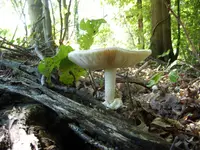
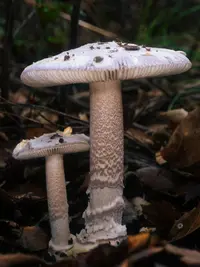
The Goblet Care (Pseudoclitocybe cyathiformis)

The Goblet

About The Goblet

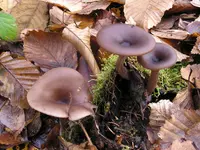
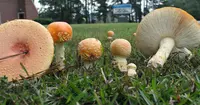
The Goblet, Pseudoclitocybe cyathiformis, is a small saprobic fungus, not a traditional houseplant. It forms gray to brown, goblet-shaped caps with slender stems. Fruiting bodies appear in groups on damp soil or leaf litter.

This species is typically found in woodlands, grasslands, and roadside verges across temperate regions, especially in late autumn. It relies on decaying organic matter, so it does not adapt well to standard indoor pot culture.

Those who attempt to care for The Goblet need stable moisture, cool temperatures, and consistently organic-rich, undisturbed substrate. Its specialized needs make long-term cultivation challenging for most home growers.

Main Plant Requirements

Care Difficulty

Moderate Care

Light Preference

Partial Shade

Water Requirements

Keep Soil Moist

Temperature Preference

Cool Climate

Hardiness Zone

Unknown

Soil Texture

Loamy, Silty, Organic-rich

Soil pH

Acidic (5.5–6.5)

Soil Drainage

Moist but well-drained

Fertilization

Minimal (feed rarely)

Get Personalized Care Plan

Scan your plant to receive care tips personalized for your specific plant

Available on iOS and Android

How to Care for the The Goblet

This woodland fungus prefers low, filtered light that mimics a shaded forest floor.

  • Provide bright shade or dappled light under trees, with no more than 1–2 hours of weak morning sun and full protection from harsh midday and afternoon sun.
  • Choose north or east sides of woodlands or hedges so The Goblet receives indirect light for 4–6 hours while the ground remains cool and moist.
  • Avoid full, open sun, which dries the substrate and scorches fruiting bodies; in deep shade with very little sky exposure, fruiting may be sparse.

This species needs consistently moist, but not waterlogged, soil to produce and maintain fruiting bodies.

  • Aim for evenly damp leaf litter or soil, where the top 2–3 cm feel moist but not muddy when pressed between fingers.
  • Use rich, well‑drained organic material over mineral soil so rain or irrigation drains within a few hours, reducing standing water that can cause anaerobic, sour-smelling patches.
  • In dry spells, irrigate the habitat when the surface looks pale and crumbly; sustained drought halts fruiting, while persistent puddling suggests overwatering or poor drainage for Pseudoclitocybe cyathiformis.

This fungus favors cool to mild conditions typical of autumn woodland habitats.

  • Best fruiting usually occurs around 50–60°F (10–16°C), with mycelium growth continuing slowly from about 40–68°F (4–20°C) in moist, shaded soil.
  • It tolerates brief dips near 32°F (0°C), but prolonged hard frost below 28°F (−2°C) often damages or halts visible fruiting bodies.
  • Sustained heat above 75°F (24°C), especially with dry air, reduces fruiting; a cool, shaded, and consistently moist microclimate buffers temperature swings through the season.

Humidity has little direct impact on this saprophytic fungus when grown or observed outdoors in its natural habitat.

This woodland fungus prefers moist, organic-rich substrates rather than conventional potting soil.

  • Provide a loose, humus-rich layer using well-rotted leaf litter, small wood chips, and a small amount of garden soil to mimic forest floor conditions.
  • Ensure the substrate drains freely yet retains moisture by avoiding compacted clay and by mixing in coarse particles that prevent waterlogging.
  • Maintain slightly acidic to neutral conditions around pH 5.5–7.0, as strongly alkaline substrates can suppress Pseudoclitocybe cyathiformis fruiting.
  • Avoid using sterile, highly fertilized potting mixes, since high mineral salts and low organic debris reduce suitable habitat for fungal mycelium.

This species is not realistically suitable for conventional container growing, as it relies on complex woodland litter and microhabitats that are difficult to reproduce in pots.

This wild saprotrophic fungus gains nutrients from decaying organic matter and usually does not benefit from additional fertilizer in cultivation.

Pseudoclitocybe cyathiformis does not require structured pruning, but basic hygiene helps keep the growing area clean and reduces disease risk.

  • Cut or twist off spent fruiting bodies at the base when caps collapse or decay to limit mold and bacterial growth.
  • Remove obviously diseased or insect-damaged mushrooms promptly and discard them away from the bed or container.
  • Use clean scissors or a sharp knife if harvesting, making smooth cuts that minimize disturbance to the underlying mycelium.

This species is rarely grown in standard pots, so focus on transplanting or renewing the substrate where the mycelium grows.

  • Consider transplanting only when fruiting declines markedly or the substrate is exhausted and no longer breaks down organic matter well.
  • Plan work for cool, moist weather in spring or fall to reduce stress and drying of exposed mycelium.
  • Lift substrate gently in blocks, keeping as much mycelium intact as possible, and move it onto fresh, similar organic material.
  • Water lightly after transplanting to settle the substrate without waterlogging, then maintain steady moisture while new growth re-establishes.

Propagation of Pseudoclitocybe cyathiformis is specialized and usually attempted only by experienced growers or researchers.

This temperate woodland fungus is generally cold hardy and needs little specific winter care once established in the ground.

  • In cold regions, maintain a loose leaf-litter or woodchip layer over the substrate to insulate the mycelium.
  • Avoid deep disturbance of the bed in winter so the fungal network stays protected within the soil and organic layer.

Care Tips

Correct substrate depth

When preparing a bed or tray, keep the organic substrate layer shallow (3–5 cm) over firm, undisturbed soil so the goblet-shaped fruiting bodies can form properly without collapsing or elongating weakly.

Moisture buffering mulch

Apply a thin, loose layer of leaf litter or fine wood chips on top of the inoculated area to buffer surface moisture and reduce drying winds, but keep it airy enough so caps and stems can emerge without deforming.

Gentle harvest technique

To avoid damaging the underlying mycelium network, cut mushrooms at the base with a clean knife instead of pulling them out, and lightly press the disturbed substrate back in place after harvest.

Seasonal microclimate shading

In exposed sites, use low shade cloth or position the bed near low shrubs or grasses to moderate rapid surface drying and temperature swings during the main autumn fruiting period.

Fruiting pattern monitoring

Track the timing, density, and size of fruiting flushes over several seasons; sudden decline or misshapen caps can signal compaction or nutrient depletion in the substrate, prompting renewal of the organic layer to support growing The Goblet.

Common Pests and Diseases

Mycophagous springtails

These insects feed on fungal tissue and spores, often clustering on and around fruiting bodies in damp substrates. Symptoms include pitted, roughened caps and stems and visible small, jumping white or gray insects in the litter layer.

Solution

Reduce excess surface moisture by improving drainage and ventilation in the fruiting area, and avoid overwatering the surrounding substrate. If populations are high, gently remove heavily infested fruiting bodies and use fine mesh or physical barriers to limit access while maintaining high humidity needed for Pseudoclitocybe cyathiformis care instructions.

Fungus gnat larvae

These insects develop in very moist organic matter and can graze on young fungal tissue, leading to deformed or aborted fruiting bodies. Symptoms include soft, collapsing stems, small feeding channels, and tiny black adult gnats flying near the substrate.

Solution

Allow the upper layer of the substrate to dry slightly between heavy misting events and increase airflow without creating direct drafts. Use yellow sticky traps to reduce adult gnats and, if needed, apply a biological control such as Bacillus thuringiensis israelensis (BTI) to the substrate to target larvae without disrupting fungal growth.

Parasitic mold overgrowth

This disease appears as fast-growing, cottony or powdery mold on or around fruiting bodies, competing with and sometimes killing the fungus. Symptoms include stalled or misshapen caps and a visible secondary mold layer that overtakes the colony.

Solution

Promptly remove and discard affected tissue and any obviously contaminated substrate, then thin and aerate the remaining material to improve air exchange. Reduce free water on surfaces, sanitize tools and containers, and, in cultivation, start new cultures from clean spawn if the contamination persists.

Bacterial blotch

This disease causes wet, greasy-looking spots and localized soft rot on caps and stems in overly wet, stagnant conditions. Symptoms include yellow-brown patches, slimy texture, and an unpleasant odor on affected areas.

Solution

Improve air movement around the fruiting site and avoid heavy overhead spraying that keeps surfaces constantly wet. Remove and discard affected fruiting bodies, clean surrounding containers or benches, and maintain high humidity with fine misting or humidifiers rather than direct soaking of the mushrooms.

Interesting Facts

Distinct goblet-shaped cap

Mature fruiting bodies often develop a funnel or goblet-like cap with a central depression, giving rise to the common name The Goblet among foragers and field mycologists.

Late-season fruiting pattern

This species typically fruits in late autumn into early winter in temperate regions, often appearing after many other common woodland mushrooms have disappeared for the season.

Preference for damp leaf litter

It is frequently found in moist, mossy leaf litter of deciduous or mixed woodlands, where it helps decompose fallen leaves and fine woody debris as a saprotrophic fungus.

Botan icon

Did you know?

Molecular studies have shown that this species once placed in the broad genus Clitocybe is phylogenetically distinct enough to warrant its own genus Pseudoclitocybe, illustrating how DNA analysis has reshaped the understanding of many traditional mushroom groups.

FAQs about The Goblet

This mushroom is generally classified as inedible or of very poor culinary value. The flesh is thin, watery, and lacks flavor, and older specimens may accumulate soil contaminants. It is not recommended for consumption or foraging.

Grow Healthy Plants with Botan Care

Keep your plants happy and healthy with plant identification, disease detection, and easy care guidance.

Botan plant care app — identify plants on mobile

Explore More Plants