

Use manured beds
Establish the fungus on well-rotted horse manure mixed with straw in a shaded outdoor bed, as this species fruits most reliably on nutrient-rich, decomposed dung substrates rather than plain garden soil.


Shiny mottlegill, Panaeolus semiovatus, is a small saprotrophic mushroom, not a houseplant, most often found in pastures, lawns, and manure-rich soils. It appears as pale to yellowish-brown, egg-shaped to bell-shaped caps with dark mottled gills and a slender, pale stem.
This fungus commonly occurs in temperate regions and often pops up after rain, especially where livestock are present. It grows quickly, then collapses within a short time, so fruiting bodies are short-lived.
Because it relies on decomposing organic matter and very specific moisture and substrate conditions, it is not an easy species to cultivate intentionally. Most growers do not actively care for Shiny Mottlegill and instead encounter it as a spontaneous lawn or pasture mushroom.

Care Difficulty
Moderate Care

Light Preference
Partial Shade

Water Requirements
Keep Soil Moist

Temperature Preference
Warm Climate

Hardiness Zone
Unknown

Soil Texture
Loamy, Organic-rich

Soil pH
Slightly acidic (6.5–7.0)

Soil Drainage
Moist but well-drained

Fertilization
Minimal (feed rarely)
Scan your plant to receive care tips personalized for your specific plant
Available on iOS and Android
This fungus prefers gentle, indirect light rather than full, exposed sun.
Moist, well-drained organic substrate is essential for healthy development of this dung-loving fungus.
This species favors mild, temperate conditions with no exposure to frost.
Humidity is only a minor factor for Panaeolus semiovatus, which usually develops outdoors in open air.
This fungus fruits best on moist, nutrient-rich organic substrates rather than standard potting soil.
This species is not well suited to decorative container culture and is usually grown only in experimental or specialized setups.
This wild saprotrophic fungus generally does not need added nutrients when grown outdoors in rich organic substrates.
Pruning is not a standard practice for the mushroom-forming fungus Panaeolus semiovatus and is generally unnecessary.
This species is usually managed by renewing or relocating its organic substrate rather than traditional repotting.
Reproduction of this mushroom is primarily through spores and managed mycelium rather than typical plant propagation methods.
Outdoor mycelium in the ground or manure piles is fairly cold tolerant and usually needs little specific winter care.

Plant Health Check
Not sure what's wrong with your plant? Check your plant's health inside the app.
This species grows almost exclusively on or near herbivore dung, especially horse manure, playing a role in breaking down nutrient-rich waste in pastures and stable areas.
Mature fruiting bodies have a smooth, often shiny, pale yellowish to ochre cap with a darker center and a persistent ring on the stem, helping distinguish it from many similar brown dung fungi.
The gills turn from gray to black as spores mature, and the dark spore deposit can stain the ring and upper stem, a useful feature for accurate field identification and Panaeolus semiovatus care instructions in cultivation contexts.
This mushroom is not recommended for consumption. Identification within the Panaeolus group is difficult, and misidentification risks poisoning. It has no significant culinary value, so it is safest to treat it as inedible.
Keep your plants happy and healthy with plant identification, disease detection, and easy care guidance.

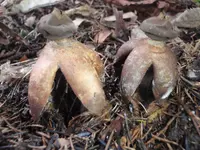
Arched Earthstar
Geastrum fornicatum
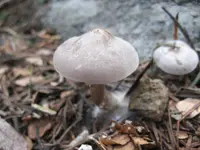
Snowmelt Clitocybe
Clitocybe glacialis
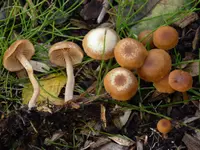
scurfy twiglet
Tubaria furfuracea
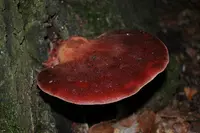
Beefsteak Polypore
Fistulina hepatica
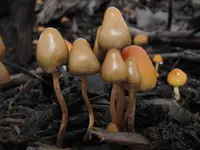
Psilocybe pelliculosa
Psilocybe pelliculosa
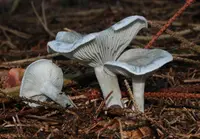
Aniseed Funnel
Clitocybe odora
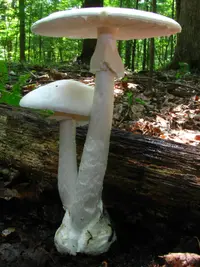
Eastern North American Destroying Angel
Amanita bisporigera
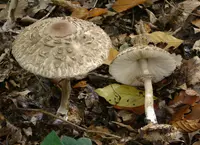
Olive Shaggy Parasol
Chlorophyllum olivieri