

Clean substrate rotation
Rotate or replace the wood chip or leaf litter substrate every 3–6 months to reduce buildup of competing fungi and bacteria and to keep a fresh, nutrient-rich surface layer for the colony.

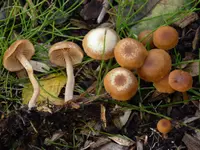
Scurfy twiglet, Tubaria furfuracea, is a small saprobic mushroom that grows on decaying wood, bark, or rich organic debris. It often appears in clusters on woodchip mulch, garden beds, and paths. Caps are thin, tawny to reddish brown, and dry with a slightly scurfy or dusty surface when young, supported by slender pale stems. It breaks down dead plant material, helping recycle nutrients in garden and woodland soils. This fungus is not cultivated like common edible mushrooms and is considered difficult to manage intentionally. For gardeners who want to care for scurfy twiglet in a display or educational setting, it generally favors cool, moist, shaded conditions and consistently organic, decomposing substrates rather than standard potting soil.

Care Difficulty
Moderate Care

Light Preference
Partial Shade

Water Requirements
Keep Soil Moist

Temperature Preference
Cool Climate

Hardiness Zone
Unknown

Soil Texture
Loamy, Organic-rich

Soil pH
Acidic (5.5–6.5), Slightly acidic (6.5–7.0)

Soil Drainage
Moist but well-drained

Fertilization
Minimal (feed rarely)
Scan your plant to receive care tips personalized for your specific plant
Available on iOS and Android
Tubaria furfuracea is a short-lived woodland fungus that fruits best in cool, softly lit conditions rather than strong direct sun.
Water management for Tubaria furfuracea focuses on keeping its wood or mulch substrate evenly moist without becoming waterlogged.
This species fruits most reliably in cool to mild conditions and declines in strong heat or hard frost.
Humidity is not a major factor for Tubaria furfuracea, which naturally fruits in open, variable outdoor conditions.
Tubaria furfuracea is a saprobic fungus that fruits best in moist, organic-rich, well-aerated substrate rather than conventional potting soil.
This species is not well suited to ornamental container growing, as it more reliably fruits in open ground or mulched beds than in pots.
Tubaria furfuracea is a wild, saprobic fungus that normally obtains all needed nutrients from decaying organic matter and does not benefit from targeted fertilization.
Tubaria furfuracea is not pruned in the usual horticultural sense, since mushroom fruiting bodies are temporary and the organism persists as mycelium in the substrate.
As a free-living decomposer, Tubaria furfuracea is seldom transplanted, but cultivation on suitable substrate is possible in controlled setups.
Propagation of Tubaria furfuracea for hobby culture is specialized and not usually attempted by general plant owners, so practical methods are limited.
This saprobic fungus is naturally cold tolerant in many regions and generally needs no dedicated winter care in gardens or wild settings.

Plant Health Check
Not sure what's wrong with your plant? Check your plant's health inside the app.
This small saprotrophic mushroom often fruits in cool, damp weather from late fall through early spring, making it one of the more commonly seen winter fungi on wood chips and leaf litter in temperate regions.
It shows a marked preference for rich woody debris, bark mulch, and processed wood chips in gardens and urban plantings, which is why it frequently appears in landscaped beds soon after mulching.
Although not considered deadly, it is classified as inedible due to its insubstantial flesh and potential for confusion with small toxic brown mushrooms, so it is strongly discouraged for foraging or consumption.

Molecular studies have shown that collections historically grouped under the name Tubaria furfuracea likely represent a complex of closely related species, so modern mycologists often rely on DNA sequencing in addition to microscopic characters to confirm identifications.
This small brown mushroom is not recommended for eating. It is considered inedible due to its insubstantial flesh and potential for confusion with toxic brown species. Foraging beginners should avoid consumption and focus on clearer, well-documented edibles.
Keep your plants happy and healthy with plant identification, disease detection, and easy care guidance.

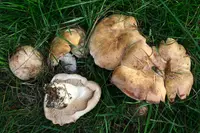
Clitopilus geminus
Clitopilus geminus
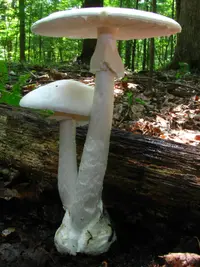
Eastern North American Destroying Angel
Amanita bisporigera
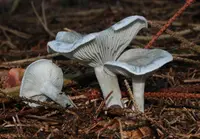
Aniseed Funnel
Clitocybe odora
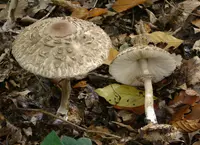
Olive Shaggy Parasol
Chlorophyllum olivieri
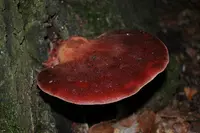
Beefsteak Polypore
Fistulina hepatica
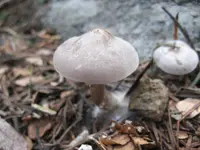
Snowmelt Clitocybe
Clitocybe glacialis
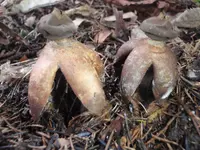
Arched Earthstar
Geastrum fornicatum
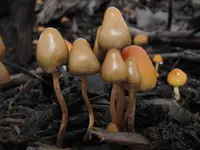
Psilocybe pelliculosa
Psilocybe pelliculosa