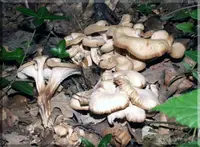
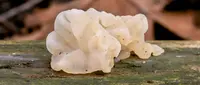
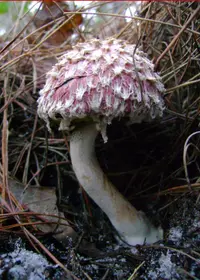
tawny funnel cap Care (Paralepista flaccida)

Also known as: Tawny Funnel
tawny funnel cap

About tawny funnel cap

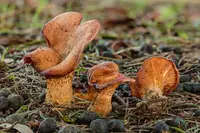
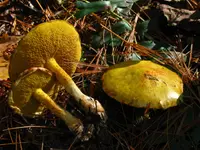
The tawny funnel cap, Paralepista flaccida, is a small, fleshy mushroom rather than a leafy plant. It forms funnel-shaped caps with warm tawny to orange-brown tones and crowded, pale gills that run slightly down the stem.

This fungus typically appears in autumn in coniferous and mixed woodlands, often in mossy or needle-rich leaf litter. It spreads through spores and decomposes organic material, playing a role in forest nutrient cycles.

Most guides now treat this species as inedible or suspect, which affects how to care for tawny funnel cap in home or outdoor projects. It prefers cool, damp, sheltered conditions and humus-rich, well-drained substrates, but deliberate cultivation is uncommon.

Main Plant Requirements

Care Difficulty

Moderate Care

Light Preference

Partial Shade

Water Requirements

Keep Soil Moist

Temperature Preference

Cool Climate

Hardiness Zone

Unknown

Soil Texture

Loamy, Silty, Organic-rich

Soil pH

Acidic (5.5–6.5), Slightly acidic (6.5–7.0)

Soil Drainage

Moist but well-drained

Fertilization

Minimal (feed rarely)

Get Personalized Care Plan

Scan your plant to receive care tips personalized for your specific plant

Available on iOS and Android

How to Care for the tawny funnel cap

This fungus prefers soft, woodland light rather than open, exposed sun.

  • Provide dappled or filtered light under deciduous trees, approximating 2–4 hours of weak, indirect sun rather than direct midday sun.
  • Site tawny funnel cap in partial shade; morning sun with shaded afternoons helps maintain moist leaf litter and prevents caps from drying or cracking.
  • Avoid open, full-sun clearings, especially in summer, as strong sun and wind quickly desiccate fruiting bodies and can shorten the fruiting period.

Moist, humus-rich woodland soil supports reliable fruiting of this species.

  • Maintain consistently moist, not waterlogged, leaf litter; the upper 2–3 cm should feel damp but not sticky or puddled after rain or irrigation.
  • In dry periods, supplement natural rainfall with gentle watering, allowing surface litter to darken with moisture, then dry slightly between soakings to reduce rot risk for Paralepista flaccida.
  • Watch for signs of stress: shriveling or cracking caps suggest insufficient moisture, while persistent standing water and foul odor indicate dangerous oversaturation of the substrate.

This species fruits best in cool to mild conditions typical of autumn woodland climates.

  • Optimal fruiting usually occurs around 50–60°F (10–16°C), often in late fall when days are cool and nights are colder but the ground remains unfrozen.
  • The mycelium tolerates cool conditions down to about 32°F (0°C), but hard, prolonged freezes below this can damage fruiting bodies and pause development.
  • Sustained heat above 75°F (24°C), especially with dry air, shortens the lifespan of caps; shaded, moist sites buffer temperature swings and help maintain productivity.

This fungus fruits best in consistently moist, humid conditions, not in dry indoor air.

  • Aim for 70–90% humidity around developing fruiting bodies, mimicking damp woodland air.
  • Dry air causes caps to crack, edges to curl, and pins to abort before maturing in tawny funnel cap clusters.
  • Increase humidity outdoors with thick leaf mulch and light misting, avoiding direct spraying on mature caps.

Paralepista flaccida relies on consistently moist, airy, organic-rich ground rather than compact or sterile substrates.

  • Use a loose, humus-rich mix based on leaf mold or fine compost blended with forest duff if available.
  • Maintain free drainage with 20–30% coarse sand or fine grit so water moves through but the surface stays evenly damp.
  • Target a slightly acidic to neutral pH around 5.5–7.0, similar to many mixed woodland soils.
  • Avoid heavy clay, waterlogged basins, or highly fertilized media, which suppress mycelium and favor competing organisms.

This species is generally unsuitable for standard container growing and performs more reliably in open ground or naturalized beds.

Paralepista flaccida is typically not fertilized in cultivation, as it relies on natural soil nutrients and organic matter.

Paralepista flaccida does not require horticultural pruning because it is a wild mushroom rather than a managed garden plant.

This fungus is rarely grown in containers; care focuses on choosing and preparing a suitable outdoor site rather than repotting.

  • Transplant only as colonized substrate or spawn, not as individual fruiting bodies, to avoid damage and failure.
  • Plan any moves in cool, moist seasons such as early fall, when mycelium experiences less stress.
  • Shift substrate gently into a similar, well-drained, organic-rich location and keep it evenly moist afterward.
  • Expect infrequent need for transplanting; once established, colonies are usually left undisturbed.

Paralepista flaccida propagation is specialized and usually handled by experienced mushroom growers rather than home gardeners.

This species is naturally cold tolerant in its native range and usually needs no special winter care in the garden or landscape.

Care Tips

Leaf litter management

Retain a thin layer of mixed hardwood leaf litter where the fungus fruits, but gently remove thick, matted, or waterlogged layers in late winter to reduce rot and improve air circulation at the soil surface.

Host tree consistency

Maintain the same mix of broadleaf tree species (such as beech, oak, or birch) around established colonies, since sudden removal or replacement of these hosts can disrupt the stable litter conditions this saprotrophic fungus relies on.

Minimal soil disturbance

Avoid raking, digging, or heavy foot traffic over known fruiting zones, as repeated disturbance can damage the underlying mycelial network and sharply reduce future flushes.

Targeted moisture buffering

In dry periods, place a breathable, thin woodchip or shredded-leaf layer over the fruiting area to slow evaporation, but keep it loose enough that caps can push through easily and do not become trapped.

Fruiting pattern observation

Mark and map where rings or arcs of fruiting bodies appear each year, then focus protection and site maintenance on these zones to support long-term colony stability when caring for tawny funnel cap.

Common Pests and Diseases

Mycophagous springtails

These insects feed on fungal tissue, especially in damp, decaying clusters of caps and stems. Symptoms include small surface pits, fraying of gill edges, and rapid breakdown of already aging fruiting bodies.

Solution

Limit overly saturated, compact litter where fruiting bodies form and improve drainage to reduce standing moisture. For small garden or cultivation setups, gently remove and discard heavily infested mushrooms and surrounding debris, and use fine-mesh covers over beds if populations become high while growing tawny funnel cap outdoors.

Fungus gnat larvae

This pest lives in moist organic substrates and can tunnel into developing bases of fruiting bodies, leading to soft, waterlogged tissue and early collapse. Symptoms include weak, misshapen mushrooms and small black adult gnats flying close to the substrate surface.

Solution

Allow the upper layer of the substrate or leaf litter to dry slightly between waterings, and remove and discard damaged fruiting bodies. In contained or semi-cultivated situations, use yellow sticky cards to trap adults and consider a biological control like Bacillus thuringiensis israelensis (Bti) in irrigation water to reduce larvae.

Midge maggot infestation

These insect larvae enter the gills and stems, leaving narrow tunnels and causing browning, soft spots, and rapid decay of caps. Symptoms include small entry holes, spongy texture, and the presence of tiny white maggots inside affected tissue.

Solution

Promptly harvest or remove fruiting bodies as soon as they reach usable size to limit the time available for egg-laying. In small-scale managed sites, collect and remove infested mushrooms and surrounding litter, and if needed use fine netting over developing clusters to physically exclude adult midges.

Bacterial blotch

This disease causes greasy-looking, yellow to brown spots and streaks on caps, often in very humid or wet conditions. Symptoms include slimy patches that spread across the cap surface and accelerate decay.

Solution

Reduce continuous surface wetness by watering at the substrate level rather than overhead and by improving air circulation around fruiting areas. Remove and discard affected mushrooms, avoid splashing water from diseased to healthy clusters, and keep tools and containers clean to limit bacterial spread.

Green mold contamination

This disease, often caused by Trichoderma species, appears as bright to dark green patches on the substrate near the bases of fruiting bodies and can suppress or deform mushrooms. Symptoms include stalled or distorted clusters and a dense green fungal growth overtaking the original mycelium.

Solution

Physically remove and discard contaminated substrate and any malformed mushrooms as soon as green patches appear. Improve cleanliness of the growing area, avoid overwatering, and in managed or cultivation settings start with clean substrate and tools to lower the risk of recurrent contamination while following practical Paralepista flaccida care instructions for moisture and hygiene.

Interesting Facts

Once confused genus

For many years this mushroom was placed in the genera Clitocybe and Lepista, and only relatively recently have molecular studies clarified its position in the genus Paralepista.

Strong autumn preference

It fruits mainly in late autumn and early winter in temperate regions, often appearing after many other mushrooms have finished their season, which makes it a characteristic late-season species in mixed forests.

Characteristic funnel shape

Mature fruiting bodies develop a distinctly funnel-shaped cap with decurrent gills that run down the stem, a combination of traits that helps separate it from many superficially similar brownish woodland mushrooms.

FAQs about tawny funnel cap

This species is considered edible by some sources but closely resembles toxic brown and orange funnel-shaped mushrooms. Because misidentification risk is high and symptoms can be severe, foragers are strongly advised not to eat it.

Grow Healthy Plants with Botan Care

Keep your plants happy and healthy with plant identification, disease detection, and easy care guidance.

Botan plant care app — identify plants on mobile

Explore More Plants