seashore paspalum Care (Paspalum vaginatum)

Also known as: Saltwater Paspalum
seashore paspalum

About seashore paspalum

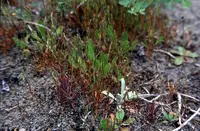
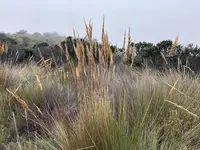
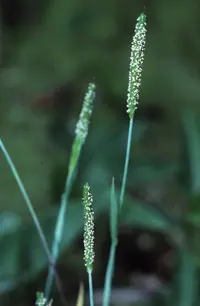
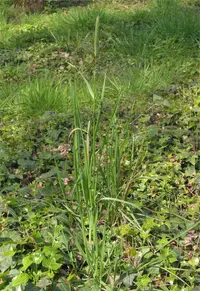
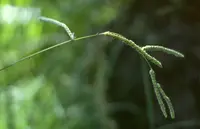
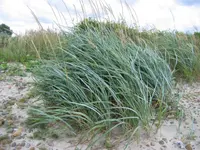
Seashore paspalum (Paspalum vaginatum) is a warm-season perennial grass often used for lawns, sports fields, and coastal landscapes. It forms a dense, low-growing turf with fine to medium blades and a bright to medium green color.

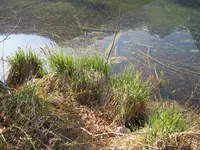
The species naturally occurs along tropical and subtropical shorelines, salt marshes, and brackish waterways, where it tolerates salt spray and occasional flooding. It is valued for high salt tolerance and good resilience but needs warmth and consistent maintenance to stay attractive.

This grass prefers full sun, regular moisture, and well-drained soils, and it handles reclaimed or slightly salty irrigation water better than most turf species. These traits shape how to care for seashore paspalum in home landscapes and recreational areas.

Main Plant Requirements

Care Difficulty

Moderate Care

Light Preference

Full Sun

Water Requirements

Regular Water

Temperature Preference

Warm Climate

Hardiness Zone

8–11

Soil Texture

Sandy, Loamy, Silty

Soil pH

Neutral (7.0), Slightly alkaline (7.0–7.5)

Soil Drainage

Waterlogged tolerant

Fertilization

Moderate (every 2–4 weeks)

Get Personalized Care Plan

Scan your plant to receive care tips personalized for your specific plant

Available on iOS and Android

How to Care for the seashore paspalum

This warm-season grass thrives in strong light and handles coastal exposure well.

  • Provide 6–8 hours of direct sun daily; morning and midday sun support dense, salt-tolerant seashore paspalum turf.
  • It tolerates light partial shade (3–4 hours of direct sun plus bright open sky), but expect slower growth and thinner coverage.
  • In summer, monitor for leaf scorch on shallow, sandy soils; in autumn, shorten mowing height slightly to maximize light capture as days shorten.

This species prefers consistently moist conditions and tolerates occasional flooding better than drought.

  • Irrigate when the upper 2–3 cm of soil start to dry; blades folding lengthwise or a bluish-green color indicate Paspalum vaginatum needs water.
  • Use soils or root zones with good drainage; standing water for many days encourages root rot and algae, while very fast-draining sand needs more frequent, shorter cycles.
  • In hot months, increase frequency instead of volume; in cooler seasons, reduce watering to prevent soggy soil and shallow rooting.

This warm-season turf grass grows best in steady heat and struggles in prolonged cold.

  • Optimal active growth occurs around 80–90°F (27–32°C); growth slows noticeably below 70°F (21°C).
  • It tolerates high heat up to about 100°F (38°C) if soil moisture is maintained, but stress increases when heat combines with drought.
  • Minimum tolerance is around 55–60°F (13–16°C) for growth; light frost can cause leaf burn, and repeated hard frosts may thin or kill turf, so plan for winter dormancy in cooler regions.

This coastal grass tolerates a wide humidity range and rarely needs special humidity management outdoors.

Paspalum vaginatum prefers sandy, well-drained substrates that still retain enough moisture for steady growth.

  • Use a sandy or sandy-loam mix with 20–30% organic matter such as compost to hold nutrients.
  • Ensure very sharp drainage; avoid heavy clay or compacted soils that stay wet for more than 24 hours after irrigation or rain.
  • Aim for slightly acidic to neutral pH, roughly 6.0–7.5, and avoid strongly alkaline conditions unless managing saline turf professionally.
  • Improve aeration on compacted sites by core aeration and topdressing with sand to maintain open pore spaces around the roots.

This species can be grown in containers, mainly for research, breeding, or specialized turf applications rather than ornamental use.

  • Choose a wide, low container to accommodate its creeping, spreading stolons and to reduce tipping in windy, exposed sites.
  • Select rigid plastic or fiberglass pots that limit evaporation so the root zone does not dry out too quickly in full sun.
  • Elevate the container slightly so drainage holes remain clear and saline irrigation water does not collect under the pot.

This warm-season grass benefits from moderate, well-timed feeding to maintain dense, salt-tolerant turf.

  • Use a balanced slow-release NPK fertilizer or light compost topdressing on established seashore paspalum turf.
  • Feed every 6–8 weeks during active growth in late spring through summer, adjusting to soil test results when possible.
  • Apply at 50–75% of the label nitrogen rate to avoid excessive thatch and weak, lush growth.
  • Reduce or stop fertilization in fall and winter when growth slows or turf enters dormancy.

Paspalum vaginatum responds well to consistent mowing and light cleanup rather than structural pruning.

  • Time main mowing and grooming for the active growing season, typically late spring through early fall.
  • Remove dead, diseased, or scalped patches with a sharp knife or edging tool to encourage even regrowth.
  • Maintain mowing height appropriate to use (lower for putting surfaces, higher for lawns) to manage density and texture.
  • Keep mower blades sharp and avoid cutting off more than one-third of leaf height in a single pass.

This grass is usually grown in the ground, so care focuses on transplanting sod or plugs rather than repotting.

  • Transplant in late spring or early summer when soils are warm and Paspalum vaginatum is actively growing.
  • Choose this timing to reduce stress and help new sod, sprigs, or plugs root quickly and outcompete weeds.
  • Water thoroughly before and after transplanting, then keep soil evenly moist until strong new growth appears.
  • Container plants needing more space show circling roots and slow growth; shift them up 1 pot size with minimal root disturbance.

This species is commonly multiplied vegetatively to maintain uniform, salt-tolerant turf.

  • Use vegetative methods such as division, stolon cuttings, sprigs, or plugs rather than relying on seed.
  • Carry out division or plugging in late spring to mid-summer when soils are warm and growth is vigorous.
  • Set pieces into well-drained soil, keep consistently moist, and ensure good contact between nodes and soil surface.
  • Space plugs or sprigs evenly, then control weeds and foot traffic until a continuous, interlocking sod develops.

This warm-season grass has limited cold tolerance and often turns brown in cool winters, requiring modest management.

  • Expect dormancy and leaf browning when temperatures fall consistently below about 55°F.
  • In mild regions, a 2–5 cm mulch layer around edges or in thin spots helps protect crowns from freeze-thaw.
  • In colder zones, grow Paspalum vaginatum in containers and move them to a frost-free, bright area for winter.
  • Avoid heavy traffic, dethatching, or low mowing on dormant turf to prevent crown damage and spring thinning.

Care Tips

Manage Salt Levels

Rotate irrigation between saline and fresher water when possible and leach with low-salinity water every few weeks to prevent excessive salt buildup in the root zone.

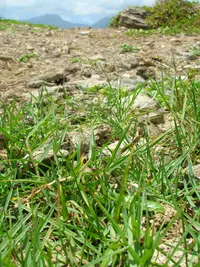
Mow For Density

Maintain frequent light mowing rather than infrequent heavy cuts, and occasionally lower the height slightly to encourage lateral spread and a tighter turf canopy.

Verticut And Topdress

Use light vertical mowing 1–3 times per growing season to thin thatch, then apply a thin sand topdressing to keep the surface level and promote new stolon growth.

Control Encroaching Grasses

Edge mechanically and hand-remove invading bermudagrass or other species early, as physical removal is usually more reliable than overreliance on herbicides in caring for seashore paspalum.

Adjust For Reuse Water

If irrigating with reclaimed or brackish water, periodically test water and soil for sodium and chloride, then schedule flushing irrigations and gypsum applications if sodium levels begin to rise.

Everything About seashore paspalum

Common Pests and Diseases

Brown patch

This disease causes circular or irregular brown, thinned, or dead areas in the turf, often with a darker outer ring under humid, warm conditions.

Solution

Reduce evening irrigation and improve drainage to keep leaf surfaces drier, mow at the correct height, and collect clippings from affected areas. For persistent cases, use a lawn fungicide labeled for brown patch in warm‑season grasses and follow label rates and timing carefully.

Dollar spot

This disease creates small, straw‑colored spots that can merge into larger blighted areas, often showing bleached leaf lesions with reddish‑brown margins.

Solution

Maintain balanced nitrogen, avoid letting turf stay chronically dry, and water deeply but infrequently in the early morning. If needed, rotate fungicides labeled for dollar spot in warm‑season turf to limit resistance and treat when symptoms first appear.

Helminthosporium leaf spot

This disease produces dark, elongated or oval lesions on leaves and stems that can coalesce, leading to thinning and a dull, off‑color appearance of the stand.

Solution

Avoid excessive nitrogen and heavy thatch, and ensure good air flow by not letting turf grow overly dense. In severe or recurring cases, apply an appropriate foliar fungicide labeled for leaf spot on seashore paspalum and time applications during early symptom development.

Fall armyworm

This pest feeds on foliage, causing ragged leaf edges, window‑paning, and rapid thinning in patches that can enlarge quickly in warm weather.

Solution

Inspect turf closely for caterpillars and frass when damage appears and mow to remove heavily infested leaf tips. Spot‑treat active infestations with a selective caterpillar control product (such as Bacillus thuringiensis or a turf‑labeled insecticide), following label directions and avoiding unnecessary broad‑area applications.

Tropical sod webworm

This pest skeletonizes and notches leaves, leading to uneven, scalped areas that look drought‑stressed or lightly scorched, especially after mowing.

Solution

Monitor at night or in early evening for moth activity and check thatch for larvae if damage is visible. Reduce thatch and improve turf vigor, then treat active infestations with a targeted insecticide or biological control labeled for sod webworms in warm‑season turf, focusing on the most affected areas.

Interesting Facts

Extreme salt tolerance

This coastal grass can complete its life cycle in conditions close to seawater salinity, thanks to specialized salt-excreting leaf glands that help remove excess sodium and chloride from its tissues.

Stabilizes shifting shorelines

Its dense, creeping rhizomes and stolons knit together sandy or muddy substrates, so it is widely used to stabilize coastal shorelines, estuary margins, and constructed wetlands in warm climates.

Thrives on reclaimed water

Turf selections of this species are often irrigated with brackish or reclaimed water that would damage most lawn grasses, making it valuable for golf courses and sports fields in water-limited coastal regions.

Botan icon

Did you know?

Genetic studies show that this species has evolved multiple strategies to cope with salt stress at the cellular level, including altering ion transport proteins and accumulating compatible solutes that protect enzymes and membranes under high salinity.

FAQs about seashore paspalum

This warm-season grass is functionally evergreen in frost-free coastal climates, keeping green blades year-round. In cooler regions it goes dormant and turns brown in winter, then greens up again once soil temperatures rise in late spring.

Grow Healthy Plants with Botan Care

Keep your plants happy and healthy with plant identification, disease detection, and easy care guidance.

Botan plant care app — identify plants on mobile

Explore More Plants