Wind-harden young plants
Expose seedlings gradually to outdoor wind over 7–10 days by increasing time outside each day to build sturdy stems that resist lodging in strong weather.

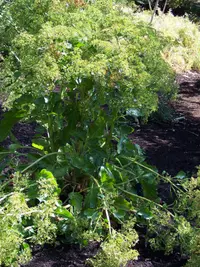
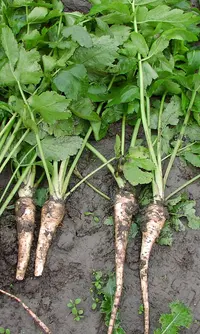
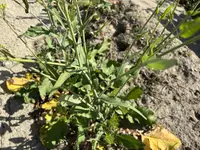
Pastinaca lucida is a herbaceous perennial in the carrot family, forming clumps of upright, finely divided foliage. Its growth habit is typically slender and airy, with umbels of small yellow flowers held on branched stems. The species is native to parts of Eurasia, where it grows in open grasslands, road verges, and other sunny, well-drained habitats. These origins make it generally suited to full sun and moderately dry, lean soil. Once established, it tends to be resilient and needs only basic attention, so how to care for Pastinaca lucida is mostly about providing light and avoiding overly rich, wet ground.

Care Difficulty
Moderate Care

Light Preference
Full Sun

Water Requirements
Moderate Water

Temperature Preference
Cool Climate

Hardiness Zone
5–8

Soil Texture
Sandy, Loamy, Silty

Soil pH
Slightly acidic (6.5–7.0), Neutral (7.0)

Soil Drainage
Well-drained

Fertilization
Minimal (feed rarely)
Scan your plant to receive care tips personalized for your specific plant
Available on iOS and Android
This species prefers open, bright conditions typical of sun-loving umbellifers.
This plant prefers consistently moist but not waterlogged soil, especially during active growth.
This species grows best in cool to mild outdoor conditions.
Humidity is not a major factor for Pastinaca lucida, which adapts well to typical outdoor air levels in temperate regions.
Pastinaca lucida grows best in deep, loose, well-drained mineral soil that allows its taproot to develop straight and unobstructed.
This species is only moderately suitable for container growing, as it needs ample depth for its taproot and consistent outdoor conditions.
This wild perennial umbellifer usually manages in average soil and needs only light feeding in cultivation.
Pruning is mainly used to keep plants tidy and manage seeding rather than to shape Pastinaca lucida heavily.
This taprooted perennial prefers to stay where it is planted, so transplanting should be rare and done with care.
Propagation of this species is most reliable from seed rather than from division or cuttings.
In most temperate climates this hardy perennial needs little specific winter care once established.

Plant Health Check
Not sure what's wrong with your plant? Check your plant's health inside the app.
This species is native to coastal areas of southeastern Australia and typically grows in moist, often saline-influenced habitats such as estuarine margins and coastal flats, unlike the better-known cultivated parsnip Pastinaca sativa.
The specific epithet lucida refers to its noticeably glossy leaf surfaces, which are thought to help reduce water loss and manage intense light in exposed coastal environments.
Its yellow flowers are arranged in compound umbels with relatively few, well-spaced rays, a feature used by botanists to distinguish it from closely related Pastinaca species in the field.
The roots and young shoots are considered edible in some traditions, but identification must be absolutely certain. Many Pastinaca species cause skin irritation in sunlight. Avoid foraging or consumption without expert confirmation and local guidance.
Keep your plants happy and healthy with plant identification, disease detection, and easy care guidance.