scarlet bugler Care (Penstemon centranthifolius)

scarlet bugler

About scarlet bugler

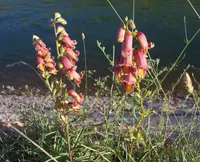
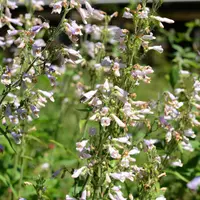
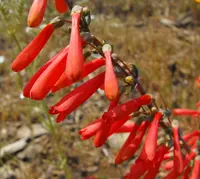
Scarlet bugler, Penstemon centranthifolius, is a perennial wildflower known for its tall spikes of tubular red flowers and narrow, often bluish-green leaves. It typically forms upright clumps that stand out in dry, open landscapes.

This species is native to California and parts of the western United States, where it grows on rocky slopes, chaparral, and coastal scrub. It is adapted to heat, strong sun, and low, seasonal rainfall.

Once established, it suits gardeners seeking to care for scarlet bugler with minimal watering and low-fertility, fast-draining soil. Its drought tolerance and preference for full sun make it easier in dry, mild climates than in humid or poorly drained sites.

Main Plant Requirements

Care Difficulty

Moderate Care

Light Preference

Full Sun

Water Requirements

Low Water

Temperature Preference

Warm Climate

Hardiness Zone

7–10

Soil Texture

Sandy, Loamy, Rocky

Soil pH

Slightly acidic (6.5–7.0), Neutral (7.0)

Soil Drainage

Well-drained

Fertilization

Minimal (feed rarely)

Get Personalized Care Plan

Scan your plant to receive care tips personalized for your specific plant

Available on iOS and Android

How to Care for the scarlet bugler

Penstemon centranthifolius thrives in bright, open sites with strong sun exposure.

  • Provide 6–8 hours of direct sun daily; full sun promotes dense growth and abundant flowering in scarlet bugler.
  • Plant in a spot with morning to midafternoon sun; light afternoon shade is helpful in very hot, dry climates to reduce leaf scorch.
  • In partial shade (3–4 hours sun), expect fewer blooms and lankier stems; relocate plants if they lean strongly toward the light or flower poorly.

Penstemon centranthifolius prefers dry to moderately dry soil and is sensitive to excess moisture.

  • Allow the top 5–7 cm of soil to dry completely before watering; in most dry climates this means deep, infrequent soakings rather than light, frequent watering.
  • Ensure sharply draining soil or a slope; water should clear the root zone quickly to prevent root rot, yellowing leaves, and mushy stems from overwatering.
  • During the first growing season, water when foliage starts to lose firmness; once established, reduce watering, especially in cool or rainy seasons.

This species is adapted to warm, dry climates with mild winters and tolerates a broad outdoor temperature range.

  • Active growth is strongest around 65–80°F (18–27°C); flowering is reliable when spring and early summer stay within this range.
  • Mature plants often survive brief drops to about 20°F (-6°C) with good drainage, though repeated hard freezes and wet winter soils increase loss risk.
  • Heat tolerance is good up to about 95°F (35°C) if soil is not waterlogged; in prolonged heat waves, avoid extra watering unless foliage wilts early in the day.

This species is adapted to dry climates and usually does not need special humidity control for scarlet bugler.

Penstemon centranthifolius prefers lean, fast-draining mineral soils and struggles in compact or waterlogged substrates.

  • Use sandy or gravelly soil with very low organic matter to mimic rocky slopes and prevent root rot.
  • Aim for slightly acidic to neutral pH around 6.0–7.0, avoiding strongly alkaline or saline conditions.
  • Combine about 50–70% coarse sand or grit with the rest as standard potting mix to improve drainage and aeration.
  • Do not add heavy compost, peat, or clay-based materials that retain moisture and reduce oxygen around the roots.

This species can be grown in containers if the pot is set up to drain and dry quickly.

  • Choose a tall, narrow container that encourages a deep root run and reduces the risk of water pooling near the crown.
  • Select unglazed clay or terracotta pots so moisture can evaporate through the sides and keep the root zone drier.
  • Add a substantial layer of coarse gravel or chunky grit mixed throughout the lower half of the potting medium to speed drainage.

This nutrient-thrifty native needs only light feeding to stay healthy and flowering.

  • Use a thin top-dressing of compost or compost-rich mulch in early spring to support new growth.
  • If soil is very poor, apply a low-dose balanced NPK fertilizer (around 5-5-5) at half strength once in spring.
  • Avoid high-nitrogen products, which push weak leafy growth and reduce blooms on scarlet bugler.
  • Do not fertilize in late fall or winter, when the plant is semi-dormant.

Pruning Penstemon centranthifolius helps maintain a compact shape and strong flowering.

  • Cut back spent flowering stems in late spring and summer to encourage more blooms and prevent seeding.
  • In late winter or very early spring, remove dead, damaged, or winter-killed stems at the base with clean hand pruners.
  • Thin congested shoots slightly to improve airflow and reduce fungal issues in humid climates.
  • Avoid cutting into old, woody bases; leave some green growth on each stem to support regrowth.

This species is usually grown in the ground and dislikes frequent disturbance of its root system.

  • Transplant young plants in late fall or early spring, when weather is cool and soil moisture is stable.
  • Move only when necessary, such as poor drainage, crowding, or declining vigor despite good care.
  • Choose a sunny, sharply drained site and replant at the same depth, loosening circling roots gently without tearing.
  • Water deeply right after transplanting, then keep soil just slightly moist for 1–2 weeks before returning to lean watering.

Penstemon centranthifolius is most often propagated by seed, with cuttings useful for keeping selected forms.

  • Sow fresh seed in fall outdoors or use 4–6 weeks of cold stratification in the fridge before spring sowing.
  • Provide a gritty, well-drained seed mix, light cover of grit, and bright light; keep just barely moist until germination.
  • Take 7–10 cm softwood cuttings in late spring, remove lower leaves, and insert into sterile, free-draining medium.
  • Maintain cuttings at 65–75°F with high humidity and good air movement until roots form, then harden off gradually.

This plant is fairly cold hardy in much of its range and usually needs minimal winter care in the ground.

  • In climates with wet winters, prioritize excellent drainage to prevent root rot rather than adding heavy mulch.
  • Apply a light, airy gravel or coarse bark mulch around the crown, keeping it slightly exposed to avoid rot.
  • For container plants in zones colder than their rating, move pots to a sheltered, frost-free or near-freezing bright spot.

Care Tips

Encourage Deep Roots

During the first growing season, space irrigation to every 10–14 days in well-drained soil so the plant develops deep, drought-resilient roots instead of shallow, weak growth.

Avoid Summer Mulching

Keep mulch light or absent around the crown, especially in hot, dry climates, to prevent excess moisture at the base that can increase crown rot and shorten plant lifespan.

Use Gravel Topdress

Apply a 2–3 cm layer of coarse grit or small gravel around the base to keep stems dry at soil level, reflect heat, and mimic the rocky slopes where this species naturally thrives.

Plan Short-Lived Clumps

Treat clumps as relatively short-lived (3–5 years) and start new plants from seed or cuttings every few years so flowering remains dense and plants never become woody and sparse.

Support In Windy Sites

In exposed, windy gardens, place a low, unobtrusive ring support or a couple of discreet stakes early in the season so tall, flower-laden stems stay upright without snapping in strong gusts while growing scarlet bugler.

Common Pests and Diseases

Leafhoppers

These insects feed on new shoots and flower stalks, causing pale speckling, curling, and occasional stunting of growth. This pest also excretes honeydew that can lead to sooty mold on nearby foliage.

Solution

Use a firm spray of water to dislodge nymphs from stems, then allow the plant to dry quickly. If populations remain high, apply an insecticidal soap or neem oil in the evening, and reduce nearby lush weeds or grasses that host leafhoppers while keeping irrigation on the dry side to support this naturally drought‑tolerant species.

Aphids

These insects cluster on tender stems and flower spikes, sucking sap and causing distortion, sticky honeydew, and reduced flowering. Symptoms include curling tips and misshapen buds, especially on lush, overwatered plants.

Solution

Rinse colonies off stems with a strong stream of water and repeat every few days until numbers drop. For persistent infestations, use insecticidal soap or horticultural oil directed at the undersides of stems and buds, and avoid excess nitrogen fertilizer that encourages soft, aphid‑prone growth when growing scarlet bugler.

Powdery mildew

This disease appears as a white to gray powdery coating on leaves and stems, often starting on lower foliage in humid or crowded conditions. Symptoms include yellowing, premature leaf drop, and reduced vigor if coverage becomes heavy.

Solution

Improve air circulation by thinning nearby plants and avoid overhead watering, especially in the evening. Remove and discard heavily affected leaves, then apply a sulfur or potassium bicarbonate fungicide labeled for ornamentals if needed, making sure the soil dries well between waterings.

Rust

This disease causes small yellow spots on upper leaf surfaces with matching orange to brown pustules on the undersides. Symptoms include early leaf drop and a general decline in plant appearance during cool, moist periods.

Solution

Promptly remove and dispose of infected leaves and any plant debris around the base to reduce spore levels. Provide good spacing, water at soil level in the morning, and if the problem recurs, use a labeled ornamental fungicide on new growth early in the season while keeping the planting area dry and well ventilated.

Slugs and snails

These pests chew irregular holes in young leaves and seedlings, often leaving slime trails near the base of the plant. Damage tends to be worst in cool, damp conditions or where mulch is thick and stays wet.

Solution

Hand-pick at dusk or early morning and remove hiding spots such as dense ground litter or boards near the crown. Where pressure is high, place iron phosphate slug bait around but not touching the plants, and adjust irrigation and mulch so the top layer of soil can dry between waterings.

Interesting Facts

Hummingbird-adapted flowers

This species forms long, narrow, bright red tubular flowers that are specifically shaped for hummingbird pollination, offering nectar deep in the corolla where only long bills and tongues can reach.

Fire-following behavior

In its native California chaparral and coastal scrub, seed germination is often enhanced after wildfire or disturbance, so populations can become more visible in the years following burns.

Extreme drought specialist

It naturally occurs on very dry, rocky, often south-facing slopes, showing strong adaptation to low-moisture conditions and intense sun typical of Mediterranean-type climates.

Botan icon

Did you know?

This species often grows in nutrient-poor, well-drained volcanic or serpentine-derived soils where many other plants struggle, contributing to its role as a specialist component of California’s diverse flora.

FAQs about scarlet bugler

Poor flowering usually comes from too much shade, overly rich or wet soil, or heavy pruning at the wrong time. Excess fertilizer, especially high nitrogen, pushes leafy growth instead of buds. Allow drier conditions and avoid cutting new flowering stems.

Grow Healthy Plants with Botan Care

Keep your plants happy and healthy with plant identification, disease detection, and easy care guidance.

Botan plant care app — identify plants on mobile

Explore More Plants