Peperomia acuminata Care

Peperomia acuminata

About Peperomia acuminata

Peperomia acuminata is a compact tropical foliage plant from Central and South America, where it grows as an epiphyte on trees or on moist forest floors. It belongs to the pepper family and forms small clumps of pointed, often slightly glossy leaves on short, fleshy stems.

This species is valued as a small indoor foliage plant that fits well on shelves or desks and stays manageable in size. Its slow, tidy growth and modest demands make it suitable for beginners learning how to care for Peperomia acuminata.

Peperomia acuminata generally prefers bright, indirect light, moderate moisture, and a loose, airy potting mix that drains well but does not dry out for long periods.

Main Plant Requirements

Care Difficulty

Easy Care

Light Preference

Bright Indirect Light

Water Requirements

Moderate Water

Temperature Preference

Tropical / Frost Sensitive

Hardiness Zone

11–12

Soil Texture

Loamy, Peaty, Organic-rich

Soil pH

Acidic (5.5–6.5), Slightly acidic (6.5–7.0)

Soil Drainage

Well-drained

Fertilization

Light (every 4–6 weeks)

Get Personalized Care Plan

Scan your plant to receive care tips personalized for your specific plant

Available on iOS and Android

How to Care for the Peperomia acuminata

This species prefers bright, filtered light and protection from harsh midday sun.

  • Provide 6–8 hours of bright, indirect light daily, such as near an east or bright north window or under light tree shade outdoors, to keep leaves compact and well colored.
  • Tolerates partial shade (around 3–4 hours of dappled light), but Peperomia acuminata may stretch, darken, and produce fewer leaves if light stays too low.
  • Avoid strong midday and afternoon sun, which can cause pale patches and leaf scorch; in summer, set back from hot west-facing glass or add a sheer curtain.

Peperomia acuminata prefers light, even moisture with thorough drying of the upper soil between waterings.

  • Allow the top 2–3 cm of soil to dry before watering again; use your finger to check rather than following a strict calendar, as light and temperature strongly affect drying speed.
  • Water slowly until excess drains from the bottom, then discard runoff; leaves that feel mushy, yellow, or drop from the base usually indicate overwatering or poor drainage.
  • In winter, when growth slows and soil dries more slowly, extend the drying period; slight leaf wrinkling and drooping tips usually signal that watering has been delayed too long.

This plant favors warm, stable conditions with no exposure to frost or cold drafts.

  • Aim for 65–80°F (18–27°C) for steady growth; short dips to 60°F (16°C) are usually tolerated but may slow new leaves and root activity.
  • Avoid temperatures below 55°F (13°C); prolonged cold causes leaf yellowing, soft stems, and root damage, and frost can kill the plant outright.
  • In hot periods above 85°F (29°C), increase air movement and shade from intense sun to limit heat stress, leaf curling, and rapid moisture loss from the potting mix.

This species prefers moderate indoor humidity and usually adapts well in homes.

  • Aim for 40–60% humidity; it tolerates brief dips lower but prolonged very dry air can slow growth.
  • Watch for crispy leaf edges, dull foliage, or leaf drop as signs humidity is too low.
  • Increase humidity with a nearby pebble tray or grouping plants, rather than misting leaves directly.

Use a light, airy, fast-draining mix that holds some moisture but never stays soggy.

  • Combine roughly 50% peat- or coco-based potting mix with 25% perlite and 25% fine orchid bark for Peperomia acuminata.
  • Ensure the mix feels loose and crumbly; compacted or heavy soil suffocates roots and encourages rot.
  • Keep pH slightly acidic to neutral, around 6.0–7.0, which suits most peat-based houseplant mixes.
  • Avoid dense garden soil, high-clay mixes, or anything that stays wet for more than 2–3 days after watering.

This species is well suited to container growing due to its compact root system.

  • Choose a shallow, wide pot to match its spreading habit so roots can occupy the upper substrate layer evenly.
  • Select a pot material that matches your watering style; porous terracotta dries faster, while plastic keeps moisture longer.
  • Ensure drainage holes are generous and unclogged so water exits quickly and the lower root zone does not remain saturated.

Light feeding supports compact, healthy growth in Peperomia acuminata without encouraging weak, leggy stems.

  • Use a balanced liquid fertilizer around 10-10-10 or 20-20-20, diluted to 1/4–1/2 strength for container plants.
  • Feed every 4–6 weeks in spring and summer only, after watering so roots are not burned.
  • Skip fertilizer in fall and winter when growth slows, unless the plant is under strong artificial light.
  • Avoid compost-heavy mixes or slow-release pellets that stay constantly rich, since this species prefers modest nutrition.

Selective pruning keeps Peperomia acuminata dense and tidy while removing weak growth.

  • Trim in spring or early summer, when the plant resumes active growth and recovers fastest.
  • Remove dead, yellowing, or damaged leaves at the base using clean, sharp scissors or pruning snips.
  • Shorten overly long or leggy stems just above a node to encourage branching and a fuller shape.
  • Thin crowded interior stems slightly to improve light penetration and airflow without stripping the plant.

This compact species prefers slightly tight pots and only occasional repotting.

  • Repot every 2–3 years in spring when roots circle the pot, emerge from drainage holes, or growth slows.
  • Choose a container only 2–3 cm wider, with drainage, and use a loose, airy mix that dries moderately fast.
  • Water well 1–2 days before repotting, then gently tease apart circling roots without tearing thick ones.
  • After transplanting, water lightly, keep in bright indirect light, and avoid fertilizing for 2–3 weeks to reduce stress.

New plants of Peperomia acuminata are most often produced from stem cuttings under warm, humid conditions.

  • Take 5–8 cm stem cuttings with at least 2–3 leaves in late spring or early summer.
  • Insert cuttings into a moist, well-drained mix such as peat and perlite or coco coir and perlite.
  • Maintain 70–80°F, bright indirect light, and high humidity using a clear cover with some ventilation.
  • Optionally dip cut ends in rooting hormone, then keep the medium slightly moist until roots form in 3–6 weeks.

This tropical plant has low cold tolerance and needs stable indoor conditions during winter in most climates.

  • Keep indoor temperatures around 65–75°F, avoiding drafts, cold window glass, and heat vents.
  • Move outdoor containers inside before temperatures drop near 55°F, as foliage is frost sensitive.
  • Allow the potting mix to dry a bit more between waterings but never fully, since roots remain active.
  • Provide as much bright, indirect light as possible to prevent weak, stretched winter growth.

Care Tips

Encourage Compact Growth

Rotate the pot 90° every 1–2 weeks so all sides receive similar light, which keeps stems short, leaves evenly spaced, and prevents one-sided, weak growth when growing Peperomia acuminata.

Support Semi-Trailing Stems

As stems begin to trail, guide them gently over the pot rim or onto a small trellis or hoop so the plant can carry its own weight and avoid kinking or snapping at the base.

Use Leaf Propagation

Take healthy leaf-and-petiole cuttings and root them in a shallow tray of moist, airy mix covered with a clear lid, which provides backup plants if the original is damaged or ages out.

Protect From Cold Drafts

Place the plant at least 24 in away from exterior doors, single-glazed windows, or winter air vents, since sudden cold drafts can cause leaf drop and pale, stunted new growth.

Monitor For Salt Build-Up

If leaf edges brown despite proper watering, flush the pot with plain water until it runs freely from the drainage holes every 2–3 months to wash out accumulated fertilizer salts that can damage fine roots.

Common Pests and Diseases

Mealybugs

This pest feeds on leaf and stem sap, causing pale, stunted foliage and cottony white clusters in leaf axils and along stems. Symptoms include sticky honeydew and sooty mold on nearby surfaces.

Solution

Isolate the plant, then dab visible insects with cotton swabs dipped in 70% isopropyl alcohol and rinse foliage under a gentle lukewarm shower. Repeat weekly until no new clusters appear and improve light and airflow to make growing Peperomia acuminata less favorable for reinfestation.

Fungus gnats

These insects breed in consistently moist potting mix and their larvae feed on fine roots, causing slowed growth and occasional leaf yellowing. Adults are small black flies that hover above the soil surface when disturbed.

Solution

Allow the top 2–3 cm of soil to dry between waterings, then use yellow sticky traps to reduce adult numbers. For persistent cases, apply a biological control such as Bacillus thuringiensis israelensis (Bti) as a soil drench according to label directions.

Edema

This physiological disorder appears when roots absorb water faster than leaves can transpire it, creating corky blisters or raised bumps on the undersides of succulent leaves. Symptoms include rough, tan or brown patches that do not rub off.

Solution

Reduce watering frequency, keep the soil slightly moist rather than wet, and ensure the pot has free-draining soil and unobstructed drainage holes. Provide bright, indirect light and stable temperatures to support even water use and prevent new lesions, although existing marks will remain.

Cercospora leaf spot

This disease produces small, dark, often circular leaf spots with lighter centers that can merge into larger patches on older leaves. Severe infections lead to yellowing and premature leaf drop, especially in plants kept in low light and high humidity with poor air circulation.

Solution

Remove and discard affected leaves, avoid overhead watering, and increase airflow around the plant. If new spots continue to form, apply a copper-based or chlorothalonil fungicide labeled for houseplants, following package directions and keeping the foliage as dry as possible between treatments.

Spider mites

These pests prefer the relatively thick, tender leaves and sheltered undersides, where they pierce cells and cause fine stippling, dull leaf surfaces, and delicate webbing. Symptoms include slow decline and leaf drop under warm, dry indoor conditions.

Solution

Rinse both sides of all leaves with a strong but gentle stream of lukewarm water, then wipe foliage thoroughly. Maintain higher humidity around the plant, inspect regularly, and if mites persist, use an insecticidal soap or horticultural oil, applied to all leaf surfaces every 5–7 days until no new damage appears.

Interesting Facts

Epiphytic forest habit

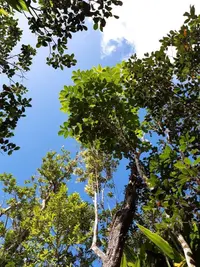
This species naturally grows as an epiphyte on tree trunks and branches in humid tropical forests of Central and South America, anchoring its roots in moss and organic debris rather than in deep soil.

Distinctly acuminate leaves

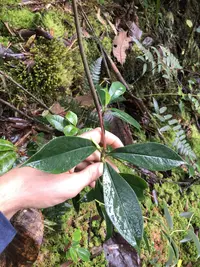
Its leaves taper into a long, narrow tip described botanically as acuminate, which helps channel water away from the leaf surface in its wet native habitats and inspired the species name acuminata.

Shallow, compact root system

The plant has a fine, shallow root system adapted to thin layers of organic matter on bark, which explains its preference for airy, fast‑draining substrates in cultivation and supports practical Peperomia acuminata care instructions.

FAQs about Peperomia acuminata

This species is best grown indoors in most climates, since it prefers stable warmth, moderate humidity, and protection from direct sun, cold, and heavy rain. Outdoors, it only does well in consistently mild, frost-free, sheltered locations.

Grow Healthy Plants with Botan Care

Keep your plants happy and healthy with plant identification, disease detection, and easy care guidance.

Botan plant care app — identify plants on mobile

Explore More Plants