Peperomia san-joseana Care

Peperomia san-joseana

About Peperomia san-joseana

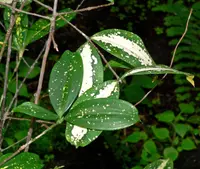
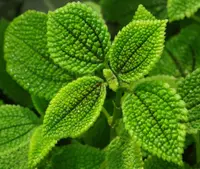
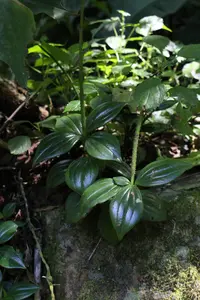
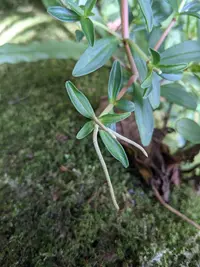
Peperomia san-joseana is a compact, slow-growing tropical species in the pepper family, valued as a small foliage houseplant. It typically forms a low clump with fleshy, rounded leaves that store moisture and give the plant a slightly succulent look. Native to Central and South American cloud forests, it often grows as an epiphyte on tree trunks or among leaf litter, benefiting from gentle humidity and good air flow. Its thick leaves and moderate growth rate make it forgiving of occasional care mistakes, so it suits beginners who want to learn how to care for Peperomia san-joseana. The plant generally prefers bright, filtered light, lightly moist but not soggy soil, and a loose, airy potting mix.

Main Plant Requirements

Care Difficulty

Moderate Care

Light Preference

Bright Indirect Light

Water Requirements

Moderate Water

Temperature Preference

Tropical / Frost Sensitive

Hardiness Zone

Unknown

Soil Texture

Loamy, Peaty, Organic-rich

Soil pH

Acidic (5.5–6.5), Slightly acidic (6.5–7.0)

Soil Drainage

Well-drained

Fertilization

Light (every 4–6 weeks)

Get Personalized Care Plan

Scan your plant to receive care tips personalized for your specific plant

Available on iOS and Android

How to Care for the Peperomia san-joseana

This species prefers bright, indirect light that mimics a lightly shaded forest understory.

  • Provide 6–8 hours of bright, filtered light per day, such as near an east- or north-facing window or under light shade outdoors.
  • Tolerates partial shade, but if light is too low new growth becomes sparse and internodes stretch, indicating the plant needs a brighter position.
  • Protect Peperomia san-joseana from strong midday or afternoon sun, which can scorch leaves; increase light slightly in winter if days are very short.

Watering should balance between avoiding soggy soil and preventing complete dry-out.

  • Allow the top 2–3 cm of soil to dry before watering, using a finger check rather than a fixed schedule to guide timing.
  • Ensure soil drains freely; prolonged wetness leads to soft, yellowing leaves and stem rot, clear signs of overwatering.
  • In cooler months, water less often as growth slows; slight leaf curling or loss of firmness signals underwatering and the need for a thorough soak.

Stable, warm conditions support steady growth and reduce stress for this species.

  • Aim for 65–80°F (18–27°C) as the main growing range, where metabolic processes and root activity remain steady.
  • Avoid temperatures below 55°F (13°C); cold drafts and sudden drops can cause leaf drop and slowed growth, and the plant is not frost tolerant.
  • In hot periods above 85°F (29°C), increase air movement, provide shade from intense sun, and monitor soil moisture more closely to prevent heat stress.

This species prefers moderate room humidity but tolerates typical indoor variation.

  • Aim for 40–60% humidity to support steady growth without encouraging rot.
  • Dry air may cause curled, crisp leaf edges; increase humidity if this appears along with slow growth.
  • Raise humidity locally with a pebble tray or grouping plants, but avoid misting that keeps leaves wet for long.

Peperomia san-joseana prefers a loose, airy mix that drains quickly yet holds light, even moisture.

  • Use a mix of roughly 50% peat- or coco-based potting mix, 25% perlite, and 25% fine bark for structure and aeration.
  • Choose a substrate that is crumbly, not compact, so roots receive sufficient oxygen and excess water drains in seconds, not minutes.
  • Target a slightly acidic to neutral pH around 6.0–7.0, which suits most standard houseplant mixes without special adjustment.
  • Avoid heavy garden soil, pure compost, or mixes that stay wet for days, as these promote root rot and stem base collapse.

This compact species is very suitable for container growing.

  • Select a shallow to medium-depth pot, as the relatively fine root system spreads more horizontally than deeply.
  • Choose a pot material that matches your watering style, using terracotta if you tend to overwater and plastic if you underwater.
  • Ensure drainage holes are fully open and empty any cachepot within a few minutes to prevent water from soaking back into the root zone.

This compact species responds well to light feeding during active growth but remains sensitive to excess salts.

  • Use a balanced liquid fertilizer around 10-10-10 or 20-20-20 at 1/4–1/2 strength for Peperomia san-joseana.
  • Feed every 4–6 weeks in spring and summer when growth is noticeable.
  • Skip or reduce feeding to 1 light dose the entire period in fall and winter.
  • Flush the pot with plain water every few months to reduce salt buildup in the soil.

Pruning helps maintain a neat shape and healthy foliage without stressing this small plant.

  • In late winter or early spring, remove dead, yellowing, or damaged leaves at the base of the petiole.
  • Thin crowded stems to improve light penetration and airflow through the Peperomia san-joseana canopy.
  • Pinch or trim soft stem tips to encourage branching and a fuller, more compact habit.
  • Use clean, sharp scissors or snips and disinfect blades before and after use to limit disease spread.

This plant prefers a slightly snug pot and only occasional disturbance of its roots.

  • Repot every 2–3 years in spring when roots circle the pot, growth slows, or water drains very quickly.
  • Choose a container only 2–3 cm wider with drainage holes and a loose, airy mix suitable for Peperomia san-joseana.
  • Gently tease circling roots apart and remove a little old soil while keeping the rootball mostly intact.
  • Water lightly after repotting, keep in bright indirect light, and avoid heavy feeding until new growth appears.

Peperomia san-joseana is commonly propagated from vegetative material rather than seed.

  • Take 5–8 cm leaf or stem cuttings in late spring or early summer from healthy, non-flowering shoots.
  • Insert cuttings into a moist, well-draining mix and maintain 70–80°F with high humidity and bright indirect light.
  • Optionally dip cut ends in rooting hormone to reduce rot and speed root formation.
  • Keep the medium slightly moist, then pot rooted cuttings individually once new leaves develop.

This tropical plant is frost sensitive and needs mild, stable conditions in winter.

  • Keep indoor temperatures near 65–75°F and avoid cold drafts or heater blasts around Peperomia san-joseana.
  • If grown outside in containers, bring plants indoors before temperatures drop near 50°F.
  • Use a free-draining mix and allow the top layer to dry more between waterings to prevent winter root rot.
  • Provide as much bright indirect light as possible during short winter days to reduce leaf drop.

Care Tips

Rotate For Symmetry

Turn the pot 90° every 2–3 weeks so stems grow evenly and the plant maintains a compact, balanced rosette instead of leaning toward one direction.

Use Shallow Pots

Choose a wide, shallow pot rather than a deep one, as the fine fibrous roots prefer a broad root zone with good aeration instead of excess depth that stays wet longer.

Gentle Leaf Cleaning

Wipe the fleshy leaves with a barely damp, soft cloth every 1–2 months to remove dust and improve light capture, avoiding any leaf-shine products that can clog pores.

Stabilize After Repotting

After repotting, lightly firm the mix around the base and use small stones or top dressing to keep the relatively shallow root system stable until new roots anchor the plant.

Prevent Stem Breakage

Place the plant where it will not be brushed or knocked, and when moving it support both pot and foliage with two hands, since the brittle stems can snap if the rosette is pulled or twisted.

Common Pests and Diseases

Mealybugs

This pest appears as small white cottony clusters in leaf axils, along stems, and sometimes on roots, often causing yellowing and stunted growth.

Solution

Remove visible insects with a cotton swab dipped in 70% isopropyl alcohol, then rinse foliage with lukewarm water and increase air movement; for heavier infestations, use an insecticidal soap or a neem oil spray every 7–10 days until no new mealybugs appear.

Spider mites

These insects create very fine webbing on leaf undersides and cause pale stippling or bronzing, especially when air is warm and dry.

Solution

Shower the plant thoroughly with lukewarm water, focusing on leaf undersides, then maintain higher humidity and improved airflow; if activity persists, apply insecticidal soap or horticultural oil, repeating treatments at 5–7 day intervals to break the life cycle.

Fungus gnats

This pest shows as small dark flies hovering around the pot, with larvae feeding in the top layer of moist soil and sometimes stressing fine roots.

Solution

Allow the top 2–3 cm of mix to dry between waterings, use yellow sticky traps for adults, and, if needed, treat the potting mix with a biological control such as Bacillus thuringiensis israelensis (Bti) or beneficial nematodes according to label directions.

Bacterial leaf spot

This disease causes water-soaked, translucent or dark spots on leaves that may enlarge, coalesce, and lead to tissue collapse under persistently wet conditions.

Solution

Promptly remove and discard affected leaves, avoid overhead watering, and keep foliage dry and well ventilated; in collections with repeated issues, isolate the plant, sterilize tools, and replace very wet or compacted potting mix to improve drainage and reduce spread, as part of broader Peperomia san-joseana care instructions.

Oedema

Symptoms include small corky blisters or rough, raised spots on the undersides of leaves when roots take up water faster than the plant can transpire it in cool, low-light conditions.

Solution

Reduce watering frequency, avoid keeping the soil saturated, and provide brighter indirect light and steadier temperatures; damaged tissue will not heal, but new growth should appear normal once watering and environment are corrected.

Interesting Facts

Cloud-forest epiphyte origin

This species is native to humid Neotropical cloud forests, where it often grows as an epiphyte on tree trunks and branches rather than in deep soil, relying on organic debris and intercepted mist for moisture and nutrients.

Miniature succulent-like foliage

Its small, thickened leaves have a semi-succulent structure that allows the plant to store water and tolerate short dry spells, an adaptation to intermittent wet–dry cycles on exposed bark surfaces.

Specialized understory light adaptation

The leaf anatomy and pigment distribution are adapted to low, diffuse understory light, enabling efficient photosynthesis under the filtered, shifting light conditions typical of its native forest canopy layer.

FAQs about Peperomia san-joseana

Brown leaf edges usually come from low humidity, underwatering, or direct sun scorch. Brown, mushy patches often indicate root rot from excess moisture. Check roots, adjust watering, improve drainage, and shield the plant from harsh sun exposure.

Grow Healthy Plants with Botan Care

Keep your plants happy and healthy with plant identification, disease detection, and easy care guidance.

Botan plant care app — identify plants on mobile

Explore More Plants