redbay Care (Persea borbonia)

Also known as: shorebay
redbay

About redbay

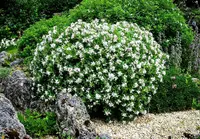
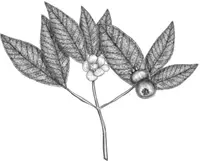
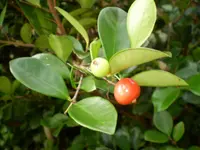
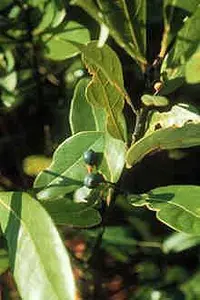
Redbay, Persea borbonia, is an evergreen tree native to the coastal southeastern United States. It belongs to the laurel family, related to avocado and bay laurel. The tree has dense, aromatic foliage with narrow, leathery leaves and a naturally upright, rounded crown. Small, inconspicuous flowers are followed by dark, berry-like fruits that attract wildlife. Redbay usually grows as a landscape or restoration tree rather than a container plant, so it suits larger outdoor spaces. It prefers sun to light shade, moist but well-drained soil, and protection from prolonged hard frost, which shapes how to care for redbay.

Main Plant Requirements

Care Difficulty

Moderate Care

Light Preference

Full Sun

Water Requirements

Regular Water

Temperature Preference

Warm Climate

Hardiness Zone

7–11

Soil Texture

Sandy, Loamy, Organic-rich

Soil pH

Acidic (5.5–6.5), Slightly acidic (6.5–7.0)

Soil Drainage

Moist but well-drained

Fertilization

Minimal (feed rarely)

Get Personalized Care Plan

Scan your plant to receive care tips personalized for your specific plant

Available on iOS and Android

How to Care for the redbay

Persea borbonia performs best in bright outdoor conditions with protection from harsh extremes.

  • Provide 6–8 hours of sun daily, with morning sun and light afternoon shade ideal, especially in hotter regions.
  • It tolerates partial shade, but dense shade reduces growth density and can lead to sparse foliage and fewer fruits.
  • In summer, protect young trees from intense late-afternoon sun to reduce leaf scorch; in winter, ensure at least a few hours of direct light.

This coastal species prefers steady soil moisture but dislikes prolonged saturation.

  • Water when the top 3–5 cm of soil feels dry; soil should be moist but not soggy after watering.
  • Use well-drained soil; pooling water or a sour smell signals poor drainage and risk of root rot in Persea borbonia.
  • In hot, dry months, monitor foliage for wilting or leaf edge browning as signs to increase watering; reduce frequency in cool or rainy seasons.

This species is adapted to warm, humid climates with mild winters.

  • Optimal growth occurs around 65–85°F (18–29°C), with stable temperatures promoting stronger shoots and foliage.
  • Mature trees can survive brief drops to about 15–20°F (-9 to -6°C), but young plants are damaged below 25°F (-4°C).
  • In summer, it tolerates 90–95°F (32–35°C) if soil moisture is consistent; prolonged hard frost can kill new growth and small branches.

This coastal species handles a wide humidity range but benefits from moderate ambient moisture.

  • Aim for 40–60% humidity, which suits most homes and supports steady leaf growth.
  • Redbay tolerates short dry-air spells, but prolonged very dry indoor air can cause leaf edge browning and tip dieback.
  • Increase humidity by grouping plants, placing the pot on a pebble tray with water below the pot base, or running a nearby humidifier in winter.

Persea borbonia prefers moist, well-drained, slightly acidic, sandy-loam substrates.

  • Use a mix of roughly 50% sandy loam or all-purpose potting mix, 25% compost, and 25% mineral material such as coarse sand or perlite for drainage.
  • Keep pH slightly acidic to neutral, around 5.5–7.0, as strongly alkaline substrates can reduce nutrient availability and cause chlorosis.
  • Ensure the soil structure stays loose and crumbly; avoid heavy clay or compacted ground that holds water around the roots.
  • Improve aeration by incorporating pine bark fines or shredded bark, especially in dense native soils that tend to crust or seal after rain.

This species can be grown in containers when young or maintained as a patio specimen with careful management.

  • Choose a deep, heavy pot to balance the woody top growth and reduce tipping in strong winds.
  • Select a container material that matches climate; terracotta helps excess moisture evaporate in humid regions, while thick plastic retains moisture in hot, dry areas.
  • Elevate the pot on feet or bricks so drainage holes stay clear, allowing rapid runoff and preventing water from pooling under the root zone.

Persea borbonia is a slow-growing native tree that needs only light, targeted feeding in most garden soils.

  • Use a balanced slow-release fertilizer (around 10-10-10) or a thin layer of compost once in early spring.
  • Apply at half the label rate for young or container-grown redbay to avoid root burn.
  • Skip additional feeding in midsummer if growth is healthy and foliage is medium to deep green.
  • Do not fertilize in late fall or winter, when the tree is dormant and nutrient demand is low.

Persea borbonia benefits from light structural pruning to maintain a healthy framework and clearance.

  • Carry out main pruning in late winter to early spring before new growth begins.
  • Remove dead, diseased, crossing, or storm-damaged branches with clean bypass pruners or a sharp hand saw.
  • Thin crowded inner branches selectively to improve air flow and light penetration, keeping the natural form.
  • Limit heading cuts; instead, shorten or remove entire branches at their origin to control size with minimal stress.

Persea borbonia is usually grown in the ground, so focus on careful transplanting rather than frequent repotting.

  • Transplant in late winter to early spring while the tree is still dormant and air temperatures are mild.
  • Look for circling roots, very slow container growth, or roots emerging from drainage holes as signs it has outgrown the pot.
  • Move up only 1 container size or replant into a wide, well-drained hole, keeping the root flare at soil level.
  • Water deeply before and after transplanting, shade the canopy for 1–2 weeks if possible, and maintain even soil moisture to limit transplant shock.

Persea borbonia is most often propagated from seeds, with cuttings used less commonly and with lower success.

  • Collect ripe berries in late summer to early fall, remove the fleshy outer layer, and sow seeds fresh for best germination.
  • Provide a well-drained, sandy mix and keep it evenly moist at 68–77°F to support slow, sometimes uneven germination.
  • For semi-hardwood cuttings, take material in late summer, use rooting hormone, and maintain high humidity under bright, indirect light.
  • Expect a long timeline; allow seedlings or rooted cuttings to form sturdy root systems before planting outdoors.

Persea borbonia is fairly cold hardy in much of its range and usually needs only modest winter care once established.

  • In regions colder than its usual range, mulch the root zone with 5–8 cm of bark or leaves, keeping mulch off the trunk.
  • For young trees, wrap the lower trunk with breathable tree wrap to reduce bark injury from freezing and thawing.
  • Move container-grown plants into a bright, cool, frost-free location and water sparingly but do not allow the root ball to dry out completely.

Care Tips

Windfirm training

In windy sites, stake young trees for the first 1–2 years and gradually loosen ties to train a single, flexible leader that will better resist storm damage later.

Bay laurel borer checks

Inspect trunks and main branches 2–3 times per year for small exit holes and sawdust-like frass, and remove and destroy any infested twigs promptly to slow spread of wood-boring insects.

Hurricane pruning

In late winter, thin crowded interior branches and reduce overly long, whip-like shoots by 20–30% to create a more compact, layered canopy that tolerates heavy rain and wind more safely.

Salt exposure management

In coastal areas, gently hose foliage with fresh water after salt spray events and apply a light organic mulch ring to buffer roots from salt splash and soil surface salinity.

Laurel wilt vigilance

When caring for redbay, monitor for rapid wilting and dark streaks under the bark, and if suspected, remove and dispose of the entire plant off-site to limit the spread of laurel wilt disease.

Common Pests and Diseases

Laurel wilt

This disease causes rapid wilting, leaf browning, and dieback, often killing branches or the entire tree within weeks. Symptoms include dark streaking in the sapwood under the bark.

Solution

Prune out and destroy affected branches as soon as symptoms appear and never move firewood or wood from infected trees to new areas. In landscapes, reduce beetle attraction by keeping trees healthy, and remove and destroy severely affected trees to slow spread; there is currently no reliable home treatment once a tree is heavily infected.

Redbay ambrosia beetle

This pest bores tiny holes into trunks and branches, introducing the laurel wilt fungus and producing fine, toothpick-like strands of sawdust on the bark. Symptoms include sudden canopy wilt following beetle attack.

Solution

Monitor trunks and major branches regularly and remove and destroy infested material to reduce beetle numbers. Avoid trunk injuries, do not store cut bay wood on-site, and in high-risk areas consult local extension services about trap placement or professional trunk-protectant treatments as part of broader Persea borbonia care.

Leaf spot

This disease causes small brown, tan, or black spots on leaves that may merge into larger blotches and lead to premature leaf drop. Symptoms include more severe spotting in warm, humid weather or on crowded plants.

Solution

Remove and discard heavily spotted leaves and any fallen leaves from around the plant to reduce fungal spores. Improve air circulation, avoid wetting the foliage when watering, and in persistent cases use a labeled copper or chlorothalonil fungicide, following label directions carefully.

Scale insects

These insects appear as small, rounded or oval bumps on stems and leaf undersides and may cause yellowing leaves and sticky honeydew. This pest often attracts sooty mold, a black fungus that grows on the honeydew.

Solution

Gently scrape or wipe off small infestations with a cloth or soft brush and prune heavily infested twigs. For larger problems, apply horticultural oil to thoroughly coat stems and leaf undersides, repeating as needed according to the product label to target young crawler stages.

Spider mites

These pests are tiny and often go unnoticed until fine webbing, stippled leaves, and dull, dusty-looking foliage appear, especially in hot, dry conditions. Symptoms include gradual leaf yellowing and reduced vigor.

Solution

Spray foliage with a strong stream of water to knock mites off and lower their numbers, focusing on leaf undersides. Increase humidity around the plant if possible and, if populations remain high, use insecticidal soap or horticultural oil, applied thoroughly and repeated as directed on the label.

Interesting Facts

Specialist butterfly host

The redbay is a primary larval host for the Palamedes swallowtail butterfly in the southeastern United States, providing food for its caterpillars on its leaves.

Laurel wilt vulnerability

Redbay populations have been severely reduced in many areas by laurel wilt, a fungal disease spread by the invasive redbay ambrosia beetle, making it a key example of how a single pathogen can alter coastal forest composition.

Aromatic evergreen wood

Its leaves and wood contain aromatic oils similar to other laurel family members, and the dense, decay-resistant wood has been used historically for items like boat parts, fence posts, and cabinetry in coastal regions.

Botan icon

Did you know?

Redbay seeds are a seasonal food source for a range of wildlife, and their oily drupes are dispersed primarily by birds such as wild turkey and various songbirds, which helps maintain this species in scattered coastal and wetland habitats.

FAQs about redbay

Growth is moderate. In suitable outdoor conditions, young trees often add 30–60 cm per year, occasionally more on fertile, moist sites. Growth slows as the canopy fills out, especially in shade or poor, compacted soil.

Grow Healthy Plants with Botan Care

Keep your plants happy and healthy with plant identification, disease detection, and easy care guidance.

Botan plant care app — identify plants on mobile

Explore More Plants