

Rock garden placement
Plant in narrow crevices between rocks or along wall edges so the roots stay cool and anchored while the foliage receives full light and excellent drainage, which greatly improves long-term clump stability.

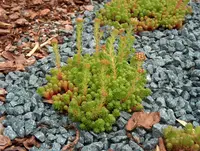
Rock stonecrop (Petrosedum forsterianum) is a small, mat-forming succulent often used in rock gardens, green roofs, and dry borders. It forms low cushions of fleshy, needle-like leaves and produces clusters of star-shaped yellow flowers in summer.
This species is native to rocky slopes and coastal cliffs in Western Europe, where it naturally copes with wind, sun, and scarce water. Its drought tolerance and modest nutrient needs make it easy to grow in containers and shallow, well-drained soils.
Gardeners who want to care for Rock Stonecrop should provide plenty of light, minimal watering, and gritty soil that dries quickly between waterings.

Care Difficulty
Easy Care

Light Preference
Full Sun

Water Requirements
Low Water

Temperature Preference
Cold Hardy

Hardiness Zone
5–9

Soil Texture
Sandy, Loamy, Rocky

Soil pH
Slightly acidic (6.5–7.0), Neutral (7.0)

Soil Drainage
Well-drained

Fertilization
Minimal (feed rarely)
Scan your plant to receive care tips personalized for your specific plant
Available on iOS and Android
This sun-loving alpine succulent thrives in bright conditions with several hours of direct light each day.
This drought-tolerant succulent prefers infrequent, deep watering and fast-draining soil.
This hardy succulent tolerates a wide temperature range when kept in dry, free-draining conditions.
This succulent tolerates a wide humidity range and rarely needs special humidity management.
This species requires very sharply drained, mineral-based soil to prevent root and stem rot.
This species is very suitable for container growing, especially in shallow, free-draining pots.
This drought-tolerant succulent needs only light feeding, so Rock Stonecrop thrives in lean, well-drained soils.
Petrosedum forsterianum benefits from light, timely pruning to keep mats dense and tidy.
This mat-forming succulent is usually grown in rock gardens or shallow containers and only needs infrequent repotting or transplanting.
New plants are commonly produced from small cuttings or division, making Petrosedum forsterianum simple to multiply.
This species is generally cold hardy in temperate climates and often needs little special winter care in the ground.

Plant Health Check
Not sure what's wrong with your plant? Check your plant's health inside the app.
This species naturally grows on acidic, often vertical rock faces and old stone walls in western Europe, anchoring itself in tiny crevices where very little soil collects.
Its needle-like leaves become noticeably thicker and more succulent in summer, an adaptation that allows the plant to store water through dry, exposed periods.
Petrosedum forsterianum occurs mainly in coastal and subcoastal regions of western Europe, with strong populations in the British Isles and Atlantic France, where it contributes to species-rich rocky outcrop vegetation.

In its native range, this species often colonizes man-made structures such as old slate roofs, mortared walls, and bridges, where it can form persistent mats that withstand wind, drought, and minimal substrate for many years.
This species forms low, slowly spreading mats through short, rooting stems. It is not generally aggressive and is easy to keep within bounds by lifting and thinning outer sections every few years if it reaches unwanted areas.
Keep your plants happy and healthy with plant identification, disease detection, and easy care guidance.

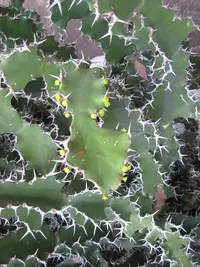
Grandthorn Noors
Euphorbia grandicornis
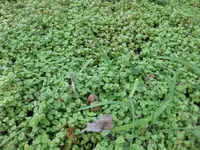
Crystal Stonecrop
Crassula pellucida
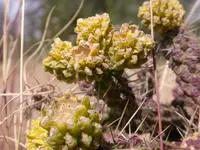
Whipple cholla
Cylindropuntia whipplei
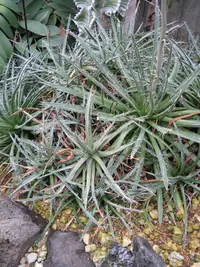
smallflower century plant
Agave parviflora
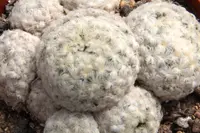
Feather Cactus
Mammillaria plumosa
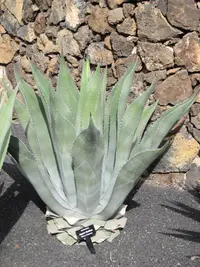
rough century plant
Agave asperrima
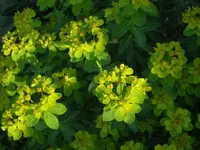
Jerusalem Spurge
Euphorbia hierosolymitana
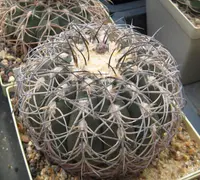
Gymnocalycium spegazzinii
Gymnocalycium spegazzinii