sunbright Care (Phemeranthus parviflorus)

Also known as: small-flowered rock-pink, prairie fameflower, prairie rock-pink, small-flower fameflower
sunbright

About sunbright

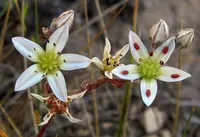
Sunbright, Phemeranthus parviflorus, is a small perennial succulent often grown for its bright, starry flowers and low, mat-forming habit. It stays compact, which makes it suitable for rock gardens and dry borders.

In nature, it occurs in dry, rocky sites and open prairies in parts of North America. Its fleshy leaves store water, so it tolerates heat and short dry periods better than many flowering perennials.

This species prefers strong light, sharp drainage, and relatively lean soil, which keeps growth tight and flowering reliable. Gardeners who understand how to care for sunbright usually find it a low-maintenance plant once established.

Main Plant Requirements

Care Difficulty

Easy Care

Light Preference

Full Sun

Water Requirements

Low Water

Temperature Preference

Cold Hardy

Hardiness Zone

4–9

Soil Texture

Sandy, Loamy, Rocky

Soil pH

Slightly acidic (6.5–7.0), Neutral (7.0)

Soil Drainage

Well-drained

Fertilization

Minimal (feed rarely)

Get Personalized Care Plan

Scan your plant to receive care tips personalized for your specific plant

Available on iOS and Android

How to Care for the sunbright

This sun-loving rock garden perennial needs strong, direct light to flower well.

  • Provide 6–8 hours of full sun daily; morning and midday sun give the best flowering for sunbright, while light afternoon shade is helpful in very hot climates.
  • Allow only light or dappled shade; in deeper shade plants stretch, flop, and produce noticeably fewer blooms.
  • In summer heat waves above 95°F (35°C), protect from harsh west-facing exposure with brief afternoon shade to limit leaf scorch and moisture stress.

This drought-tolerant perennial prefers infrequent, deep watering in sharply drained soil.

  • Water only when the top 3–5 cm of soil are completely dry; in most garden soils this means after several rain-free days rather than on a fixed schedule.
  • Use very well-drained, sandy or gravelly soil so water runs through quickly; standing water or heavy clay strongly increases root-rot risk.
  • Reduce watering in cool seasons when growth slows; wrinkling or limp stems suggest underwatering, while yellowing, mushy bases indicate overwatering in Phemeranthus parviflorus.

This species thrives in warm, dry conditions and tolerates a fairly wide outdoor temperature range.

  • Aim for active growth in 65–85°F (18–29°C); flowering is strongest with warm days and slightly cooler nights.
  • Mature plants usually tolerate short dips to about 10–15°F (-12 to -9°C) in well-drained soil, but repeated freeze-thaw in wet sites increases crown loss.
  • During extreme heat above 95°F (35°C), provide extra mulch around but not touching the crown and light afternoon shade to limit stress and tissue scorch.

Humidity is rarely a concern for this drought-adapted species when grown as sunbright in typical indoor or outdoor conditions.

This species prefers very fast-draining, sandy conditions that mimic its rocky native habitats.

  • Use a gritty mix such as 50–70% coarse sand or fine gravel blended with cactus or succulent potting mix.
  • Aim for slightly acidic to neutral pH, roughly 6.0–7.2, avoiding strongly acidic or alkaline substrates.
  • Ensure the mix is loose and well aerated; avoid peat-heavy, compacted, or water-retentive formulations that stay wet.
  • If native soil is heavy clay, grow in raised beds or mounded, amended spots to keep the root zone sharply drained.

This species is well suited to container growing in sunny, exposed positions.

  • Choose a wide, shallow pot to accommodate its fibrous root system and spreading habit without excessive depth that traps water.
  • Select a mineral or unglazed clay container to help excess moisture evaporate more quickly from the root zone.
  • Elevate the pot on feet or bricks so drainage holes clear freely and runoff cannot pool under the container.

This drought-adapted native needs minimal feeding, so focus on lean, well-drained soil rather than heavy fertilizer use when caring for sunbright.

  • If growth is very weak in poor soil, apply a light top-dressing of compost in early spring.
  • In containers, use a low-dose, balanced NPK fertilizer at 1/4 strength once at the start of the growing season.
  • Avoid feeding in late summer and winter, as extra nutrients during dormancy encourage weak, frost-prone growth.

Pruning Phemeranthus parviflorus is simple and mainly aimed at tidiness and maintaining a low, compact form.

  • Best time is late winter or very early spring before strong new growth starts.
  • Pinch or shear back spent flower stems and straggly shoots to encourage denser mounds and more blooms.
  • Remove dead, damaged, or diseased stems with clean, sharp scissors or snips to reduce disease risk.
  • Avoid cutting into the woody crown; focus on soft, current-season growth.

This species is usually grown in the ground, so focus on careful transplanting rather than frequent repotting.

  • Transplant in spring once soil has warmed and the risk of hard frost has passed.
  • Move only when necessary, such as poor drainage or overcrowding, since mature clumps resent disturbance.
  • Choose a very well-drained, gritty site and plant at the same depth, spreading roots gently to reduce stress.
  • Water lightly after planting, then allow soil to dry between waterings so roots re-establish without rotting.

Phemeranthus parviflorus is most commonly propagated from seed, with vegetative methods used less often.

  • Collect ripe seed in late summer and sow in fall or very early spring in a sharply drained, sandy mix.
  • Provide full sun, good air flow, and cool to mild temperatures for germination.
  • Keep the medium just barely moist; excess water quickly rots seedlings.
  • For division, separate small clumps in spring, keeping root disturbance minimal and replanting into gritty soil.

In most of its hardiness range this plant is quite cold tolerant and needs only light winter attention.

  • In colder regions, apply a thin gravel or grit mulch to improve drainage around the crown.
  • Avoid heavy organic mulch that holds moisture against the roots in freezing conditions.
  • Container plants in zones with prolonged freezes should be moved to a cold, bright, frost-free shelter.

Care Tips

Encourage Dense Clumps

Pinch back or lightly shear spent flowering stems after the main bloom to encourage dense, low clumps and a heavier second flush of flowers when growing sunbright.

Gravel Topdressing

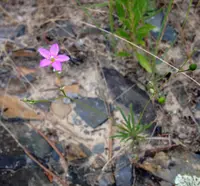
Apply a 1–2 cm layer of coarse grit or small gravel around the crowns to keep the neck of the plant dry, reduce crown rot risk, and maintain the sharp drainage this species requires.

Winter Wet Protection

In climates with cold, wet winters, place plants in slightly tilted or raised positions (rock crevices, slopes, or mounded beds) so excess water runs off the crowns and roots instead of pooling around them.

Propagation By Division

Divide mature clumps in early spring by gently teasing apart sections with both roots and shoots, then replant into sharply drained, gritty soil to quickly establish a larger planting or to refresh older clumps.

Weed And Root Competition

Keep the immediate root zone free of mulch and aggressive neighboring plants, since this species performs best when its fine roots do not compete with dense groundcovers or heavy organic mulches.

Common Pests and Diseases

Mealybugs

This pest sometimes hides in tight stem joints and among older leaves, sucking sap and weakening plants in containers or crowded rock gardens. Symptoms include cottony white clusters, slow growth, and occasional leaf yellowing or drop.

Solution

Isolate affected plants, then dab visible insects with cotton swabs dipped in 70% isopropyl alcohol or wash the plant with a firm stream of water, allowing soil to dry quickly afterward. For persistent infestations in sunbright indoor care, use a light horticultural oil or insecticidal soap labeled for succulents, repeating every 7–10 days until no new insects appear.

Aphids

These insects can cluster on tender new shoots and flower stalks, feeding on sap and causing distortion of growth. Symptoms include sticky honeydew, curling or twisted tips, and reduced flowering.

Solution

Rinse colonies off with a strong but controlled stream of water, focusing on flower stems and new growth, and repeat as needed. In more severe cases, apply insecticidal soap or a low-rate neem oil spray in early morning, ensuring thorough coverage while keeping foliage dry by nightfall.

Spider mites

This pest becomes a problem in hot, dry conditions, particularly for plants grown in containers or indoors. Symptoms include fine webbing, tiny pale speckles on leaves, and a general dull or dusty appearance.

Solution

Increase humidity around the plant without over-wetting the soil, and rinse foliage with a gentle but thorough spray of water, including leaf undersides. If mites persist, use a miticide or insecticidal soap specifically labeled for mites, applied 2–3 times at 5–7 day intervals while monitoring for new webbing.

Stem or crown rot

This disease affects plants in poorly drained or overwatered conditions, especially in heavier soils or containers without adequate drainage. Symptoms include mushy or darkened stems at the base, sudden collapse of shoots, and a foul or sour smell from the crown area.

Solution

Remove and discard affected plants or rotted sections, and improve drainage by using a very gritty, fast-draining mix and a pot or site that dries quickly. Reduce watering frequency, avoid overhead irrigation, and keep the crown at or slightly above the soil surface to limit prolonged moisture contact.

Interesting Facts

Rock crevice specialist

This species typically anchors itself in thin soil pockets on sandstone or limestone outcrops, using a fleshy taproot to access moisture deep in rock fissures where many other plants cannot survive.

Heat-timed flowering

The small pink to magenta flowers usually open only in bright, warm afternoon light and often close again by evening, an adaptation that helps protect pollen from cool, damp morning conditions.

Succulent-like leaves

Although not a desert cactus, it has narrow, somewhat succulent leaves that store water and reduce surface area, helping the plant tolerate hot, exposed sites with rapid drainage.

FAQs about sunbright

This species stays relatively compact and forms small clumps rather than running. It can self-seed in open, rocky soil, but usually not to a problematic level. Unwanted seedlings are easy to remove by hand.

Grow Healthy Plants with Botan Care

Keep your plants happy and healthy with plant identification, disease detection, and easy care guidance.

Botan plant care app — identify plants on mobile

Explore More Plants