Wrinkled Crust Care (Phlebia radiata)

Also known as: Spreading Phlebia
Wrinkled Crust

About Wrinkled Crust

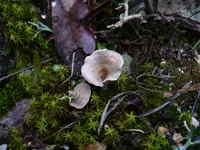
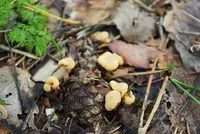
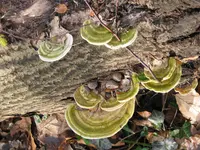
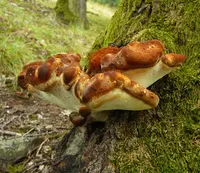
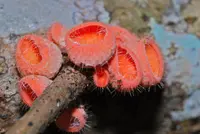
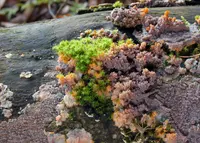
Wrinkled crust, Phlebia radiata, is a saprophytic fungus that decomposes dead wood rather than a typical leafy houseplant. It forms thin, bright orange to reddish crust-like patches with a distinctly wrinkled, slightly rubbery surface that spreads across fallen logs or stumps. This species occurs widely in temperate forests, especially on decaying hardwood in North America, Europe, and parts of Asia. It plays an important ecological role by breaking down lignin, a tough structural component of wood. In cultivation, it is grown mainly by fungal enthusiasts on sterilized wood or woody substrates under cool, consistently moist, shaded conditions. It is not a beginner subject, since understanding how to care for Wrinkled Crust requires controlled humidity and clean, stable environments.

Main Plant Requirements

Care Difficulty

Moderate Care

Light Preference

Shade

Water Requirements

Keep Soil Moist

Temperature Preference

Cool Climate

Hardiness Zone

Unknown

Soil Texture

Loamy, Silty, Organic-rich

Soil pH

Strongly acidic (4.5–5.5), Acidic (5.5–6.5)

Soil Drainage

Moist but well-drained

Fertilization

Minimal (feed rarely)

Get Personalized Care Plan

Scan your plant to receive care tips personalized for your specific plant

Available on iOS and Android

How to Care for the Wrinkled Crust

This wood‑decay fungus thrives in shaded, forest-like light conditions rather than direct sun.

  • Site Phlebia radiata on decaying logs or stumps in full to deep shade, with no more than 1–2 hours of weak early-morning sun.
  • Provide dappled or filtered light under trees; strong midday or afternoon sun dries the substrate and shrinks Wrinkled Crust.
  • In summer, protect from leafless canopy gaps and reflective surfaces; in winter, reduced day length is acceptable if the substrate stays moist.

This fungus requires consistently moist, never waterlogged, woody substrate to fruit and spread well.

  • Keep the log or stump evenly moist; if the outer 2–5 cm feel dry or lightweight, thoroughly re-wet, then let excess drain away.
  • Ensure the wood is not sitting in standing water, which encourages anaerobic rot and foul odor rather than Phlebia radiata growth.
  • Increase misting or gentle soaking during hot, windy, or low-humidity periods, and reduce soaking frequency in cool, wet seasons to avoid soggy conditions.

Stable, cool to mild temperatures support reliable growth and fruiting on wood surfaces.

  • Aim for 50–70°F (10–21°C) as the main activity range, where colonization and fruiting body formation are most consistent.
  • Tolerates down to about 32°F (0°C) with slowed activity but is sensitive to hard frost below 28°F (-2°C), which can damage exposed fruiting layers.
  • Handles short warm spells up to 80°F (27°C) if the substrate stays shaded and moist, but prolonged heat above this can dry the wood and halt growth.

This wood-decay fungus prefers consistently moist air and substrate to fruit well in cultivation.

  • Aim for 70–90% humidity around Wrinkled Crust, especially during active fruiting.
  • Watch for pale, shrunken, or cracked fruiting bodies as signs of humidity stress or prolonged drying.
  • Increase humidity by misting nearby surfaces, placing culture trays in a humid chamber, or covering with ventilated plastic to retain moisture without stagnation.

For Phlebia radiata cultivation, the key is a moist, oxygenated, organic substrate rather than typical garden soil.

  • Use finely shredded hardwood, sawdust, or decayed wood mixed with 10–20% well-matured compost for structure and nutrients.
  • Keep the substrate moist but never waterlogged; excess free water reduces oxygen and encourages competing molds.
  • Maintain a slightly acidic environment, roughly pH 5.0–6.5, by using hardwood-based materials and avoiding lime or alkaline additives.
  • Improve aeration by loosely packing the substrate and, if using containers or bags, adding small air exchange holes instead of compressing the mix.

This species can be grown in containers when provided with a stable, moist wood-based substrate.

  • Choose wide, shallow trays or boxes so the fungus can spread laterally across the surface of the woody substrate.
  • Drill several side ventilation holes above the substrate line to improve gas exchange without letting the culture dry out quickly.
  • Use opaque or dark containers to limit light on the substrate, which helps maintain moisture and reduces surface overheating.

Phlebia radiata, commonly called Wrinkled Crust, is a wood-decaying fungus that normally does not require any fertilization in cultivation or observation settings.

Phlebia radiata does not need conventional pruning, but fruiting bodies can be tidied for aesthetic or research reasons.

  • If desired, remove old, dried, or heavily decomposed fruiting tissue at any time using clean, sharp scissors or a knife.
  • Cut close to the substrate surface without gouging the underlying wood to avoid unnecessary damage.
  • Periodic removal of spent brackets can improve visibility of new growth for monitoring or study.
  • Disinfect tools with alcohol before and after cutting to limit spread of unwanted fungi or pathogens.

This species is typically established on logs or woody debris, so care focuses on renewing or relocating the substrate rather than true repotting.

  • Consider transplanting when the wood is fully decomposed, fruiting declines, or contamination by other fungi is severe.
  • Best timing is in cool, moist conditions of spring or early fall to reduce desiccation stress on the mycelium.
  • Every 2–3 years, introduce fresh hardwood pieces and gently transfer colonized wood segments onto or near the new substrate.
  • Handle colonized wood carefully, keeping it shaded and moist, and avoid breaking it apart to minimize damage to the fungal network.

Propagation of Phlebia radiata is usually done for research or specialized cultivation rather than home growing.

  • Use spore prints on sterile agar as a primary method, working in the cleanest conditions possible.
  • Once a pure culture forms, transfer it to sterilized grain or sawdust substrate for expansion.
  • Best growth occurs at moderate temperatures and high humidity, with the substrate kept evenly moist but not waterlogged.
  • Label cultures with date and source, and keep multiple back-ups to guard against contamination losses.

This wood-inhabiting fungus is cold hardy in its natural range and generally needs no special winter care outdoors.

Care Tips

Use hardwood blocks

Inoculate clean, undecayed hardwood blocks or chips (birch, maple, beech, oak) that are fully hydrated but surface-dry, as this provides the dense lignin-rich substrate that Phlebia radiata needs to form its characteristic wrinkled fruiting crusts.

Thin, not deep, substrate

Spread wood chips or shavings in a shallow 2–4 cm layer rather than a deep pile so that the mycelium receives enough oxygen and can develop broad, even fruiting patches on the surface.

Maintain surface moisture

Mist the exposed wood surface lightly once or twice a day in active growth periods so it stays evenly damp but never dripping, since excessive free water will reduce oxygen and suppress good crust formation when growing Wrinkled Crust.

Encourage fresh air

Provide gentle but regular air exchange (e.g., loose-fitting lid, vent holes, or a fan on low nearby) to avoid stagnant, CO₂-rich air that can slow mycelial spread and increase contamination risk.

Rotate colonized pieces

Once a piece of wood is mostly colonized, periodically rotate or slightly reposition it so new edges are exposed to air and light, which can stimulate additional wrinkled fruiting areas on fresh surfaces.

Common Pests and Diseases

Mycophagous springtails

These insects feed on fungal tissue and can graze the soft fruiting surface, leaving roughened, pitted, or eroded patches on the wrinkled crust. This pest is usually found in very damp, decaying wood where the fungus is growing.

Solution

Limit excess surface moisture and standing water around cultivated logs or display pieces, and improve airflow to keep the substrate moist but not waterlogged. If numbers are high, physically rinse or brush them off the fruiting surface and surrounding bark, then relocate the wood to a slightly drier, cooler, and better-ventilated spot to discourage recolonization.

Woodlice

These insects (also called pillbugs or sowbugs) shelter and feed in decaying logs and may chew at the edges of the fruiting body, causing irregular margins and small missing sections. This pest builds up where heavily rotted wood stays in constant contact with very damp soil or litter.

Solution

Raise logs or decorative wood slightly off the ground on bricks or racks to reduce hiding places, and keep thick, wet leaf litter away from contact points. Gently dislodge woodlice by lifting and tapping the wood or hand-removing them, and maintain moderate, not saturated, moisture in outdoor or indoor display setups as part of practical Phlebia radiata care.

Competing saprotrophic fungi

This disease issue occurs when other wood-decaying fungi colonize the same log and overgrow or replace the wrinkled crust, leading to patchy loss, discolored areas, or different textured fungal growths on the same substrate. Symptoms include shrinking or disappearance of the distinctive orange, wrinkled surface over time.

Solution

When cultivating on logs, remove and discard heavily overgrown sections and, if possible, cut away pieces dominated by competitor fungi. Use fresh, clean hardwood logs for new cultures, avoid mixing many different inoculated species on the same piece of wood, and maintain stable moisture and shade so the intended fungus establishes dense, continuous coverage quickly.

Fungal parasitic molds

This disease appears as fine white, gray, or sometimes greenish mold growing over the crust, which can dull its color and slow its growth or spore production. This pest fungus exploits very humid, stagnant air and overly wet surfaces.

Solution

Increase airflow around the wood, reduce constant surface wetting, and allow the top layer to dry slightly between misting while keeping the log interior moist. If parasitic mold appears, gently brush or rinse off affected areas and move the wood to a cooler, shaded, and better-ventilated position to favor recovery of the crust-forming fungus.

Interesting Facts

Bright orange crust

This fungus forms thin, bright orange to reddish, wrinkled crusts on dead hardwood, especially birch and other broadleaf trees, rather than producing typical mushroom caps.

Efficient wood decomposer

It is a white-rot fungus that breaks down both lignin and cellulose in wood, playing an important role in nutrient cycling and forest decomposition processes.

Cold-season fruiting

The fruiting bodies often appear in cool, damp conditions and can be seen from autumn through winter in many temperate regions, at times when many other fungi are absent.

Botan icon

Did you know?

Phlebia radiata has been studied for its strong lignin-degrading enzyme system, and these enzymes are used as model tools in research on biotechnological applications such as biopulping and bioremediation of polluted environments.

FAQs about Wrinkled Crust

This fungus spreads gradually across damp, decaying wood rather than aggressively through soil. It forms thin, crust-like patches that can merge over time, but it does not overrun healthy plants or living trees.

Grow Healthy Plants with Botan Care

Keep your plants happy and healthy with plant identification, disease detection, and easy care guidance.

Botan plant care app — identify plants on mobile

Explore More Plants