Phlebiopsis gigantea Care

Phlebiopsis gigantea

About Phlebiopsis gigantea

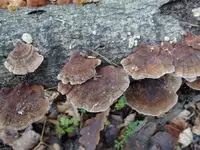
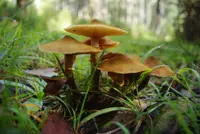
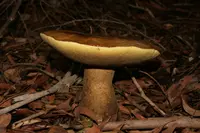
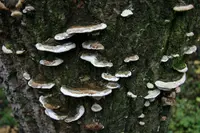
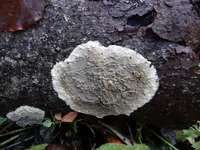
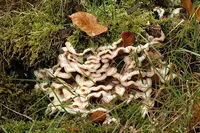
Phlebiopsis gigantea is a wood-decay fungus, not a typical leafy plant. It forms thin, crust-like patches on dead conifer wood, especially pine and spruce. The surface is usually whitish to pale orange and tightly attached to the bark or exposed wood. It plays an important ecological role by breaking down lignin, the tough structural material in wood. In nature, it occurs widely across temperate forests in the Northern Hemisphere. Cultivation is specialized and usually done for forestry or research purposes rather than home growing. Those who care for Phlebiopsis gigantea typically focus on providing fresh conifer wood, stable moisture, and cool, shaded conditions.

Main Plant Requirements

Care Difficulty

Moderate Care

Light Preference

Partial Shade

Water Requirements

Moderate Water

Temperature Preference

Cool Climate

Hardiness Zone

Unknown

Soil Texture

Loamy, Organic-rich

Soil pH

Acidic (5.5–6.5)

Soil Drainage

Moist but well-drained

Fertilization

Minimal (feed rarely)

Get Personalized Care Plan

Scan your plant to receive care tips personalized for your specific plant

Available on iOS and Android

How to Care for the Phlebiopsis gigantea

This wood-decaying fungus prefers stable, indirect light rather than strong direct sun.

  • Provide bright, indirect light or light shade, such as dappled woodland conditions, for 4–6 hours per day.
  • Avoid strong midday and afternoon sun, which can overheat the substrate and dry exposed wood too quickly; morning sun with filtered light later in the day is safer.
  • In summer, increase shade or use a light screen; in winter, allow more open exposure so the surface still receives several hours of diffuse daylight.

Moist but not waterlogged conditions support consistent colonization of the wood substrate.

  • Keep the host wood or substrate evenly moist, allowing the outer 2–5 cm to dry slightly between soakings rather than staying saturated.
  • Use well-drained, aerated material so water can move through freely; persistent pooling or foul odor indicates excess moisture and oxygen deprivation.
  • Increase moisture checks during hot, dry periods, and reduce watering in cool, damp seasons; slow growth and dry, cracked surfaces suggest underwatering, while moldy, slimy patches indicate overwatering.

Stable cool to mild temperatures favor reliable growth and colonization.

  • Aim for an active growth range of 50–70°F (10–21°C), where wood breakdown and mycelial spread are most consistent.
  • Short exposures down to about 23–25°F (-5 to -4°C) are often tolerated in dormant periods, but repeated hard freezes can slow or damage colonization.
  • Heat above 80°F (27°C), especially if combined with low humidity, can stress the fungus and dry the substrate, so provide shade and extra moisture buffering in hot seasons.

Humidity is not a major factor for Phlebiopsis gigantea, which naturally tolerates varied moisture in the air.

  • Target 40–60% relative humidity, typical of most indoor and outdoor environments in temperate regions.
  • It tolerates short periods of drier air if the substrate moisture is kept consistent and not fully dried out.
  • Watch for slowed growth or dry, hardened surface mycelium as signs the air and substrate are staying too dry.

This wood-decay fungus grows best on moist, well-aerated, lignin-rich substrates rather than conventional potting soil.

  • Provide a coarse, woody substrate such as chipped conifer wood, sawdust, or bark with particle sizes around 5–20 mm for structure.
  • Ensure drainage is free by using a shallow layer of coarse bark or gravel at the base so water does not pool under the colonized wood.
  • Maintain slightly acidic to neutral conditions, roughly pH 5.0–7.0, by using fresh softwood chips and avoiding lime or alkaline amendments.
  • Keep the substrate evenly moist but never waterlogged; excess standing water reduces oxygen and can favor competing fungi or bacterial rot.

This species is only conditionally suitable for container growing, mainly for experimental or inoculation purposes rather than ornamental culture.

  • Use wide, shallow containers to spread woody substrate in a thin layer, which improves gas exchange and helps the mycelium colonize evenly.
  • Choose rigid plastic tubs or boxes that retain moisture but drill multiple side and bottom holes to prevent anaerobic, stagnant zones.
  • Elevate the container on blocks or a mesh rack so drainage holes stay clear and air can move around the base of the substrate volume.

This wood-decay fungus is usually grown on timber or agar and has minimal fertilizer needs.

Phlebiopsis gigantea grows as a crust fungus on wood and does not require horticultural pruning.

Cultivation of this fungus focuses on moving colonized substrate rather than classic repotting.

  • Transplant in cool conditions to reduce stress on the mycelium and limit contamination risk.
  • Shift colonized plugs or dowels into fresh logs when white mycelial growth is strong and even.
  • Minimize disturbance by transferring intact substrate blocks instead of breaking them apart.
  • Work quickly with clean tools and containers to keep competing fungi and bacteria low.

In practice, Phlebiopsis gigantea is propagated mainly for biological control on conifer stumps.

  • Use spawn plugs, colonized dowels, or mycelium grown on sterile grain as starting material.
  • Prepare fresh conifer stumps or logs in cool, moist conditions, ideally in spring or early fall.
  • Drill holes or expose fresh wood, then insert spawn so it contacts clean, uncolonized tissue.
  • Maintain moderate moisture and good air exchange to allow the mycelium to spread through the wood.

This species is cold hardy on outdoor timber and usually needs no special winter care.

Care Tips

Select clean logs

Use freshly cut, healthy conifer logs with intact bark and minimal existing decay to give this wood-decaying fungus a competitive advantage over other colonizing fungi.

Pre-drill consistent holes

Drill evenly spaced holes of uniform depth and diameter along the log to ensure the inoculum reaches similar wood layers, which promotes more uniform colonization and decay.

Seal inoculation points

After inserting spawn or plugs, seal holes with hot wax or a suitable plug sealant to reduce moisture loss and block entry of competing fungi and insects.

Store logs correctly

Stack inoculated logs off bare soil on pallets or rails in a shaded, well-ventilated area to limit contamination from soilborne organisms and prevent waterlogging.

Monitor decay progress

Periodically check bark firmness, wood softness, and color changes in cross-sections from sacrificial test pieces to track colonization speed and adjust future Phlebiopsis gigantea care instructions for your specific site conditions.

Common Pests and Diseases

Competing saprophytic fungi

This disease occurs when other wood-decay fungi colonize the same stump or log and compete for space and nutrients, reducing colony vigor and fruiting of this species. Symptoms include patchy or suppressed white mycelial crusts where Phlebiopsis would normally form a uniform layer.

Solution

Physically remove bark sections or wood patches visibly dominated by other fungi, then re-inoculate fresh-cut, clean wood surfaces with vigorous Phlebiopsis gigantea cultures or plugs. Keep inoculated wood shaded and moderately moist, but not waterlogged, to favor rapid colonization and outcompete the unwanted fungi.

Wood-boring beetle larvae

These insects tunnel through colonized logs or stumps, breaking up mycelial mats and altering moisture inside the wood, which can slow spread and fruiting. Symptoms include small round exit holes, frass (fine sawdust), and disrupted or patchy fungal crusts along galleries.

Solution

Cut and remove heavily tunneled sections and, when possible, use freshly cut, sound wood for new inoculations. Store colonized wood off bare soil, under cover, and with good airflow to make the habitat less favorable for beetle development; in high-pressure areas, consider using fine mesh covers over valuable inoculated pieces to reduce new oviposition.

Mold contamination

This disease appears when fast-growing molds such as Trichoderma or Penicillium overgrow inoculated wood surfaces, especially under very damp, stagnant conditions. Symptoms include green, blue, or dark powdery patches on or above the white crust of the target fungus.

Solution

Scrape off visibly moldy surface layers, expose clean wood, and allow the material to dry slightly under strong but indirect light and good airflow. For new inoculations, use clean tools, avoid standing water, and maintain moderate moisture only, which strongly favors more stable Phlebiopsis gigantea care compared with aggressive molds.

Slugs and snails

These pests feed on soft, freshly formed fruiting bodies and margins of the crust, leaving irregular bite marks and slime trails. Symptoms include ragged edges on new growth and reduced or distorted fruiting on lower, damp sections of logs or stumps.

Solution

Hand-pick slugs and snails during cool, damp periods and reduce nearby hiding places such as dense mulch or debris. Elevate key inoculated pieces on bricks or racks and, where necessary, place copper tape barriers or iron-phosphate-based bait around the area rather than directly on the fungal colony.

Interesting Facts

Specialist conifer colonizer

This fungus is highly specialized in colonizing freshly cut stumps and logs of conifers, especially pine, where it rapidly occupies the wood surface and tissues before other more destructive fungi can establish.

Biocontrol against root rot

Forestry scientists use this species as a biological control agent against the pathogenic fungus Heterobasidion annosum, applying its spores to fresh conifer stumps to reduce infection and subsequent root rot in managed forests.

Efficient white rot decomposer

It is a white rot basidiomycete that breaks down lignin, the rigid structural polymer in wood, which accelerates decomposition and plays a key role in nutrient cycling in boreal and temperate conifer forests.

Botan icon

Did you know?

This species has been developed into commercial stump treatment formulations in northern European forestry, and large areas of pine and spruce plantations are routinely treated with its spores each year to protect stands from Heterobasidion root and butt rot.

FAQs about Phlebiopsis gigantea

This wood-decay fungus is widely used in forestry as a biological control agent against root and butt rot caused by Heterobasidion species. It colonizes freshly cut conifer stumps, outcompeting the harmful pathogen and reducing timber losses.

Grow Healthy Plants with Botan Care

Keep your plants happy and healthy with plant identification, disease detection, and easy care guidance.

Botan plant care app — identify plants on mobile

Explore More Plants