Pacific Island clearweed Care (Pilea peploides)

Pacific Island clearweed

About Pacific Island clearweed

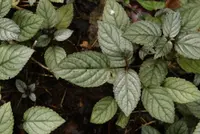
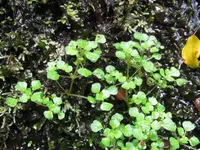
Pacific Island clearweed (Pilea peploides) is a small, creeping perennial from moist forests and shaded habitats in the Pacific region. It belongs to the nettle family but lacks stinging hairs. The plant forms low, mat-like growth with thin, trailing stems and small, rounded green leaves that create a soft, delicate texture. It is often used as a groundcover in terrariums, under larger houseplants, or in shaded outdoor containers in mild climates. Pilea peploides generally prefers bright, indirect light, consistent moisture, and a loose, well-drained substrate. These traits make it moderately easy to care for Pacific Island clearweed if watering is kept steady and the soil does not stay waterlogged.

Main Plant Requirements

Care Difficulty

Moderate Care

Light Preference

Bright Indirect Light

Water Requirements

Keep Soil Moist

Temperature Preference

Tropical / Frost Sensitive

Hardiness Zone

11–12

Soil Texture

Loamy, Silty, Organic-rich

Soil pH

Acidic (5.5–6.5), Slightly acidic (6.5–7.0)

Soil Drainage

Moist but well-drained

Fertilization

Light (every 4–6 weeks)

Get Personalized Care Plan

Scan your plant to receive care tips personalized for your specific plant

Available on iOS and Android

How to Care for the Pacific Island clearweed

Pilea peploides prefers soft, filtered light that mimics a bright forest floor.

  • Provide 3–5 hours of bright, indirect light per day, such as near an east- or north-facing window, or under light shade outdoors.
  • Tolerates partial shade, but in very low light stems stretch and leaves reduce in size; move slightly closer to the light source if growth becomes leggy.
  • Protect Pacific Island clearweed from strong midday and afternoon sun, which can cause leaf scorch; use sheer curtains or dappled shade, especially in summer.

This species prefers evenly moist but not saturated soil.

  • Water when the top 2–3 cm of soil feel dry to the touch; pour slowly until excess drains away, then discard any collected water.
  • In spring and summer, expect to water more often as growth and evaporation increase; in fall and winter, extend the interval once growth slows.
  • Watch leaves for cues: limp, curling, and dry-edged foliage suggests underwatering, while yellowing, soft leaves and a sour smell in the soil indicate overwatering or poor drainage.

This plant favors mild, stable temperatures without extremes.

  • Aim for 65–80°F (18–27°C) for active growth, which suits typical temperate homes and mild outdoor conditions.
  • Avoid temperatures below 50°F (10°C); short dips to 45°F (7°C) may be survived but can slow growth and increase stress.
  • Protect from frost and from hot, stagnant air above 86°F (30°C); provide shade and airflow in heat and move plants away from cold drafts or uninsulated windows in winter.

This species prefers moderately moist air but adapts to most home conditions.

  • Aim for 40–60% humidity to keep foliage turgid and growth steady for Pacific Island clearweed.
  • It tolerates short spells of drier air, but prolonged humidity below 35% may cause crisp leaf edges and slower growth.
  • If air is dry, group plants, place the pot on a pebble tray with water below the pot base, or run a small humidifier nearby.

This species does best in a light, airy, fast-draining mix that still holds some moisture.

  • Use a loose, organic-rich mix such as 2 parts all-purpose potting mix, 1 part fine bark, and 1 part perlite for Pilea peploides.
  • The mix should feel crumbly, not sticky, allowing water to drain within seconds while remaining slightly damp, not soggy.
  • Keep pH roughly neutral to slightly acidic, around 6.0–7.0, to support nutrient uptake without risk of toxicity or deficiency.
  • Avoid heavy clay, pure compost, or mixes that stay wet for many hours, as low oxygen around the roots increases rot risk.

This trailing species is well suited to container growing.

  • Choose a wide, shallow pot to accommodate its spreading root system and to keep the plant visually balanced as stems drape over the rim.
  • Select a container material that matches your watering style; porous terracotta dries faster than glazed ceramic or plastic, which hold moisture longer.
  • Ensure drainage holes are completely unobstructed so excess water exits quickly, preventing the fine roots from sitting in a saturated layer at the pot base.

Pilea peploides responds well to light, consistent feeding during active growth but does not need heavy fertilization.

  • Use a balanced liquid fertilizer (around 10-10-10 or 20-20-20) diluted to 1/4–1/2 strength for Pacific Island clearweed.
  • Feed every 4–6 weeks in spring and summer when growth is active.
  • Reduce or stop feeding in fall and winter when growth slows.
  • Avoid compost-heavy mixes that stay soggy, and never apply fertilizer to very dry soil.

Pruning Pilea peploides helps maintain a compact, tidy form and encourages fresh growth.

  • Best time is late winter to early spring, before strong new growth starts.
  • Use clean, sharp scissors or small snips to remove dead, yellowing, or damaged stems and leaves.
  • Thin out crowded or leggy stems to improve light penetration and air flow.
  • Pinch or trim stem tips to promote branching and a fuller mat of foliage.

This plant adapts well to containers and benefits from occasional repotting to refresh soil and manage spread.

  • Check for roots circling the pot, pushing through drainage holes, or unexplained slow growth as repotting signals.
  • Repot every 1–2 years in spring, moving to a pot only 2–3 cm wider with good drainage.
  • Gently loosen circling roots and remove some old soil to reduce congestion without tearing roots heavily.
  • Water lightly after repotting, keep in bright, indirect light, and avoid fertilizing for 2–3 weeks to limit transplant stress.

Propagation of Pilea peploides is straightforward and commonly done to create dense mats or share plants.

  • Divide clumps in spring, separating rooted sections and replanting them at the same depth in fresh, moist mix.
  • Use stem cuttings with several nodes, placing lower nodes in water or moist, airy substrate.
  • Provide bright, indirect light, high humidity, and stable warmth around 68–75°F for rooting.
  • Keep the rooting medium just moist, not wet, and avoid strong fertilizer until new growth appears.

This species is tender and needs protection from frost, especially in regions with cold winters.

  • Keep temperatures above 50°F; foliage can be damaged by light frost and killed by hard freezes.
  • Move container plants indoors before night temperatures drop consistently below 55°F.
  • Indoors, place in bright, indirect light and reduce watering so soil stays slightly moist, not wet.
  • In mild climates, use a light mulch layer around outdoor plantings to buffer brief cool spells.

Care Tips

Low, wide container

Use a shallow, wide pot to match the plant’s naturally creeping habit and encourage dense groundcover-like growth rather than tall, weak stems when growing Pacific Island clearweed.

Gentle tip pinching

Pinch back just the last 0.5–1 in of the soft stem tips every few weeks to promote branching and create a fuller, cushion-like mat of foliage.

Edge spillover training

Place the plant near the pot edge and occasionally guide new stems over the rim so they drape naturally, checking that no stems are trapped under the pot or kinked against hard edges.

Root-bound check

Inspect drainage holes every few months and slide the plant partly out of the pot; if you see tight root coils around the outer soil, shift it up one pot size to prevent growth stall and sudden wilting episodes.

Quarantine and inspect

Quarantine any new houseplants for 10–14 days and check the fine stems and leaf undersides with a handheld magnifier to catch early spider mites or aphids before placing them near established specimens.

Common Pests and Diseases

Spider mites

This pest thrives on Pilea peploides in warm, dry indoor air and causes fine stippling, dull foliage, and delicate webbing on stems and leaf undersides.

Solution

Rinse foliage thoroughly under a gentle shower, including the undersides of leaves, then increase humidity and reduce heat stress; for persistent infestations, use repeated applications of insecticidal soap or a neem oil spray labeled for indoor ornamentals, making sure to fully coat leaf undersides each time.

Fungus gnats

These insects develop in consistently wet potting mix and are attracted to the fine, shallow roots of this species, leading to poor growth and yellowing in severe cases.

Solution

Allow the top 2–3 cm of soil to dry between waterings, use a well-draining mix, and place yellow sticky traps at soil level; for heavier infestations, drench the potting mix with a biological control containing Bacillus thuringiensis israelensis (BTI) according to label directions.

Edema

This disorder appears when roots absorb water faster than leaves can transpire it, causing small corky blisters or rough patches on the thin leaves of Pacific Island clearweed.

Solution

Reduce watering frequency, empty any saucers after 10–15 minutes, and improve light and airflow so leaves dry more quickly; future growth usually appears normal once watering and light are balanced as part of Pilea peploides care.

Botrytis blight

This disease develops in cool, humid, stagnant air and causes soft brown spots on delicate stems and leaves, often covered with gray fuzzy mold.

Solution

Remove and discard all affected tissue, increase spacing and airflow around the plant, avoid wetting foliage when watering, and, if conditions remain humid, apply a fungicide labeled for botrytis on indoor ornamentals following the product instructions.

Interesting Facts

Pacific island origin

This species is native to island habitats in the southwestern Pacific, including New Caledonia and nearby regions, where it typically grows in shaded, humid forest environments near rocks and stream edges.

Semi-succulent foliage

The leaves and stems are slightly succulent, meaning they store some water in their tissues, which helps the plant tolerate brief dry periods compared with many other small shade herbs.

Creeping mat growth

It grows as a low, creeping groundcover with rooting stem nodes, forming dense mats that can stabilize thin soil layers on rocks or slopes in its native habitat.

FAQs about Pacific Island clearweed

Yellowing leaves usually come from overwatering, poor drainage, or natural aging of older foliage. Check that the pot drains freely, reduce watering slightly, and remove older yellow leaves to direct energy to new growth.

Grow Healthy Plants with Botan Care

Keep your plants happy and healthy with plant identification, disease detection, and easy care guidance.

Botan plant care app — identify plants on mobile

Explore More Plants