


Virginia Pine Identification (Pinus virginiana)

Recognize Virginia Pine by its needles in pairs, usually 1.5 to 3 inches (4 to 8 cm) long, often slightly twisted, plus small cones that are egg-shaped and persist on the branches.

It typically forms a small to medium tree with an irregular crown and a trunk covered in reddish-brown, scaly bark.

Pinus virginiana Identification

Scan to Confirm Virginia Pine

Not sure about your plant ID? Upload a photo and check it with Botan.

Clear images work best. Avoid photos taken too close or too far away

Use a few easy traits to check Pinus virginiana by eye.

  • Needles grow in pairs, usually 1.5 to 3 inches (4 to 8 cm) long, and often look slightly twisted.
  • The crown is irregular and open, with uneven branches that can give the tree a somewhat scraggly outline.
  • Cones are short and egg-shaped, about 1.5 to 3 inches (4 to 8 cm) long, often staying attached to branches.
  • Bark on older trunks breaks into thin, small, reddish-brown to grayish plates.

Seen together, the paired twisted needles and persistent small cones are especially useful clues.

Pinus virginiana shows clear age-related changes in crown shape, branching, bark, and cones.

  • Seedling: First growth is a small upright stem with soft juvenile needles; branching is sparse, and the plant lacks the irregular, spreading outline of older trees.
  • Young plant: Saplings form a narrow to loosely pyramidal crown. Needles appear in pairs, about 1.5-3 inches (4-8 cm) long, and lower branches often persist near the ground.
  • Mature plant: Older trees usually become uneven and broad, with a short trunk, irregular limbs, and rough bark broken into small reddish-brown plates.
  • Fruiting stage: Cones are short, stiff, and often remain attached for years, so fruiting branches look studded compared with non-fruiting young shoots.

Pinus virginiana stays green year-round, so seasonal color change is limited. The clearest shift is in spring, when pollen cones and tiny female cones become visible near shoot tips, adding a brief but useful identification clue. In fall and winter, older inner needles may yellow and drop while outer needles stay green. Persistent cones remain attached, and the irregular branching pattern is often easier to see.

A few eastern pines can be mistaken for Pinus virginiana.

shortleaf pine(Pinus echinata)

Similar because both have short, twisted needles in pairs and small cones. Shortleaf pine usually also has some 3-needle bundles, and mature bark shows small resin pockets, unlike the rough, scaly plates typical of Virginia Pine.

pitch pine(Pinus rigida)

Often confused when young because both can look irregular and scrubby. Pitch pine usually has 3 stiff needles per bundle and larger cones with obvious prickles; Virginia Pine more often has 2 needles per bundle and smaller cones.

Pinus virginiana is native to the eastern United States, from New York south to Alabama and west to Indiana. In the wild it is most often found in the Appalachian region and nearby Piedmont. It commonly grows on dry, rocky ridges, open woods, old fields, and disturbed ground. That setting helps with identification because this pine often appears where other trees are sparse and soils are poor.

Does Your Plant Match?

Use Botan to compare a photo and help identify or confirm the plant before you label it.

FAQ

The quickest clue is its short needles in bundles of 2, usually 1.5 to 3 inches (4 to 8 cm) long, often twisted, paired with small, prickly cones that can stay attached for years.

More Plant Identification Guides

Know What Plant You Have

Identify it from a photo with Botan, then get plant details, care information, and common problems for that species.

Botan app identifying a plant from a photo
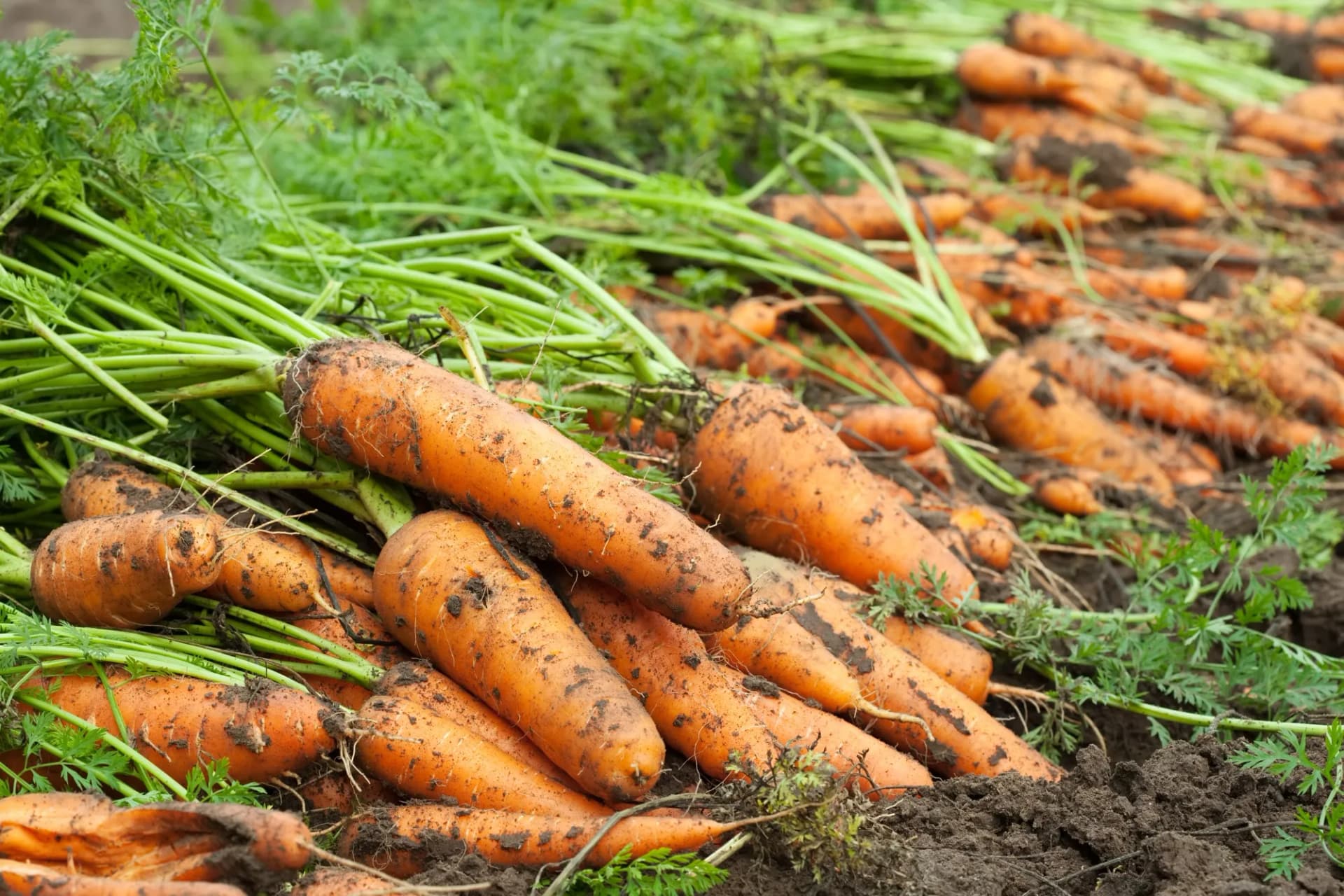
When to Harvest Carrots: Timing, Signs, and How to Pick Them

6 min read · 23 Oct 2026

When to Harvest Carrots: Timing, Signs, and How to Pick Them

Carrots are usually ready 60-80 days after sowing them in the soil, depending on the variety. Learn how to recognize maturity signs, choose the right harvest season, pull carrots without damaging them, and store roots after picking.

Plant Care

When to Harvest Carrots: Timing, Signs, and How to Pick Them
10 Easy Garden Flowers to Grow

8 min read · 10 Sept 2026

10 Easy Garden Flowers to Grow

Discover 10 garden flowers that require minimal care. Learn which characteristics make plants easy to grow and follow tips on how to create a beautiful corner from beginner-friendly blooms on your property.

Beginner Guides
10 Easy Garden Flowers to Grow
Plant Pot Sizes: How to Choose the Right Plant Container

7 min read · 20 Aug 2026

Plant Pot Sizes: How to Choose the Right Plant Container

Plant pot sizes can be confusing because the number on the label only tells you part of the required information. A container may look spacious but actually be too shallow. So, how to choose pot size for plant species?

Beginner Guides
Plant Pot Sizes: How to Choose the Right Plant Container