plagiomnium moss Care (Plagiomnium ciliare)

Also known as: Wavy-leaf Moss
plagiomnium moss

About plagiomnium moss

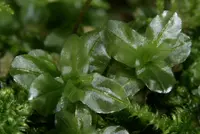
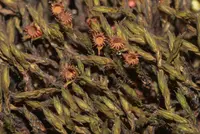
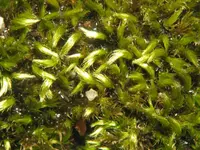
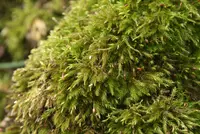
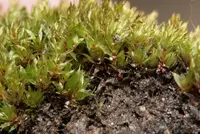
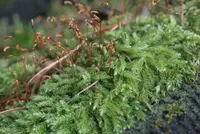
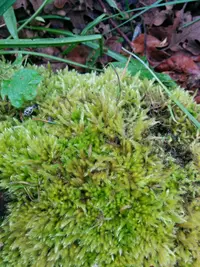
Plagiomnium ciliare is a small, creeping moss that forms dense, bright green carpets with neatly arranged, rounded leaves. It stays low to the ground and creates a soft, cushion-like surface.

This species is native to moist, shaded forest floors and stream edges in temperate regions, where it anchors to soil, rotting wood, or rock. Its compact growth and moderate speed make it relatively straightforward to keep stable once conditions are right.

Consistent moisture, gentle airflow, and low to medium light are the main factors that influence how to care for plagiomnium moss, especially in terrariums or shaded outdoor spots.

Main Plant Requirements

Care Difficulty

Moderate Care

Light Preference

Partial Shade

Water Requirements

Keep Soil Moist

Temperature Preference

Cool Climate

Hardiness Zone

5–9

Soil Texture

Loamy, Peaty, Organic-rich

Soil pH

Strongly acidic (4.5–5.5), Acidic (5.5–6.5)

Soil Drainage

Moist but well-drained

Fertilization

Minimal (feed rarely)

Get Personalized Care Plan

Scan your plant to receive care tips personalized for your specific plant

Available on iOS and Android

How to Care for the plagiomnium moss

This woodland moss prefers cool, shaded conditions with soft, filtered light.

  • Provide bright, indirect light or dappled shade, such as under shrubs or trees, with 1–3 hours of gentle morning sun and no harsh afternoon sun.
  • Allow plagiomnium moss to grow in partial to deep shade outdoors; strong midday sun can scorch fronds, causing bleaching and dry, crispy patches.
  • In summer, protect from direct sun with overhead cover; in winter, increased ambient light through bare branches is usually safe and can support steady growth.

Moist, stable conditions are essential for healthy growth of this moss.

  • Keep the substrate consistently moist but not waterlogged; surfaces should feel damp to the touch at all times without pooled water on top.
  • Increase watering when the surface starts to lose its sheen and feels less cool, as this indicates early drying; Plagiomnium ciliare wilts and curls when too dry.
  • Reduce frequency slightly in cool seasons while maintaining moisture, and avoid stagnant water by using loose, well-drained organic material such as leaf litter or fine bark.

This moss thrives in cool to mild climates with limited temperature extremes.

  • Aim for an optimal range of 50–70°F (10–21°C), which supports steady growth without stressing delicate moss tissues.
  • Tolerates brief drops to around 25°F (-4°C) if kept moist and shaded, but repeated hard frosts or exposed freezing winds can cause browning and dieback.
  • Handle heat carefully; short periods up to 80–85°F (27–29°C) are tolerated if humidity and moisture stay high, but prolonged hot, dry conditions can quickly desiccate cushions.

This moss needs consistently high humidity to stay lush and actively growing.

  • Aim for 70–90% humidity; levels below 50% quickly dry fronds and brown leaf tips.
  • In dry air, plagiomnium moss curls, pales, and becomes crispy at the edges.
  • Increase humidity with a closed terrarium, daily fine misting, or a covered tray with damp sphagnum.
  • Ensure constant, light air movement so high humidity does not lead to stagnant, mold-prone conditions.

This species prefers a consistently moist, fine-textured, organic substrate that holds water without becoming stagnant.

  • Use a mix of 2 parts peat or coco coir, 1 part fine compost, and 1 part fine sand to mimic soft woodland substrate.
  • Ensure the surface stays evenly moist but not submerged; slight seepage or very slow drainage is ideal for rhizoid anchoring.
  • Aim for slightly acidic conditions around pH 5.0–6.5, which support nutrient availability and discourage many competing weeds.
  • Avoid compacted, clay-heavy, or strongly alkaline substrates, and fluff the top layer occasionally to maintain aeration without letting it dry out.

This moss is suitable for shallow containers and terrariums that maintain constant surface moisture.

  • Choose a wide, low container so the mat can spread horizontally while staying within a uniformly moist zone.
  • Line the bottom with a thin drainage layer of fine gravel, then add a moisture-retentive substrate to prevent waterlogging at the rhizoids.
  • Use glass or glazed ceramic containers to reduce evaporation, especially around the edges where moss dries out fastest.

This moss grows well in low-nutrient conditions, so fertilizing Plagiomnium ciliare should stay very light and infrequent.

  • Use a very dilute balanced liquid fertilizer (around 1/8–1/4 strength) or weak compost extract only if growth appears pale or thin.
  • Apply during the active growing season, no more than every 6–8 weeks, and skip feeding entirely if growth is strong.
  • Avoid slow-release pellets or heavy compost layers, which can burn delicate tissue or encourage algae and unwanted plants.
  • Stop all fertilization in winter or any dormant period to prevent stress and excess salt buildup in the substrate.

Plagiomnium ciliare needs only light pruning to keep mats tidy and healthy.

  • Best timing is during active growth in spring or early summer so trimmed areas recover quickly.
  • Snip off dead, browned, or damaged shoots with small scissors rather than tearing by hand to limit disturbance.
  • Thin crowded patches lightly to improve airflow and light penetration, which supports denser, more even carpeting.
  • Shape edges by trimming back overgrowing tufts, guiding the moss to stay within desired boundaries in terrariums or trays.

This moss is usually transplanted rather than repotted, as Plagiomnium ciliare forms surface mats with shallow rhizoids.

  • Transplant when mats overrun their area, growth becomes patchy, or the substrate compacts and drains poorly.
  • Choose mild conditions in spring or early autumn, avoiding heat waves or freezing periods to reduce stress.
  • Gently lift thin sections with a spatula, keeping attached substrate intact, and lay them onto fresh, moist, fine-textured medium.
  • Press the mat down lightly, water with soft or dechlorinated water, then keep humidity high and light moderate until firmly reattached.

Expansion of Plagiomnium ciliare is normally done by simple division of existing mats.

  • Best season is spring or early summer, when the moss is actively growing and can anchor quickly.
  • Cut or tear the mat into small sections, each with healthy green shoots and some underlying substrate.
  • Lay divisions onto fresh, consistently moist, low-nutrient medium and press gently for good contact.
  • Provide bright, indirect light, high humidity, and minimal disturbance until new tips extend and the patch closes gaps.

This moss is naturally cold hardy in many climates and usually needs minimal winter care outdoors.

  • In-ground patches tolerate light to moderate frost, but extreme cold with drying winds can cause desiccation.
  • For shallow containers, move to a sheltered, unheated but frost-sheltered spot to limit freeze–thaw stress.
  • Keep the substrate slightly moist, never waterlogged, since very dry plus freezing conditions damage delicate tissues.

Care Tips

Use Shaded Pre‑Soak

Before planting new patches, soak the moss in dechlorinated, cool water for 15–20 minutes in the shade to rehydrate cell walls and reduce shock when you press it onto its new substrate.

Anchor With Netting

On sloped or loose substrates, lightly pin a sheet of fine plastic or jute mesh over the moss so it maintains tight contact with the surface until rhizoids anchor, then remove or trim the mesh back once growth is stable.

Create Moisture Pockets

In outdoor or open-top setups, build shallow depressions or pockets in the substrate so water lingers slightly longer around the colony, reducing edge dieback during short dry spells.

Debris Management Routine

Regularly lift away fallen leaves, seed husks, and fine soil splash with soft tweezers or a hand air blower to keep the tiny leaf cilia exposed to light and air, which supports dense new growth.

Monitor With Test Patch

When changing substrates, water quality, or enclosure type, first adjust conditions around a small test patch and observe it for 2–3 weeks; use its response as a guide before scaling up caring for plagiomnium moss across the whole colony.

Common Pests and Diseases

Springtails

These insects feed on decaying organic matter in constantly wet moss carpets and may graze on tender new growth when populations are very high. Symptoms include fine surface pitting on young shoots and a moving scatter of tiny white or gray insects when the substrate is disturbed.

Solution

Reduce standing water and keep the moss evenly moist rather than waterlogged, then flush the substrate gently with clean, chlorine-free water to physically remove excess springtails. In terrariums or nursery trays, improve ventilation and use a thin top-dressing of rinsed sand or fine gravel around colonies to discourage them while maintaining high humidity needed for Plagiomnium ciliare care instructions.

Sciarid fungus gnats

These insects breed in saturated, organic-rich substrates and their larvae feed on algae, biofilm, and fine rhizoids, sometimes weakening moss mats. Symptoms include small black gnats flying over trays and a decline in moss vigor when moisture is excessive and stagnant.

Solution

Allow the surface to drain between waterings while keeping the moss base moist, and avoid thick layers of un-composted organic material that stay soggy. Use fine mesh over drainage holes, increase air exchange, and, in containers, top-dress with a 0.5–1 cm layer of rinsed sand to break the gnat life cycle without drying the moss excessively.

Algal overgrowth

This problem appears as bright green, sometimes slimy films covering the moss surface in persistently wet, nutrient-enriched conditions. Symptoms include reduced cushion density, smothered leaf tips, and dull or uneven moss color where light and dissolved nutrients are high.

Solution

Reduce nutrient input by using low-mineral, chlorine-free water and avoid fertilizer near the moss. Increase water movement or periodic gentle flushing, improve air circulation, and lightly shade the site to lower light intensity, then carefully tease away heavy algal mats with soft forceps without tearing the moss carpet.

Filamentous mold

This disease produces fine white, gray, or slightly fuzzy strands that spread across stems and leaf clusters in stagnant, overly humid microclimates, especially in closed terrariums or propagation boxes. Symptoms include localized dieback, browning cushions, and a musty smell when ventilation is poor.

Solution

Open the container or site to increase air exchange and lower condensation, then remove visibly affected clumps with sterilized tweezers to prevent spread. Rinse surrounding healthy moss gently with clean water, reduce organic debris, and maintain high humidity with intermittent airing rather than continuous closed conditions.

Desiccation injury

Symptoms include crisped leaf margins, dull or gray-green patches, and slow, uneven rehydration after dry spells, especially when mats grow on exposed rock or thin soil. Prolonged drying cycles can cause partial dieback of cushions and patchy recovery after watering.

Solution

Provide consistent, fine misting or gentle soaks whenever the surface begins to feel only slightly dry, avoiding deep drying of the substrate. In outdoor or indoor displays, use partial shade, wind protection, and a moisture-retentive but free-draining base layer such as sphagnum or fine gravel-soil blends to buffer short dry periods.

Interesting Facts

Distinct ciliate leaf margins

The leaves have a conspicuous fringe of tiny hair-like cells (cilia) along their margins, a diagnostic trait that helps distinguish this species from other Plagiomnium mosses under a hand lens.

Preference for calcareous soils

This species often favors moist, base-rich or calcareous substrates influenced by limestone or other calcium-containing rocks, making its presence a useful field indicator of higher soil pH in forested habitats.

Creeping yet upright habit

It forms creeping stolons that anchor in the soil while producing relatively tall, upright leafy shoots, creating low, glossy patches that are more three-dimensional than many carpeting forest mosses.

Botan icon

Did you know?

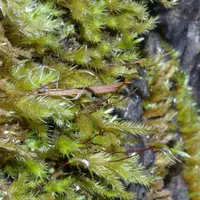
In parts of its range, this species frequently colonizes the bases of tree trunks and shaded rock outcrops together with specific liverworts and shade-tolerant herbs, forming stable micro-communities that can persist for many years in undisturbed woodland conditions.

FAQs about plagiomnium moss

Growth is generally slow to moderate. In suitable cool, moist conditions, new shoots may extend 1–3 cm per year. Dense carpets form over several seasons rather than months, so patience is important when growing plagiomnium moss.

Grow Healthy Plants with Botan Care

Keep your plants happy and healthy with plant identification, disease detection, and easy care guidance.

Botan plant care app — identify plants on mobile

Explore More Plants