

Use living mulch
Plant this moss as a living mulch under shade-loving container plants, where fallen leaves and gentle drip from overhead watering will supply a steady source of moisture and fine organic debris it can colonize.

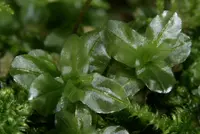
Plagiomnium rostratum is a low-growing moss that forms dense, bright to deep green carpets with softly glossy, overlapping leaves. It is a true moss, not a flowering plant. In nature it commonly grows on moist soil, rotting wood, and shaded banks in cool, temperate forests and stream edges. Its creeping stems and ability to root along the ground help it spread into smooth, cushiony mats. This species prefers consistent moisture, gentle air movement, and low to medium light, which makes it suitable for terrariums and shaded outdoor spots. These traits generally make it moderately easy to care for plagiomnium moss if its moisture needs are respected.

Care Difficulty
Moderate Care

Light Preference
Partial Shade

Water Requirements
Keep Soil Moist

Temperature Preference
Cool Climate

Hardiness Zone
5–8

Soil Texture
Loamy, Silty, Organic-rich

Soil pH
Acidic (5.5–6.5)

Soil Drainage
Moist but well-drained

Fertilization
Minimal (feed rarely)
Scan your plant to receive care tips personalized for your specific plant
Available on iOS and Android
This moss prefers cool, shaded conditions that mimic a forest floor.
Watering should keep the moss constantly moist but never stagnant.
Temperature needs reflect its origin in cool, humid woodland habitats.
This moss needs consistently high humidity to grow well in cultivation.
This species prefers a moist, soft, organic-rich substrate rather than mineral-heavy potting mixes.
This species is well suited to shallow containers and terrariums that maintain stable surface moisture.
This moss needs very little feeding, as it is adapted to low-nutrient habitats.
Plagiomnium rostratum needs only minimal pruning to keep moss pads neat and healthy.
Transplanting suits this moss better than frequent repotting, since it naturally forms ground-hugging mats.
This moss is commonly propagated by division rather than by spores in home culture.
Plagiomnium rostratum is generally cold hardy and needs little winter care in the ground.

Plant Health Check
Not sure what's wrong with your plant? Check your plant's health inside the app.
This moss is strongly associated with cool, shaded streambanks and wet woodland soils, often forming low, creeping mats right at the water’s edge where periodic flooding keeps competition low.
Its leaves end in a characteristic narrow, toothed tip formed by elongate cells, which helps distinguish it from related Plagiomnium species with blunter or more rounded leaf apices.
This species is dioicous, meaning male and female reproductive organs occur on separate plants, so successful spore production in the wild depends on the close proximity of both sexes.
This species spreads slowly to moderately by creeping stems and fragments. It usually forms dense patches rather than running long distances. In gardens and terrariums it is easy to confine by trimming edges and controlling moisture and shade.
Keep your plants happy and healthy with plant identification, disease detection, and easy care guidance.

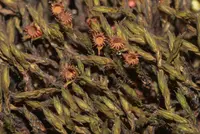
Thickpoint Bloom Moss
Schistidium crassipilum
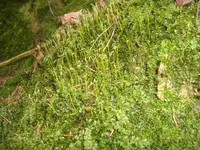
toothed plagiomnium moss
Plagiomnium cuspidatum
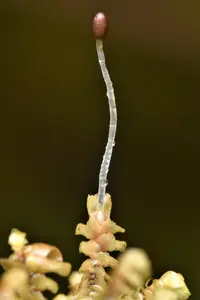
Yellow-ladle Liverwort
Scapania bolanderi
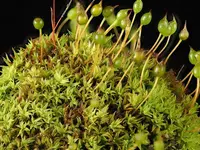
zygodon moss
Zygodon viridissimus
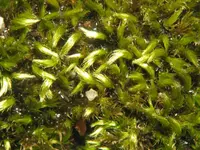
silken homalothecium moss
Homalothecium sericeum
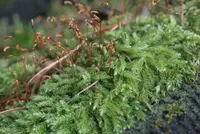
Seliger's herzogiella moss
Herzogiella seligeri
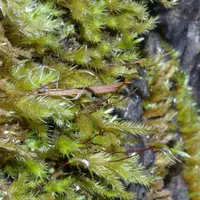
Nuttall's homalothecium moss
Homalothecium nuttallii
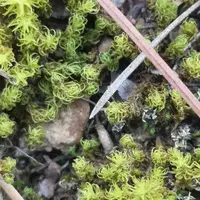
Trichostomum squarrosum
Trichostomum squarrosum