toothed plagiothecium moss Care (Plagiothecium denticulatum)

Also known as: Dentated Silk-moss
toothed plagiothecium moss

About toothed plagiothecium moss

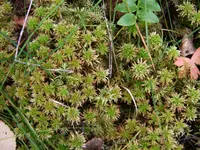
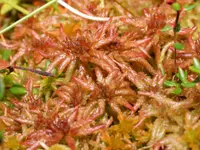
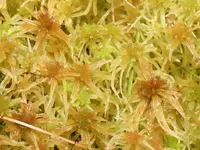
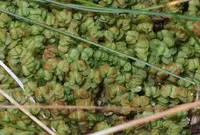
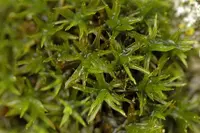
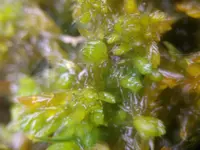
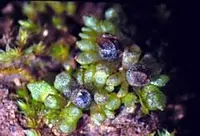
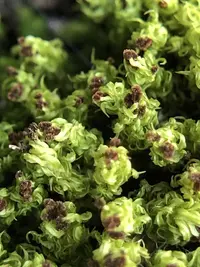
Toothed plagiothecium moss (Plagiothecium denticulatum) is a low, creeping moss that forms soft, bright to yellow-green carpets. Its slender stems and small, flattened leaves create a fine, feathery texture that covers soil, rocks, or decaying wood.

This species occurs widely in temperate forests, often in cool, humid, and shaded habitats. It generally prefers consistent moisture, mild temperatures, and stable, slightly acidic substrates.

Plagiothecium denticulatum is considered moderately easy to maintain in cultivation if its moisture and shade needs are met. For anyone learning how to care for toothed plagiothecium moss, it helps to think of recreating a calm, damp forest floor environment indoors or in a terrarium.

Main Plant Requirements

Care Difficulty

Moderate Care

Light Preference

Shade

Water Requirements

Keep Soil Moist

Temperature Preference

Cool Climate

Hardiness Zone

3–8

Soil Texture

Loamy, Silty, Organic-rich

Soil pH

Strongly acidic (4.5–5.5), Acidic (5.5–6.5)

Soil Drainage

Moist but well-drained

Fertilization

Minimal (feed rarely)

Get Personalized Care Plan

Scan your plant to receive care tips personalized for your specific plant

Available on iOS and Android

How to Care for the toothed plagiothecium moss

This moss thrives in cool, shaded habitats with very limited direct sun exposure.

  • Provide bright shade or dappled forest light, ideally 0–2 hours of weak morning sun and no harsh afternoon sun, to prevent leaf scorching and desiccation.
  • Site toothed plagiothecium moss where it receives consistent filtered light under trees, rocks, or logs, mimicking woodland floor conditions year-round.
  • In summer, increase shade or use overhead cover; in low winter light, prioritize moisture retention rather than trying to increase direct sun exposure.

Plagiothecium denticulatum prefers constantly moist but not waterlogged conditions.

  • Aim for an evenly damp substrate; moss tissues should feel moist to the touch but never slimy or submerged for long periods.
  • Increase watering or misting when surfaces feel dry or crisp, especially in warm or windy weather, and reduce when the substrate stays wet for more than 24 hours.
  • Watch for pale, brittle patches as a sign of underwatering and dark, mushy, or foul-smelling areas as signs of poor drainage and excess water.

This moss is adapted to cool, stable woodland temperatures and dislikes extremes.

  • Optimal growth occurs around 45–65°F (7–18°C), typical of shaded forest floors with consistently moist air and substrate.
  • It tolerates brief drops near 25°F (-4°C) under snow or leaf litter but exposed hard frost and strong drying winds can damage delicate shoots.
  • Sustained heat above 80°F (27°C), especially with low humidity, stresses the plant, so provide deep shade, ample moisture, and shelter during hot spells.

This moss prefers cool, consistently moist air with fairly high humidity.

  • Aim for 60–80% humidity to mimic its damp forest habitat when caring for toothed plagiothecium moss.
  • In prolonged air below 50%, tips may pale, curl, or feel brittle, indicating humidity stress.
  • Raise humidity by using a closed terrarium, humidity dome, or placing dishes of water and wet gravel near the moss.

This species thrives on moist, soft, highly organic substrates rather than dense, mineral garden soil.

  • Use a loose mix of finely milled sphagnum, leaf mold, and a small amount of fine bark to mimic decaying forest litter.
  • Ensure very gentle but reliable drainage so the substrate stays moist and airy but never waterlogged or stagnant.
  • Slightly acidic conditions around pH 5.0–6.5 suit Plagiothecium denticulatum, which naturally grows on humus-rich, decomposing material.
  • Avoid compacted, sandy, or heavily fertilized mixes; increase aeration by fluffing the medium and avoiding firm tamping.

This moss is suitable for shallow containers, trays, and terrariums where constant moisture can be controlled.

  • Choose wide, shallow containers so the mat can spread horizontally without thick, poorly aerated layers of substrate.
  • Use a base drainage layer of fine gravel beneath the moss substrate to prevent excess water from stagnating at the bottom.
  • Select glass or plastic containers for slower moisture loss when a consistently damp microclimate is needed.

This moss generally needs no fertilizer when grown on suitable, moist, low-nutrient substrates.

Plagiothecium denticulatum benefits from light grooming rather than true pruning.

  • Trim away dead, browned, or decaying patches with fine scissors to maintain a clean mat.
  • Remove any loose debris, algae, or invasive seedlings that shade or smother the moss.
  • Lift and thin overly dense tufts gently to improve air flow and reduce rot risk.

Transplanting is only needed when a mat must be relocated or refreshed in a container or terrarium.

  • Transplant during cool, moist weather or in a high-humidity indoor setup to limit stress.
  • Move sections when growth thins, substrate compacts, or the patch no longer adheres well.
  • Gently lift intact mats, keeping attached substrate, and lay them on fresh, similar material.
  • Mist thoroughly after placement and keep evenly moist until the moss visibly reattaches.

Plagiothecium denticulatum is usually propagated by simple division of existing mats.

  • Best time is in cool, moist seasons or under stable, humid terrarium conditions.
  • Tear or cut the moss carpet into small sections, each with healthy green shoots.
  • Press sections onto a suitable, clean substrate such as bark, rock, or low-nutrient soil.
  • Maintain consistent moisture and indirect light until new tips extend and fill gaps.

This moss is naturally cold hardy and typically needs no special winter care outdoors.

Care Tips

Use stable substrate

Attach cushions to rough, stable surfaces like lava rock, aged hardwood, or unglazed ceramic using cotton thread or fine mesh so the creeping shoots can anchor securely and form an even mat over time.

Control algal films

If green slime or algae forms on the moss surface, gently rinse with soft water and slightly reduce light and nutrient input, since algal films restrict gas exchange and can smother the delicate shoots.

Thin, do not tear

When patches become too dense, lift and remove small clumps with tweezers instead of tearing or raking, which prevents damage to rhizoids and keeps the carpet more evenly textured.

Use rain or RO water

Collect rainwater or use reverse-osmosis (RO) water for misting and soaking, because this species is sensitive to dissolved salts that accumulate from hard tap water.

Cool microclimate management

In warm indoor setups, create a cooler microclimate by placing the culture near the bottom of a terrarium and increasing air movement slightly, since caring for toothed plagiothecium moss is easier when leaf surfaces stay cool and evenly moist.

Common Pests and Diseases

Springtail grazing

These insects feed on delicate moss tissues in very wet substrates, thinning mats and slowing spread. Symptoms include patchy, uneven growth and a frayed look to the moss surface in terrariums or culture trays.

Solution

Reduce chronic waterlogging by improving drainage and allowing the surface to dry slightly between mistings, then trap springtails using small pieces of moist potato or carrot removed every 1–2 days. For heavy infestations in contained setups, briefly submerge the moss and substrate in clean, cool water to flush insects, then re-establish with better ventilation and moderate, not constant, saturation.

Fungus gnat larvae

This pest develops in consistently soggy, organic substrates and the larvae chew on moss rhizoids and new shoots. Symptoms include dull, weak-looking mats and tiny black adult gnats hovering near very wet cultures or terrariums.

Solution

Allow the upper substrate layer to become just moist instead of saturated and increase airflow around culture trays or terrariums to disrupt the gnat life cycle. Use yellow sticky traps to catch adults and, if needed, apply a biological control such as Bacillus thuringiensis israelensis (Bti) in irrigation water according to label directions to target larvae without harming moss.

Green algal overgrowth

This disease-like overgrowth occurs on persistently wet, bright-exposed moss and forms a slick, bright green film over shoots. Symptoms include smothered, flattened tufts and a shiny, almost paint-like surface on stones, substrate, or moss mats.

Solution

Reduce light intensity and shorten exposure to direct artificial light, while keeping humidity high but not dripping wet, to favor growing toothed plagiothecium moss over algae. Gently rinse or brush the surface under soft water to remove algal films from rocks and glass, then thin out organic debris so water can move freely and surfaces dry slightly between mistings.

Grey mold (Botrytis)

This disease thrives in stagnant, very humid setups with poor air exchange and accumulates on decaying moss segments. Symptoms include soft, decomposing patches covered with fine grey fuzz, often starting where dead leaves or wood touch the moss.

Solution

Promptly remove all affected moss and any decaying organic material, then increase ventilation and avoid water droplets sitting on the surface for long periods. In closed terrariums, open the container daily for fresh air and reduce overcrowding of plants so the moss dries to a moist, not dripping, state between waterings.

Desiccation damage

This abiotic problem develops when the moss is exposed to drying air, heat, or direct sun, especially on vertical or elevated substrates. Symptoms include crisp, brown shoot tips and loss of the soft, glossy texture, with patches that fail to green up after misting if damage is severe.

Solution

Relocate the moss to shaded, cool, consistently humid conditions and avoid direct sun or warm, dry air from heaters and vents. In cultivation, mist with soft, non-chlorinated water and use a humidity tent, terrarium, or frequent overhead misting to maintain 70–90% humidity while ensuring some gentle air movement to prevent fungal problems.

Interesting Facts

Feathery carpet growth

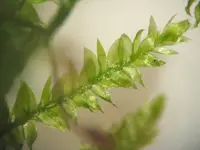
This moss forms loose, glossy, feather-like mats with strongly flattened shoots that run across the substrate, creating a soft, layered green carpet in humid forest floors and stream banks.

Fine-toothed leaf margins

Its species name denticulatum refers to the minute teeth along the leaf edges, visible under magnification and used by bryologists to distinguish it from similar creeping mosses.

Nitrogen-sensitive indicator

Populations of this moss often decline in areas with increased nitrogen deposition or pollution, so its presence in forests is used as an indicator of relatively clean, low-nutrient conditions.

Botan icon

Did you know?

This species occurs across large parts of the Northern Hemisphere, from lowland forests to montane habitats, and its consistent leaf and shoot features across this wide range have made it a reference species in bryology for studying variation and stability within moss lineages.

FAQs about toothed plagiothecium moss

This species spreads slowly to moderately by creeping stems and fragmentation. It usually forms soft mats rather than invasive carpets. Regular trimming and limiting moisture and substrate area help control spread in terrariums, paludariums, and shaded beds.

Grow Healthy Plants with Botan Care

Keep your plants happy and healthy with plant identification, disease detection, and easy care guidance.

Botan plant care app — identify plants on mobile

Explore More Plants