Woodsy Silk-moss Care (Plagiothecium nemorale)

Woodsy Silk-moss

About Woodsy Silk-moss

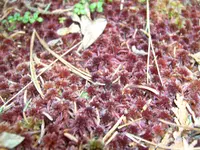
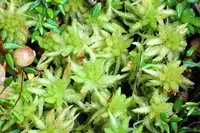
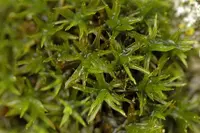
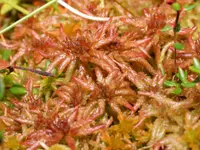
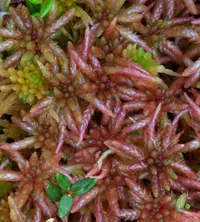
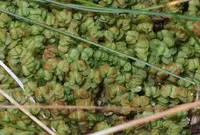
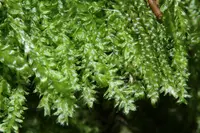
Woodsy silk-moss, Plagiothecium nemorale, is a creeping carpet-forming moss often found on forest floors, rotting logs, and shaded soil in temperate regions. Its shoots lie flat and form soft, silky, green mats that follow the contours of the substrate. This moss thrives in cool, humid, low-light habitats and is naturally adapted to stable moisture and gentle air movement. In cultivation it is considered moderately easy, provided its need for consistent moisture, shade, and clean, non-compacted substrate is respected. Many growers learn how to care for Woodsy Silk-moss by first observing how it responds to airflow, light levels, and drying between waterings.

Main Plant Requirements

Care Difficulty

Moderate Care

Light Preference

Shade

Water Requirements

Keep Soil Moist

Temperature Preference

Cool Climate

Hardiness Zone

4–8

Soil Texture

Loamy, Silty, Organic-rich

Soil pH

Strongly acidic (4.5–5.5), Acidic (5.5–6.5)

Soil Drainage

Moist but well-drained

Fertilization

Minimal (feed rarely)

Get Personalized Care Plan

Scan your plant to receive care tips personalized for your specific plant

Available on iOS and Android

How to Care for the Woodsy Silk-moss

This forest moss prefers low to moderate light that mimics a shaded woodland floor.

  • Provide bright, dappled shade or full shade; 1–3 hours of weak morning sun is acceptable, but avoid direct midday and afternoon sun.
  • Grow on the north or east side of rocks, logs, or trees so taller plants filter light and prevent leaf scorch and drying.
  • Watch color and texture: bleaching, crispy tips, or rapid drying indicate too much sun, while thin, weak growth suggests insufficient light, especially in summer for Woodsy Silk-moss.

This moss thrives in consistently moist, cool substrates without long dry spells or standing water.

  • Maintain evenly moist soil or substrate; the surface should feel damp to the touch but not soupy or muddy.
  • Increase moisture in warm, dry weather with frequent light misting or gentle soaks, and allow only the top 1–2 mm to lose sheen before rewetting.
  • Reduce heavy soaking in cooler months but prevent complete drying; dull color, curling leaves, and brittleness suggest underwatering, while slimy patches and foul odor indicate overwatering for Plagiothecium nemorale.

This woodland moss favors cool to mild conditions and does not tolerate extremes for long periods.

  • Optimal growth occurs around 50–68°F (10–20°C), typical of shaded forest floors with stable, moderate temperatures.
  • Tolerates brief dips to about 23–28°F (-5 to -2°C) under snow or leaf litter, but repeated freeze–thaw cycles with exposed patches can damage shoots.
  • Handles short warm spells up to about 77–82°F (25–28°C) if shade and high humidity are maintained; prolonged heat and dry air lead to desiccation, though plants may recover if rehydrated promptly.

This moss prefers consistently moist, high-humidity conditions similar to a shaded forest floor.

  • Aim for 70–90% humidity, as Woodsy Silk-moss dries quickly in typical heated or air-conditioned rooms.
  • In dry air, shoots become pale, crisp at the tips, and growth slows noticeably.
  • Increase humidity with a closed terrarium, covered dish garden, or by placing containers inside a clear humidity dome.
  • Avoid direct airflow from vents or fans, which strips surface moisture and increases desiccation risk even if air humidity is moderate.

Plagiothecium nemorale prefers a consistently moist, loose, organic substrate rather than dense mineral soil.

  • Use a fine-textured mix of milled sphagnum, leaf mold, and a small amount of washed sand for structure.
  • Ensure slow but steady drainage; the substrate should stay damp yet never waterlogged or submerged for long periods.
  • Slightly acidic conditions around pH 5.0–6.0 generally support better growth and discourage lime-loving competing species.
  • Improve aeration by gently fluffing the moss layer and avoiding compaction from heavy watering or pressing the substrate down.

This species is well-suited to shallow container culture and terrariums when moisture is carefully controlled.

  • Choose a wide, shallow dish or tray so the mat can spread horizontally without deep substrate that stays soggy.
  • Select glass or glazed ceramic containers to slow evaporation, then adjust watering to prevent stagnant, anaerobic conditions.
  • Raise the container slightly on feet or a grate so excess water can drain away from the base and not pool under the moss.

This woodland moss gains little from fertilization and usually thrives on low‑nutrient, organic substrates when caring for Woodsy Silk-moss.

Plagiothecium nemorale needs only minimal grooming rather than structured pruning.

This moss is usually grown on outdoor substrates, so focus on gentle transplanting rather than frequent repotting.

  • Transplant small mats in early spring or fall when temperatures are mild and moisture is steady.
  • Lift the moss as intact cushions, keeping attached soil or substrate to limit root and rhizoid disturbance.
  • Move only when current patches dry out, decline, or when better shaded, humid sites become available.
  • Water gently after positioning to settle the moss, then keep evenly moist until growth resumes.

Propagation of Plagiothecium nemorale is typically done by simple division of existing mats.

  • Divide small cushions or patches in early spring or in consistently cool, moist weather.
  • Peel thin sections with a spatula or hand tool, keeping as much substrate attached as possible.
  • Press divisions onto new, shaded, rough surfaces such as rotting wood, rocks, or compact soil.
  • Maintain high humidity and gentle, regular moisture so rhizoids can anchor and new shoots extend.

This moss is cold hardy and usually needs no special winter care in temperate climates.

Care Tips

Use Acidic Substrate

Mount the moss on long-fiber sphagnum or a peat-heavy mix over stone or bark to keep a slightly acidic, stable base that mimics its natural woodland substrate and prevents nutrient lockout.

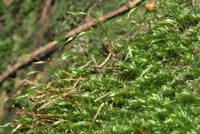
Thin For Aeration

Gently lift and thin older, compacted pads with tweezers every few months so air can move between shoots, which reduces fungal issues and encourages fresh, upright growth.

Cool Microclimate Management

Place the culture low to the ground, near a shaded north-facing window or on a cool basement rack, and avoid any direct airflow from heaters to maintain the cool, stable conditions this moss prefers.

Moisture Retention Layer

Lay a sheet of rinsed, untreated burlap, fine mesh, or hygrolon under the moss on hardscape to hold moisture evenly and reduce the risk of desiccation at the attachment points when growing Woodsy Silk-moss.

Minimal Handling Practice

Handle the colony only by the substrate or mounting material, not the shoots, because repeated touching compresses and damages the fine stems and can slow recovery after division or relocation.

Common Pests and Diseases

Bryum competition

Symptoms include thinning, pale patches, and reduced spread where small tufted Bryum mosses overgrow and shade this species on compact, nutrient-enriched substrates.

Solution

Reduce nutrient enrichment by avoiding fertilizer runoff, gently loosen compacted substrate, and physically thin dense Bryum cushions with tweezers so creeping Plagiothecium shoots regain light and space; mist lightly after intervention to settle fragments without saturating the mat.

Green algae overgrowth

This disease appears as slimy, bright-green films covering the moss surface in very wet, stagnant, and nutrient-rich conditions, blocking light and smothering shoots.

Solution

Improve airflow and reduce standing water by slightly tilting containers or improving drainage, then carefully rinse or dab off algal films with dechlorinated water and a soft brush; lower light intensity only a little, since moderate, indirect light helps the moss outcompete algae over time.

Fungal leaf spot

This disease causes small, water-soaked or brown necrotic spots on moss leaves and stems, often following prolonged saturation and poor air circulation.

Solution

Allow the substrate surface to drain between mistings, increase ventilation around the colony, and gently remove heavily affected clumps with clean tweezers; in severe, persistent cases, a very dilute broad-spectrum fungicide labeled safe for moss can be applied as a fine mist test on a small area first.

Springtail overabundance

These insects are small, pale to dark hopping arthropods that proliferate in constantly wet, organic-rich moss substrates and can mechanically disturb delicate shoots when present in large numbers.

Solution

Reduce chronic wetness by spacing out watering, remove accumulated decaying debris, and use shallow water traps or a layer of rinsed sand at the edges to discourage large populations; if still excessive, a targeted biological control such as predatory mites can be introduced in closed terrarium setups.

Slugs and snails

This pest feeds on tender moss mats in shaded outdoor or greenhouse conditions, leaving ragged edges, bare patches, and mucus trails on and around the colony.

Solution

Hand-pick individuals at dusk or after rain, use physical barriers such as copper tape or coarse grit around containers, and keep nearby debris and dense leaf litter to a minimum; in outdoor beds, iron phosphate bait placed away from the moss can further reduce local populations without harming the colony when used as directed.

Interesting Facts

Silky creeping carpets

This moss forms loose, creeping mats of glossy, yellow‑green shoots that often create soft, silklike carpets on shaded forest floors and rotting logs.

Distinctive leaf twisting

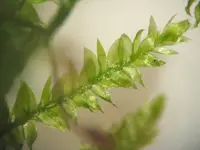
Its ovate, slightly falcate (sickle-shaped) leaves twist around the stem when dry and spread out when moist, a reversible movement that helps reduce water loss between wet periods.

Preference for base‑rich sites

It commonly favors base‑rich to weakly acidic substrates such as decaying hardwood, humus-rich soil, and calcareous rocks, which makes it a useful indicator of moderately nutrient-rich, undisturbed woodland microhabitats.

FAQs about Woodsy Silk-moss

This species forms creeping mats that expand slowly to moderately by branching stems and small fragments. It can gradually cover shaded, moist surfaces but is not considered aggressive and is usually easy to keep within desired boundaries.

Grow Healthy Plants with Botan Care

Keep your plants happy and healthy with plant identification, disease detection, and easy care guidance.

Botan plant care app — identify plants on mobile

Explore More Plants