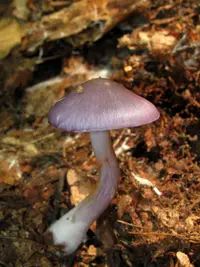
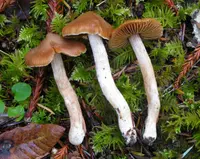
corona cup Care (Plectania melastoma)

corona cup

About corona cup

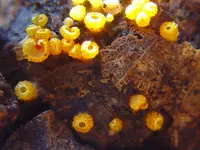
Corona cup, Plectania melastoma, is a small cup fungus rather than a leafy houseplant. It forms dark, goblet-shaped fruiting bodies that appear on decaying wood or very damp soil. The inner surface is often dark brown to almost black, giving it a distinctive, glossy look.

This species is typically found in cool, moist forests in temperate regions, often emerging in clusters in early spring. It is not a common choice for home cultivation, and its specific growth needs make it more suitable for experienced enthusiasts who care for corona cup in controlled, fungi-friendly setups.

It generally prefers consistently moist conditions, cool temperatures, and organic-rich, decaying substrate rather than standard potting soil.

Main Plant Requirements

Care Difficulty

Hard Care

Light Preference

Shade

Water Requirements

Keep Soil Moist

Temperature Preference

Cool Climate

Hardiness Zone

Unknown

Soil Texture

Loamy, Silty, Organic-rich

Soil pH

Acidic (5.5–6.5), Slightly acidic (6.5–7.0)

Soil Drainage

Moist but well-drained

Fertilization

Minimal (feed rarely)

Get Personalized Care Plan

Scan your plant to receive care tips personalized for your specific plant

Available on iOS and Android

How to Care for the corona cup

This cup fungus prefers cool, shaded forest conditions rather than direct sun exposure.

  • Provide dappled or filtered light under trees, with no more than 1–2 hours of weak morning sun and full shade the rest of the day for corona cup.
  • Avoid strong midday or afternoon sun, which can dry substrates quickly and damage fruiting bodies, especially on exposed soil or wood.
  • In late winter to early spring, when canopies are open, rely on natural low-angle light; in summer, stronger overhead light should be filtered by foliage or shade cloth.

This woodland fungus depends on consistently moist, not waterlogged, substrate to fruit well.

  • Keep leaf litter or soil evenly moist; allow only the top 1–2 cm to begin drying before re-moistening with gentle, even watering or misting of the substrate.
  • Use a free-draining but humus-rich layer so excess water can drain away; standing water or sour, swampy smells indicate overwatering and poor aeration.
  • If the substrate shrinks, cracks, or feels dusty and fruiting bodies shrivel or collapse quickly, moisture is too low for Plectania melastoma to develop normally.

This species develops best in cool to mild conditions typical of late winter to early spring woodland climates.

  • Aim for an active fruiting range of 45–60°F (7–16°C), which supports slow, steady development of cups on moist forest litter or decaying wood.
  • Tolerates brief drops near 32°F (0°C) but is sensitive to hard, prolonged frost below 25°F (−4°C), which can damage or halt visible fruiting.
  • Heat above 70–75°F (21–24°C), especially combined with dry air, shortens cup lifespan; provide shade and moisture in warmer spells to buffer temperature swings.

This fungus prefers consistently moist air but does not require very high humidity.

  • Aim for 60–80% humidity in shaded, sheltered outdoor spots or protected greenhouse benches.
  • It tolerates brief dips to 40–50% but prolonged dry air shrivels the corona cup and shortens fruiting duration.
  • Signs of low humidity stress include pale, brittle cups and rapid collapse after emergence.
  • Increase humidity by damping surrounding soil, using nearby water trays, or lightly misting the area around but not directly onto the cups.

This species develops best on moist, well-aerated, organic-rich substrates rather than compact mineral soil.

  • Use a loose mix based on decayed wood, leaf litter, and fine bark with some mineral component such as sand to prevent compaction.
  • Aim for slightly acidic to neutral conditions, roughly pH 5.5–7.0, which favor the natural fungal community associated with Plectania melastoma.
  • Maintain steady, even moisture without waterlogging; the substrate should feel damp but never stagnant or greasy.
  • Improve aeration and drainage by incorporating coarse bark chips or perlite and avoiding heavy clay or peat-only mixes that hold water too long.

This species is challenging but possible to keep in containers for observation rather than long-term display.

  • Choose a wide, shallow container to mimic a forest-floor layer and allow the mycelium to spread horizontally rather than deeply.
  • Use a heavy, stable pot material such as ceramic if the substrate is wood-based and uneven, reducing the risk of tipping when moist.
  • Ensure fast drainage by drilling or using multiple holes and elevating the container slightly so excess water leaves the fungal substrate quickly.

This fungus is usually not grown as a fertilized ornamental, so caring for corona cup focuses more on habitat than feeding.

Plectania melastoma is not managed as a pruned garden plant and needs no structured pruning for health or appearance.

Transplanting is rarely relevant because this fungus is typically left in its natural woodland substrate.

  • If moving a clump for study, lift only when the soil is moist and cool, minimizing disturbance to the surrounding litter.
  • Transfer with a wide trowel, keeping a generous plug of original soil and decaying wood intact.
  • Replant immediately into similar shade, moisture, and organic matter conditions to reduce shock.
  • Water the new site lightly to settle soil, then leave undisturbed and avoid foot traffic.

Propagation of Plectania melastoma is specialized and usually left to natural spore dispersal rather than home methods.

No special winter care is required, as this fungus follows natural seasonal cycles in its native habitat and is not treated like a garden perennial.

Care Tips

Mossy Substrate Lining

Spread a thin layer of damp, pesticide-free sheet moss over the soil surface to mimic its natural forest floor habitat and help keep the upper substrate evenly cool and moist without waterlogging.

Shaded Culture Trays

Group containers in a shallow, sand- or grit-filled tray kept just moist and place under a bench or on the north side of a structure to stabilize moisture and temperature around the pots and encourage more reliable fruiting.

Rot-Control Hygiene

Remove spent fruiting bodies and any soft, decaying organic matter promptly with clean tools to limit fungal competition and bacterial rot that can weaken the underlying mycelium.

Seasonal Moisture Pulse

If conditions are otherwise suitable but cups are not appearing, provide a short period of slightly drier conditions followed by several days of consistent moisture to simulate natural wet–dry cycles that often trigger sporocarp production when growing corona cup.

Minimal Disturbance Surface

Avoid raking, repotting, or digging into the top 2–3 cm of the substrate where the mycelium is most active, and instead only top-dress gently with fresh leaf litter or fine bark when surface renewal is needed.

Common Pests and Diseases

Fungal parasitism

This disease involves other wood-decay or mold fungi colonizing the same substrate and overgrowing the fruiting cups. Symptoms include distorted, partially buried, or quickly collapsing cups with foreign mycelium or mold on and around them.

Solution

Remove and discard heavily overgrown or collapsing fruiting bodies to reduce spore load, and avoid piling fresh, uncomposted wood or plant debris directly over developing cups. Maintain moderate, stable moisture rather than constant saturation to limit aggressive competitor fungi while still supporting Plectania melastoma care in cultivated or observation beds.

Slugs and snails

These pests feed on the soft cup tissue, leaving ragged edges, holes, or missing portions of the fruiting bodies. Symptoms include slime trails on nearby wood or soil and sudden disappearance of young cups.

Solution

Hand-pick slugs and snails during damp evenings or early mornings and use barriers such as copper tape or sharp mineral grit around logs or beds where the fungus fruits. Reduce dense groundcover and wet leaf piles that shelter gastropods, and if needed place enclosed, pet-safe iron phosphate bait stations away from main observation areas.

Springtails

These insects thrive in very moist, organic substrates and may graze on delicate outer tissues of the cups or on associated microflora. Symptoms include small, jumping white or gray insects in large numbers when wood or leaf litter is disturbed near the fungus.

Solution

Improve drainage slightly and avoid constant waterlogging so the substrate stays moist but not saturated, which keeps springtail populations in check. Remove excess decaying debris immediately around fruiting clusters and, for indoor display terrariums, reduce feeding with rich organic matter and increase ventilation.

Mite grazing

This pest group includes small soil or litter mites that feed on fungal tissue, causing pitting, speckling, or thinning of the cup surface. Symptoms include roughened or patchy outer surfaces and fine dust-like movement under magnification or close inspection.

Solution

Gently flush the substrate surface with clean, non-chlorinated water to physically displace mites, and reduce overly fine, compact litter where mite populations concentrate. For contained culture setups, improve airflow, avoid overfeeding with protein-rich substrates, and, if needed, temporarily chill the setup within the safe temperature range to slow mite reproduction.

Interesting Facts

Bright orange inner cup

The fruiting bodies have a dull, dark exterior but reveal a vivid orange inner surface, creating a strong color contrast that makes the cups stand out against early spring leaf litter.

Early spring specialist

This fungus typically fruits in late winter to early spring on decaying hardwood sticks and branches, often appearing before many other cup fungi in temperate forests.

Distinctive hairy margin

The cup margin bears short, dark hairs that help distinguish it from similar orange cup fungi, a feature used routinely in field identification by mycologists.

Botan icon

Did you know?

The species was originally described from Europe but is now documented across multiple temperate regions in both Europe and North America, making it a useful indicator of decaying hardwood microhabitats in diverse forest systems.

FAQs about corona cup

This fungus is best grown outdoors in cool, moist, shaded conditions that mimic forest leaf litter. Containers or terrariums are possible, but long‑term success indoors is rare, so corona cup indoor care is mainly experimental.

Grow Healthy Plants with Botan Care

Keep your plants happy and healthy with plant identification, disease detection, and easy care guidance.

Botan plant care app — identify plants on mobile

Explore More Plants