Pleocnemia irregularis Care

Pleocnemia irregularis

About Pleocnemia irregularis

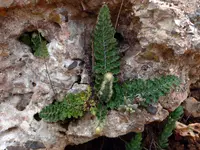
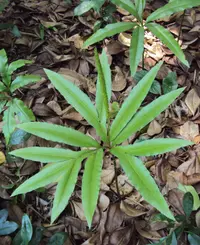
Pleocnemia irregularis is a tropical fern valued for its large, gracefully arching fronds and lush, finely divided foliage. It forms dense clumps that create a soft, layered look in shaded spaces.

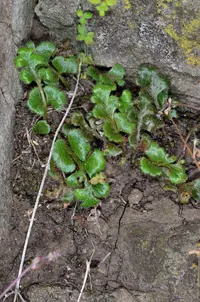
This species occurs naturally in humid forests of Southeast Asia, typically growing on the forest floor or among rocks where light is filtered and air stays moist. Its preference for consistently damp substrates and high humidity can make it moderately demanding indoors.

Understanding how to care for Pleocnemia irregularis starts with providing stable warmth, soft indirect light, and evenly moist, well-drained soil. When these conditions are met, it can become a long-lived, attractive foliage plant.

Main Plant Requirements

Care Difficulty

Moderate Care

Light Preference

Partial Shade

Water Requirements

Keep Soil Moist

Temperature Preference

Tropical / Frost Sensitive

Hardiness Zone

11–12

Soil Texture

Loamy, Peaty, Organic-rich

Soil pH

Acidic (5.5–6.5)

Soil Drainage

Moist but well-drained

Fertilization

Light (every 4–6 weeks)

Get Personalized Care Plan

Scan your plant to receive care tips personalized for your specific plant

Available on iOS and Android

How to Care for the Pleocnemia irregularis

This fern prefers bright, shaded conditions that mimic a sheltered forest floor.

  • Provide dappled or filtered light with 2–4 hours of gentle morning sun, avoiding direct midday and afternoon sun that can scorch fronds.
  • Site Pleocnemia irregularis in partial to full shade outdoors, under trees or shade cloth giving roughly 70–90% shade, especially in summer.
  • In low-light seasons, place it where it still receives bright open shade; slow growth, pale fronds, or sparse new leaves indicate insufficient light.

This species thrives in consistently moist but not waterlogged soil.

  • Water when the top 2–3 cm of soil feel slightly dry, aiming to keep the root zone evenly damp, especially during active growth in spring and summer.
  • Use rich, humus-based soil with good drainage; standing water, sour smell, or black, mushy roots signal overwatering and poor aeration.
  • In cooler months reduce frequency, but do not let the soil fully dry; crisping frond tips and wilting indicate the plant needs water.

This fern prefers warm, frost-free conditions with stable temperatures.

  • Aim for 65–80°F (18–27°C) for best growth, with only slight night drops; growth slows noticeably below this range.
  • Protect from cold; damage occurs below about 45°F (7°C), and freezing temperatures can kill fronds or the whole plant.
  • In hot spells above 86°F (30°C), increase shade and humidity, and avoid hot, drying winds to prevent frond scorch and stress.

This fern prefers consistently moist air and reacts quickly to dry indoor conditions.

  • Aim for 60–80% humidity to keep Pleocnemia irregularis foliage lush and prevent leaflet curl.
  • In drier rooms below 50%, fronds may brown at the tips, feel crisp, and new growth may stall.
  • Increase humidity with a nearby humidifier, grouped plants, or a pebble tray kept wet below the pot base without touching it.

Provide loose, humus-rich soil that mimics a moist forest floor and never compacts around the roots.

  • Use a mix of 50–60% peat-free compost, 20–30% fine bark, and 10–20% perlite for structure and drainage.
  • Aim for slightly acidic to neutral pH, roughly 5.5–7.0, to support nutrient uptake and healthy frond color.
  • Ensure water drains freely so the mix stays evenly moist but not waterlogged, preventing root suffocation and rot.
  • Avoid dense clay, unamended garden soil, or mixes that stay soggy or form hard clumps when dry.

This fern adapts well to container growing when the pot supports its spreading, shallow root system.

  • Choose a wide, shallow container so spreading rhizomes can colonize the surface instead of being forced downward.
  • Select a heavier or ceramic pot to stabilize the arching fronds and reduce tipping in breezy or high-traffic areas.
  • Let water drain fully from the mix after irrigation before returning the pot to any decorative cachepot.

This terrestrial fern benefits from light, consistent nutrition rather than heavy feeding.

  • Use a balanced, dilute liquid fertilizer (such as 10-10-10 or 20-20-20 at 1/4 strength) for Pleocnemia irregularis during active spring–summer growth.
  • Apply every 4–6 weeks, always onto moist substrate to avoid root burn.
  • Pause or reduce feeding to 1 light dose in late autumn and none in midwinter.
  • In containers, supplement with a thin top-dressing of fine compost or a low-dose slow-release fertilizer once per year.

This fern needs only light pruning to maintain a clean, balanced clump.

  • In late winter or early spring, remove dead, yellowing, or damaged fronds at the base with clean scissors or pruners.
  • Thin a few oldest, crowded fronds to improve air movement and reduce fungal problems.
  • Trim only entire fronds; avoid cutting mid-blade, which leaves brown stubs and weakens growth.
  • Use pruning mainly to maintain size in tight spaces, not to reshape Pleocnemia irregularis heavily.

This species is usually grown in the ground, with container Pleocnemia irregularis needing occasional repotting to avoid crowding.

  • Check containers every 2–3 years; roots circling the pot, tight root mass, or slowed growth indicate it is time to move up 1 pot size.
  • Plan repotting or garden transplanting in early spring, when new croziers are just emerging but before heat stress.
  • Lift the clump gently, teasing roots apart with fingers rather than tearing; trim only broken roots with sterile scissors.
  • Replant at the same depth in a moist, humus-rich, well-drained mix, then water thoroughly and keep shaded for 1–2 weeks to reduce stress.

This fern is most practically increased by division rather than by spores for home growers.

  • Divide Pleocnemia irregularis in early spring when new fronds are just starting, so divisions recover quickly.
  • Lift a healthy clump and split it into sections, each with firm rhizome pieces and several viable fronds or buds.
  • Replant divisions into moist, humus-rich, shaded sites or pots, keeping soil evenly damp but not waterlogged.
  • Spore propagation is possible under sterile, consistently warm (68–75°F), humid conditions but is slow and more technical.

This tropical to subtropical fern has low frost tolerance and needs protection in regions with cold winters.

  • In climates below about 40°F, grow Pleocnemia irregularis in containers so plants can be moved indoors before frost.
  • Maintain indoor temperatures above 55°F with bright, indirect light and evenly moist, not soggy, substrate.
  • For plants in mild outdoor climates, apply 5–8 cm of loose mulch around the root zone, keeping mulch off the crown.

Care Tips

Shallow, wide containers

Use a broad, shallow pot rather than a deep one to accommodate the fern’s creeping rhizomes and allow new fronds to spread evenly across the surface.

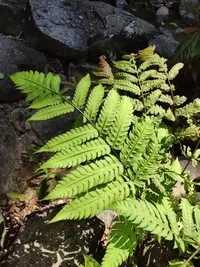
Rhizome-friendly topdressing

Apply a thin layer of fine orchid bark or shredded fern fiber over the soil surface to protect exposed rhizomes, retain moisture around them, and reduce compaction from watering.

Split clumps gradually

When division is needed, separate the plant into a few large sections with several fronds each instead of many small pieces, which helps it re-establish faster and reduces transplant shock when growing Pleocnemia irregularis.

Staged acclimation period

After repotting or division, keep the plant in slightly lower light and under a clear humidity cover for 7–10 days, then slowly increase airflow and light to stabilize new growth.

Floor-level placement

Position pots closer to the floor or on a low bench in warm rooms, where air is usually cooler and more humid, to reduce frond tip crisping and stress from warm, dry upper air layers.

Common Pests and Diseases

Scale insects

This pest often settles along the midribs and undersides of fronds, sucking sap and causing yellowing and a sticky honeydew residue. Symptoms include dull, patchy fronds and occasional sooty mold growing on the honeydew.

Solution

Remove heavily infested frond sections and wipe remaining fronds with a cloth dipped in diluted insecticidal soap or horticultural oil, focusing on midribs and leaflet bases. Improve air movement around the fern and repeat treatments every 7–10 days until no new scale appear, which is an important step in Pleocnemia irregularis care instructions for indoor plants.

Mealybugs

These insects hide in the frond bases and along the rachis, forming white, cottony clusters and causing gradual frond yellowing and stunted new growth. This pest often appears when plants are stressed by low light or very dry indoor air.

Solution

Isolate the plant, then dab visible mealybugs with cotton swabs dipped in 70% isopropyl alcohol and follow with a gentle spray of insecticidal soap into leaf axils and tight crevices. Check weekly and repeat spot treatments until no new clusters appear, and avoid overfertilizing which encourages soft, vulnerable growth.

Aphids

These insects colonize soft new fiddleheads and young frond tips, deforming the expanding fronds and leaving sticky honeydew that can attract ants. This pest is more common on plants grown in shaded, sheltered outdoor positions or in greenhouse conditions.

Solution

Rinse off colonies with a firm but gentle stream of water, especially on newly unfurling fronds, then apply insecticidal soap to the affected areas. Encourage better airflow and avoid excess nitrogen fertilizer, which promotes the very soft growth that aphids prefer.

Rhizoctonia leaf blight

This disease causes irregular brown lesions that start at frond bases or along the midrib, sometimes with a slightly water-soaked edge, and can lead to blighted patches of foliage in warm, humid conditions. Symptoms include rapid spread across overlapping fronds, particularly in crowded pots or shadehouse benches.

Solution

Remove and discard all affected fronds, increase spacing and airflow, and avoid overhead watering so fronds dry quickly. In severe or recurrent cases, use a labeled fungicide drench or spray and keep the potting mix slightly drier at the surface while maintaining overall even moisture.

Bacterial leaf spot

This disease produces small, dark, water-soaked spots on pinnae that can enlarge and merge, giving fronds a scorched, patchy appearance, often starting where water sits on the leaf. Symptoms include more severe damage on plants that stay wet for long periods or are splashed frequently from contaminated surfaces.

Solution

Cut off spotted fronds at the base and dispose of them, then switch to bottom-watering or careful soil-level watering to keep foliage dry. Improve ventilation, avoid crowding, and disinfect tools and pots; in collections where the problem persists, remove badly affected plants to protect nearby ferns.

Interesting Facts

Fronds with uneven lobes

This species gets its name from the irregularly lobed pinnae along its fronds, which give the leaf segments a somewhat asymmetric, ruffled outline compared with many more evenly cut ferns.

Tropical forest understory specialist

It naturally grows on moist, shaded forest floors in tropical Southeast Asia, often on rich, humus-loaded soils where decaying organic matter maintains the constant moisture it prefers.

Spore pattern along veins

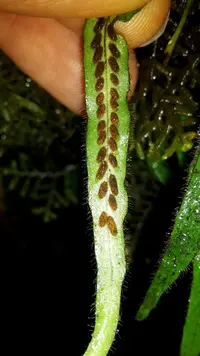
Like many polypod ferns, it bears its sporangia in sori that align along the veins on the underside of the fronds, forming distinct rows that aid in species identification when viewed with a hand lens.

FAQs about Pleocnemia irregularis

This fern is evergreen in consistently warm, humid conditions, holding fronds year-round. In cooler or very dry environments, older fronds may brown and be replaced gradually, but the root system stays alive and produces new growth when conditions improve.

Grow Healthy Plants with Botan Care

Keep your plants happy and healthy with plant identification, disease detection, and easy care guidance.

Botan plant care app — identify plants on mobile

Explore More Plants