camphor pluchea Care (Pluchea camphorata)

Also known as: Camphor-weed
camphor pluchea

About camphor pluchea

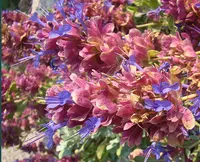
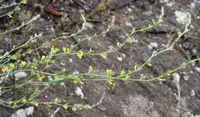
Camphor pluchea (Pluchea camphorata) is a moisture-loving perennial herb native to wetlands and marshy areas in eastern North America. It typically forms upright clumps with branching stems. Leaves are aromatic when crushed and often slightly toothed, while the plant carries clusters of small, fuzzy pink to purplish flower heads in late summer. It attracts pollinators and can appear somewhat informal or wild in garden settings. In cultivation, it prefers consistently moist soil, full sun to light shade, and space to spread. Gardeners who learn how to care for camphor pluchea usually find it manageable, provided that soil does not dry out for long periods.

Main Plant Requirements

Care Difficulty

Moderate Care

Light Preference

Full Sun

Water Requirements

Aquatic

Temperature Preference

Warm Climate

Hardiness Zone

6–10

Soil Texture

Loamy, Silty, Organic-rich

Soil pH

Acidic (5.5–6.5), Slightly acidic (6.5–7.0)

Soil Drainage

Waterlogged tolerant

Fertilization

Minimal (feed rarely)

Get Personalized Care Plan

Scan your plant to receive care tips personalized for your specific plant

Available on iOS and Android

How to Care for the camphor pluchea

This wetland perennial prefers consistent sun exposure but tolerates some shade in hot regions.

  • Provide 6–8 hours of direct sun daily, with morning sun and light afternoon shade ideal in areas with very hot summers.
  • Allow light or dappled shade for part of the day; dense shade leads to weak, leggy growth and fewer flowers on camphor pluchea.
  • In cooler seasons, choose a site with full southern exposure and avoid shading from taller plants or structures as the sun angle lowers.

This species favors evenly moist conditions, similar to its natural marsh and wet meadow habitats.

  • Keep soil consistently damp, letting only the top 1–2 cm surface lose shine between waterings rather than drying out fully.
  • Use soil that drains slowly but does not stay stagnant; prolonged pooling and a sour smell indicate waterlogging and possible root rot.
  • During hot, dry spells, increase watering when leaves droop or curl at midday, while in cool, rainy periods reduce added water to prevent oversaturation for Pluchea camphorata.

This plant grows best in warm, frost-free conditions typical of temperate to subtropical wetlands.

  • Aim for active growth in 70–86°F (21–30°C); flowering and foliage production are strongest in this range.
  • Protect from frost, as damage often occurs below 32°F (0°C); top growth may die back after light freezes, with roots harmed by harder freezes.
  • Tolerates short heat spikes up to about 95°F (35°C) if soil stays moist; in prolonged heat, maintain high soil moisture and avoid hot, reflective sites.

This species handles a wide humidity range but grows best with moderate ambient moisture.

  • Aim for 40–60% humidity, which is typical of many outdoor and well-ventilated indoor environments for camphor pluchea.
  • Dry indoor air below 30% can cause leaf edge browning and slower growth over time.
  • Increase humidity locally with grouped plants or a nearby shallow water tray with pebbles, rather than misting foliage directly.

Pluchea camphorata prefers moist, well-aerated soil that stays evenly damp but not waterlogged.

  • Use a loamy, organic-rich base mixed with 20–30% coarse sand or fine grit to improve drainage.
  • Aim for slightly acidic to neutral pH around 6.0–7.0, avoiding strongly alkaline blends that limit nutrient uptake.
  • Incorporate well-rotted compost for structure and moisture retention, but balance it with perlite to prevent compaction.
  • Avoid heavy clay or peat-only mixes that hold water for long periods and reduce oxygen around the roots.

This species can be grown in containers if the pot is set up to manage both moisture and stability.

  • Choose a deep, relatively wide pot to support its spreading root system and reduce tipping in wind-exposed spots.
  • Select a heavier material such as ceramic or thick plastic to stabilize tall stems in outdoor locations.
  • Elevate the container slightly on pot feet or bricks so drainage holes stay clear and excess water exits quickly.

This North American native typically needs minimal feeding, especially in reasonably fertile soil.

  • In poor or depleted soils, apply a light layer of compost in early spring to support new growth.
  • Where extra nutrients are needed, use a balanced NPK fertilizer at 1/2 strength every 4–6 weeks during the growing season.
  • Avoid fertilizing in late fall and winter, when growth of camphor pluchea naturally slows or stops.
  • Water before and after any fertilizer application to reduce root burn and help nutrients distribute evenly.

Thoughtful pruning keeps Pluchea camphorata vigorous and promotes denser, tidier growth.

  • Best time for structural pruning is late winter to early spring before strong new growth starts.
  • Use clean, sharp hand pruners to remove dead, diseased, or storm-damaged stems at their base.
  • Thin crowded shoots to improve air flow and light penetration, which can lower disease risk.
  • Lightly shorten tall, leggy stems after flowering to encourage branching and a more compact habit.

This species is usually grown in the ground, so transplanting is more relevant than container repotting.

  • Transplant in early spring or early fall when temperatures are mild and soil is workable.
  • Look for signs such as stunted growth, overcrowded clumps, or roots circling a pot if grown in containers.
  • Lift the plant carefully, keeping as much root ball intact as possible, and set it at the same soil depth in a new site.
  • Water thoroughly after transplanting, then keep soil evenly moist for 1–2 weeks to limit transplant shock.

Pluchea camphorata is most often propagated by seed under warm, bright conditions.

  • Sow fresh seeds in late winter to spring on the surface of a moist, well-drained seed-starting mix.
  • Provide 65–75°F temperatures and bright indirect light; do not bury seeds deeply, as light helps germination.
  • Keep the mix evenly moist but not waterlogged using a fine mist or bottom watering.
  • In suitable sites, allow some seed heads to mature and disperse for natural self-sowing.

This herbaceous perennial is reasonably cold hardy in its native range and usually needs little special winter care.

  • Plants die back to the ground after hard frosts, with roots surviving in USDA zones where it is hardy.
  • Apply a 5–8 cm layer of organic mulch around the root zone in late fall to moderate soil temperature.
  • Container-grown plants in colder regions can be moved to a sheltered, unheated but frost-free area.

Care Tips

Seasonal cutting back

After flowering, cut back spent stems to 10–15 cm above the soil to reduce lodging, encourage bushier regrowth, and limit unwanted self-seeding when growing camphor pluchea.

Targeted staking support

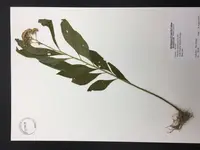
Install low ring supports or individual bamboo stakes early in the season around young clumps so tall, moisture-heavy stems stay upright and do not snap in wind or heavy rain.

Moisture-buffer mulching

Apply a 5–7 cm layer of plain organic mulch around but not touching the stems to buffer soil moisture, reduce weed competition, and keep the root zone cooler during hot spells.

Managed self-seeding

Remove most seed heads before they fully dry and disperse, leaving only a few on the healthiest plants if a controlled, naturalized colony is desired.

Observation for root spread

Check the outer edges of the planting area each spring and lift any unwanted volunteer seedlings or creeping roots so the stand does not gradually encroach on nearby plantings or paths.

Common Pests and Diseases

Leaf beetles

These insects chew irregular holes in leaves and can skeletonize foliage when populations are high. Symptoms include notched leaf margins and small clusters of beetles on stems and flower heads.

Solution

Hand-pick adults and larvae into soapy water, especially in early morning when they move slowly, and remove nearby weedy composites that harbor populations. If damage is heavy, use a targeted insecticide such as neem or pyrethrin, applied in the evening to limit impact on pollinators, and monitor foliage weekly during peak feeding periods.

Aphids

These insects feed on young stems and undersides of leaves, causing curling, distortion, and sticky honeydew that can attract sooty mold. This pest often clusters on tender shoot tips and flower buds, reducing vigor and bloom quality.

Solution

Spray stems and leaf undersides with a firm stream of water to dislodge colonies and repeat every few days as needed. For persistent infestations, apply insecticidal soap or horticultural oil, ensuring full coverage but treating during cooler parts of the day to avoid leaf burn, and encourage natural predators such as lady beetles by avoiding broad-spectrum chemicals.

Powdery mildew

This disease produces white, powdery patches on upper leaf surfaces, often starting on older foliage and spreading in humid, crowded stands. Symptoms include dull, distorted leaves and reduced photosynthesis, which can weaken plants late in the season.

Solution

Thin or divide dense patches to improve air circulation and avoid overhead watering late in the day. Remove and dispose of heavily infected leaves, and if needed apply a sulfur or potassium bicarbonate fungicide according to label directions at the first sign of infection, continuing at intervals during humid weather as part of broader Pluchea camphorata plant care.

Rust

This disease causes small yellow spots on upper leaf surfaces and orange to brown pustules on undersides. Symptoms include premature leaf drop and a general decline in plant vigor in wet, crowded conditions.

Solution

Remove and discard affected leaves promptly and avoid wetting foliage when irrigating. Increase spacing between plants, clear surrounding weed hosts, and if rust recurs, use a labeled copper or chlorothalonil fungicide early in the season, rotating products to reduce resistance risk.

Leaf spot complex

These diseases cause tan to dark brown spots with possible purple or darker margins on leaves, sometimes coalescing into larger dead patches. Symptoms include thinning foliage and an unsightly appearance, especially after prolonged wet or humid weather in dense, naturalized clumps.

Solution

Prune and dispose of heavily spotted leaves and plant debris to reduce inoculum, and maintain good airflow by avoiding overcrowding when growing camphor pluchea in moist sites. If spots progress rapidly, apply a broad-spectrum foliar fungicide labeled for ornamental herbaceous plants, timing applications before extended rainy periods when possible.

Interesting Facts

Camphor-like chemistry

This wetland aster family plant produces aromatic volatile oils that smell strongly of camphor when crushed, a trait reflected in both its common and scientific names.

Wetland specialist

It naturally occurs in freshwater and slightly brackish marshes, ditches, and wet meadows of the eastern and southeastern United States, where it tolerates periodic flooding and waterlogged soils.

Late-season nectar source

The plant flowers late in the growing season and offers nectar and pollen to butterflies and other insects at a time when many other native species have already finished blooming.

FAQs about camphor pluchea

Growth is moderate rather than truly fast. In suitable outdoor conditions it typically gains 30–60 cm per season. Rich soil, consistent moisture, and full sun exposure support growing camphor pluchea at its natural pace.

Grow Healthy Plants with Botan Care

Keep your plants happy and healthy with plant identification, disease detection, and easy care guidance.

Botan plant care app — identify plants on mobile

Explore More Plants