Wahlenberg's pohlia moss Care (Pohlia wahlenbergii)

Also known as: Wahlenberg's Nodding Moss, Pale Glaucous Thread-moss, pale nodding-cap moss
Wahlenberg's pohlia moss

About Wahlenberg's pohlia moss

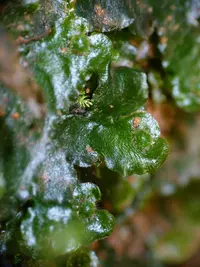
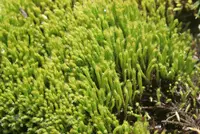
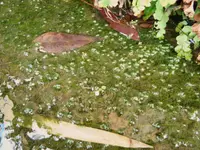
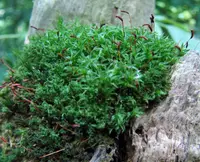
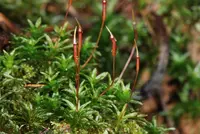
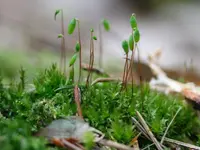
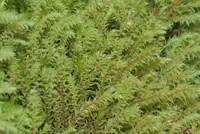
Wahlenberg's pohlia moss (Pohlia wahlenbergii) is a small, tuft-forming moss commonly found in cool, moist habitats such as stream banks, seeps, and wet rock surfaces. It forms soft, green carpets that can spread over soil, stone, or decaying wood, creating a fine, delicate texture.

This species often occurs in northern and montane regions, where humidity is high and water is consistently available. It is generally considered moderate in difficulty to grow, as it needs steady moisture, clean water, and stable conditions. For those who want to care for Wahlenberg's pohlia moss, it responds best to bright, indirect light, cool temperatures, and a mineral substrate that does not stay waterlogged.

Main Plant Requirements

Care Difficulty

Moderate Care

Light Preference

Partial Shade

Water Requirements

Keep Soil Moist

Temperature Preference

Cold Hardy

Hardiness Zone

3–8

Soil Texture

Loamy, Silty, Organic-rich

Soil pH

Acidic (5.5–6.5), Slightly acidic (6.5–7.0)

Soil Drainage

Moist but well-drained

Fertilization

Minimal (feed rarely)

Get Personalized Care Plan

Scan your plant to receive care tips personalized for your specific plant

Available on iOS and Android

How to Care for the Wahlenberg's pohlia moss

This moss prefers cool, soft light that mimics shaded stream banks or forest floors.

  • Provide 2–4 hours of gentle morning sun with bright, dappled or fully shaded light the rest of the day, avoiding strong midday exposure.
  • In open sites, use taller plants, rocks, or shade cloth to filter direct sun, since Wahlenberg's pohlia moss can scorch and dry out under intense summer light.
  • In winter, slightly higher light is acceptable when the sun is weaker, but in summer prioritize consistent shade, especially in warm, exposed locations.

Pohlia wahlenbergii thrives with consistently moist conditions but suffers from both drying out and stagnant water.

  • Keep the substrate evenly moist so the surface never dries completely; rewet as soon as the top layer looks dull, lighter in color, or feels barely damp to the touch.
  • Use soft, low-mineral water if possible, applying it gently from above or as a fine mist so the moss is soaked but not submerged for long periods.
  • Reduce watering frequency slightly in cooler seasons while still preventing drying; watch for pale, crispy tips as a sign of underwatering and slimy, brown patches as a sign of excess water.

This moss prefers cool to mild temperatures and copes better with cold than with heat.

  • Aim for an active growth range of 45–68°F (7–20°C), which matches its typical streamside and tundra-like habitats.
  • It tolerates brief drops to around 23°F (-5°C) under snow or leaf cover, but repeated freeze–thaw cycles without insulation can damage delicate shoots.
  • In hotter climates, keep it shaded and moist when temperatures approach 77–86°F (25–30°C), since prolonged heat combined with full sun can cause rapid desiccation and dieback.

This moss prefers consistently moist, cool air and reacts quickly to drying conditions.

  • Aim for 60–90% humidity, using a shaded, sheltered spot or terrarium-style cover to slow evaporation.
  • It tolerates brief drops to 40–50% but fronds dull, curl, or brown at the tips when air stays too dry.
  • Increase humidity with a loose cover, grouped plantings, and frequent fine misting rather than heavy, saturating sprays.

This moss grows best on moist, fine-textured, organic-rich substrates rather than standard potting mixes.

  • Use a shallow layer of sieved leaf mold, peat, or coir blended with fine sand for structure and stable moisture.
  • Aim for mildly acidic conditions around pH 5.0–6.5, avoiding lime or alkaline amendments that can suppress growth.
  • Keep the substrate evenly moist but never waterlogged; excess standing water quickly leads to stagnant, anaerobic conditions.
  • To improve aeration, spread the layer thin (0.5–1 cm) over rock, bark, or compacted soil so water can drain away.

This species can be grown in shallow containers or trays when moisture and drainage are carefully controlled.

  • Choose wide, shallow containers so the thin moss layer can spread while excess water drains quickly through the substrate.
  • Use a base layer of inert gravel or coarse sand under the moss substrate to prevent water from pooling at the bottom.
  • Place containers where they are protected from wind and direct sun so surface moisture does not evaporate faster than it can be replenished.

This moss has very low nutrient demand and usually grows well without added fertilizer in most setups.

Pruning needs for Pohlia wahlenbergii are minimal and focus on tidying rather than shaping.

  • Trim away dead, browned, or decaying patches with fine scissors to reduce mold and maintain an even carpet.
  • Lightly lift and remove overcrowded or lifting clumps to keep growth low and uniform.
  • Avoid cutting too deeply into healthy cushions to prevent bare patches and desiccation.
  • Use clean, sharp tools and avoid crushing the delicate stems and leaf clusters.

This moss is usually managed by transplanting small patches rather than true repotting.

  • Transplant when growth becomes patchy, lifts from the substrate, or when sections are needed to colonize new areas.
  • Choose cool, moist periods in spring or fall to shift Pohlia wahlenbergii between trays, stones, or shaded garden pockets.
  • Gently lift thin mats with a spatula, keeping the underlying substrate attached to reduce root and rhizoid disturbance.
  • Repress the moss onto fresh, moist, fine-textured substrate and shade lightly for several days to limit drying stress.

Pohlia wahlenbergii plant care often includes simple vegetative propagation to expand moss coverage.

  • Divide existing mats into small plugs or strips during cool, moist weather in spring or fall.
  • Press pieces firmly onto a clean, fine, consistently damp substrate such as sand or loam.
  • Maintain high ambient humidity and gentle, indirect light to encourage new rhizoid anchoring and shoot growth.
  • Avoid covering fragments with thick soil; a very thin dusting of fine material is enough to stabilize them.

This moss is generally cold hardy and requires little dedicated winter care in temperate climates.

  • In outdoor plantings, light natural leaf litter can act as a loose mulch without smothering the moss.
  • For shallow containers, ensure drainage remains open so freeze–thaw cycles do not heave mats away from the substrate.
  • Indoor trays benefit from cool conditions, slightly reduced watering, and bright but indirect light during winter.

Care Tips

Substrate layering

Create a 1–2 cm base layer of inert, washed sand or fine grit under the moss to keep rhizoids aerated and reduce the risk of anaerobic decay in constantly moist setups.

Water quality control

Use collected rainwater or filtered, low-mineral water and periodically flush the substrate to prevent salt accumulation that can inhibit protonema and new shoot formation.

Cool rest period

Provide a cooler phase at 40–50°F for 4–8 weeks each year, especially for outdoor or fridge-propagated cultures, to mimic natural snow cover conditions and promote denser regrowth afterward.

Shallow tray culture

Grow colonies in wide, shallow trays with a thin substrate layer so moisture levels are easier to manage and harvesting or relocating intact mats causes minimal disturbance.

Fragment-based propagation

Gently crumble small patches into 2–5 mm fragments and press them onto fresh, moist substrate to rapidly colonize new areas when growing Wahlenberg's pohlia moss.

Common Pests and Diseases

Green algae overgrowth

This disease appears as bright green, slimy films that spread over moss cushions in very wet, nutrient-enriched water. Symptoms include thinning of the moss and patches being shaded and smothered by the algal layer.

Solution

Reduce dissolved nutrients by avoiding fertilizer and using low-mineral, clean water, then increase gentle water movement or drainage so the surface does not stay stagnant. Manually rinse or gently brush off algae from the moss surface and, in containers, shorten the water level or tilt the vessel so only the moss base stays moist but the foliage is not submerged.

Fungal damping-off

This disease causes newly colonizing or regenerating shoots to collapse, turn brown, and decay at the base, especially in constantly saturated, airless conditions. Symptoms include a grayish or whitish fungal growth at the interface between moss and substrate.

Solution

Improve air movement and reduce constant surface saturation by allowing short drying periods at the top layer while keeping the substrate just moist. Remove and discard affected patches, replace any poorly draining substrate with cleaner, more open material such as sand and fine gravel, and, in valuable collections, use a dilute biofungicide labeled for moss or bryophyte displays.

Springtails

These insects are tiny, pale to dark jumping arthropods that thrive in constantly moist substrates and can graze on very fine new moss tissue when populations are high. This pest is often seen scattering when the moss surface is disturbed or watered.

Solution

Lower excessive moisture slightly so the surface is damp rather than saturated, and remove accumulations of decaying organic matter that feed the population. If needed, repeatedly flood-rinse the moss with clean, cool water to dislodge springtails, and use yellow sticky traps around containers to monitor and gradually reduce numbers without harming the moss.

Moss mites

These insects are actually tiny arachnids that feed on moss tissues and microbial growth, leading to patchy thinning, uneven texture, and slow dieback of cushions. Symptoms include finely nibbled leaf tips and a dusty, granular look to affected areas.

Solution

Increase humidity slightly but avoid stagnant, still air, and rinse the moss surface under a gentle stream of water to wash away mites. For persistent infestations in controlled displays, apply a targeted, low-toxicity miticide safe for bryophyte habitats, and isolate heavily affected trays or stones to prevent spread while focusing on careful Pohlia wahlenbergii care instructions such as stable moisture and clean water.

Interesting Facts

Cold-adapted alpine moss

This species is characteristic of cold, high-elevation and subarctic regions, where it grows on moist mineral soils, stream margins, and snowbed habitats that experience long winters and short, cool summers.

Pioneer on disturbed ground

It often colonizes freshly exposed or disturbed substrates such as glacial till, eroding banks, and silty stream edges, helping to stabilize the surface and trap fine sediments for later plant colonizers.

Distinctive reddish sporophytes

Its slender sporophytes, which are the spore-bearing structures, typically develop reddish to brownish setae (stalks) and small capsules that stand out against the green gametophyte cushions, aiding field identification in alpine habitats.

FAQs about Wahlenberg's pohlia moss

This moss forms low, patchy carpets and spreads slowly by spores and short stems. It rarely becomes aggressive in gardens or terrariums and is usually easy to confine by physically trimming edges or interrupting moisture where spread is unwanted.

Grow Healthy Plants with Botan Care

Keep your plants happy and healthy with plant identification, disease detection, and easy care guidance.

Botan plant care app — identify plants on mobile

Explore More Plants